A WEEKEND GUIDE TO TOULOUSE, THE PINK CITY
Toulouse smells like the South itself — warm chocolatines fresh from the boulangerie, glasses clinking on café terraces, a plate of the region’s finest mountain cheeses on the side, rugby crowds turning the whole city electric on match days, and long sunny evenings on the quays where everyone talks about everything and nothing at all. You need to see it to understand it. And you should, because Toulouse may be France’s most overlooked major city — and that’s exactly what makes it so compelling.
Lively, soulful, and elegant, the capital of Occitanie is known as La Ville Rose for the warm pink brick that defines its architecture, a hallmark of the region. It shows its best face at golden hour, when shades of rose, terracotta, and burnt orange wash over the Garonne. The Old Town is discovered easily on foot, past elegant hôtels particuliers, UNESCO-listed churches, and streets full of character. And everywhere, the city speaks through its flavors: produce straight from the market stalls, regional wines that locals swear by, cheeses carried down from the nearby Pyrénées, and the delicate sweetness of Toulouse’s signature violet candies — a culinary scene as generous as it is deeply rooted.
I got to know Toulouse so much better — and so much deeper — since my family recently moved to the area. So here’s how to spend the perfect weekend in one of my favorite French cities.
TOULOUSE OVERVIEW
WHERE | Toulouse, France
GETTING THERE | international & domestic airport, bus, train
GETTING AROUND | Walk, Bus, Tramway, Metro, Bus, Train, Bike & Car rental
TOP THINGS TO SEE | Basilique Saint-Sernin, Couvent des Jacobins, Old town, Hôtels Particuliers, Art museums, Gardens, Canal du Midi, Quai de la Daurade, Cité de l’Espace
WHAT TO EAT | Cassoulet, Toulouse Sausage, Duck Magret, Goat cheese, Roquefort, Cahors & Gaillac wines, Violette de Toulouse
BEST TIME TO VISIT | April to October
CURRENCY | Euros €
SATURDAY | THE HIGHLIGHTS OF TOULOUSE
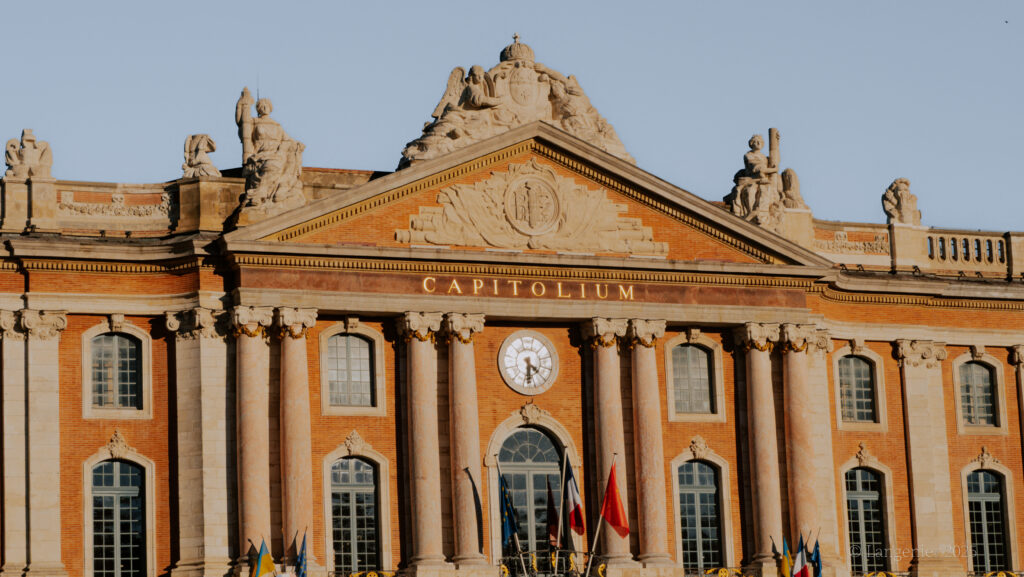
Start at Place du Capitole. This iconic square is home to the Théâtre du Capitole, one of France’s most prestigious opera (I highly recommend seeing a ballet or an opera there). It’s also where locals gather, by rain or shine, to enjoy a coffee or a drink at one of the many terrace cafés lining the square.
From here, head south into the Vieux Quartier (Old Quarter), which will lead you to some of Toulouse’s most famous sights.
Spiritual heritage of Toulouse : Basilique & Covent
One highlight is the Basilique Saint-Sernin, named after Saint Saturnin, the first bishop of Toulouse & a Martyr. Its foundations date back to the 5th century, though the current structure was completed in the 11th century and it’s the largest Romanesque church in France, recognised by the UNESCO & a key stop on the Camino de Santiago pilgrimage. Inside, you’ll find an impressive nave with a 21-meter-high vault and medieval paintings dating from 1180 — painted over in the 17th century and only rediscovered 50 years ago. Entry is free.
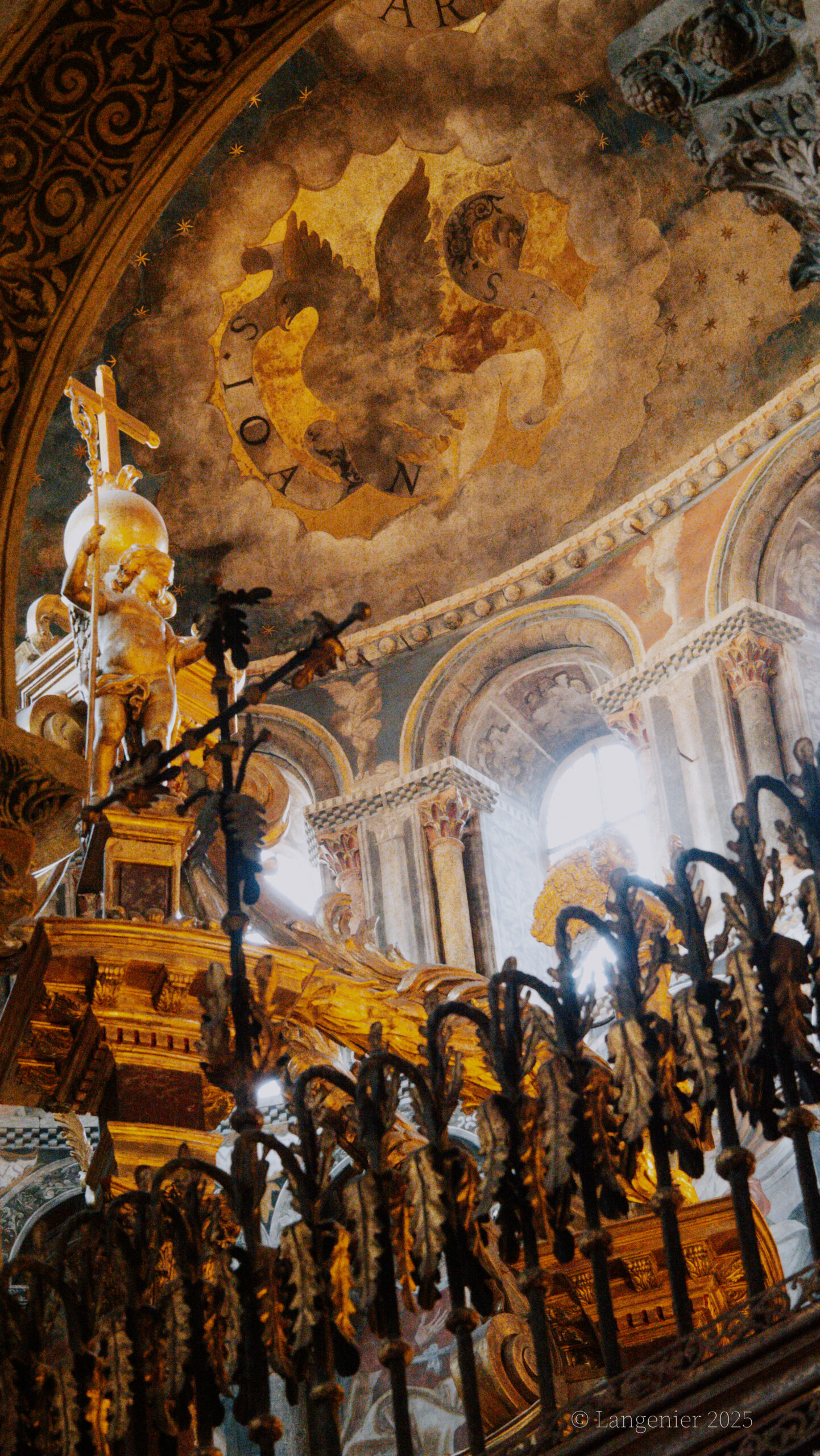
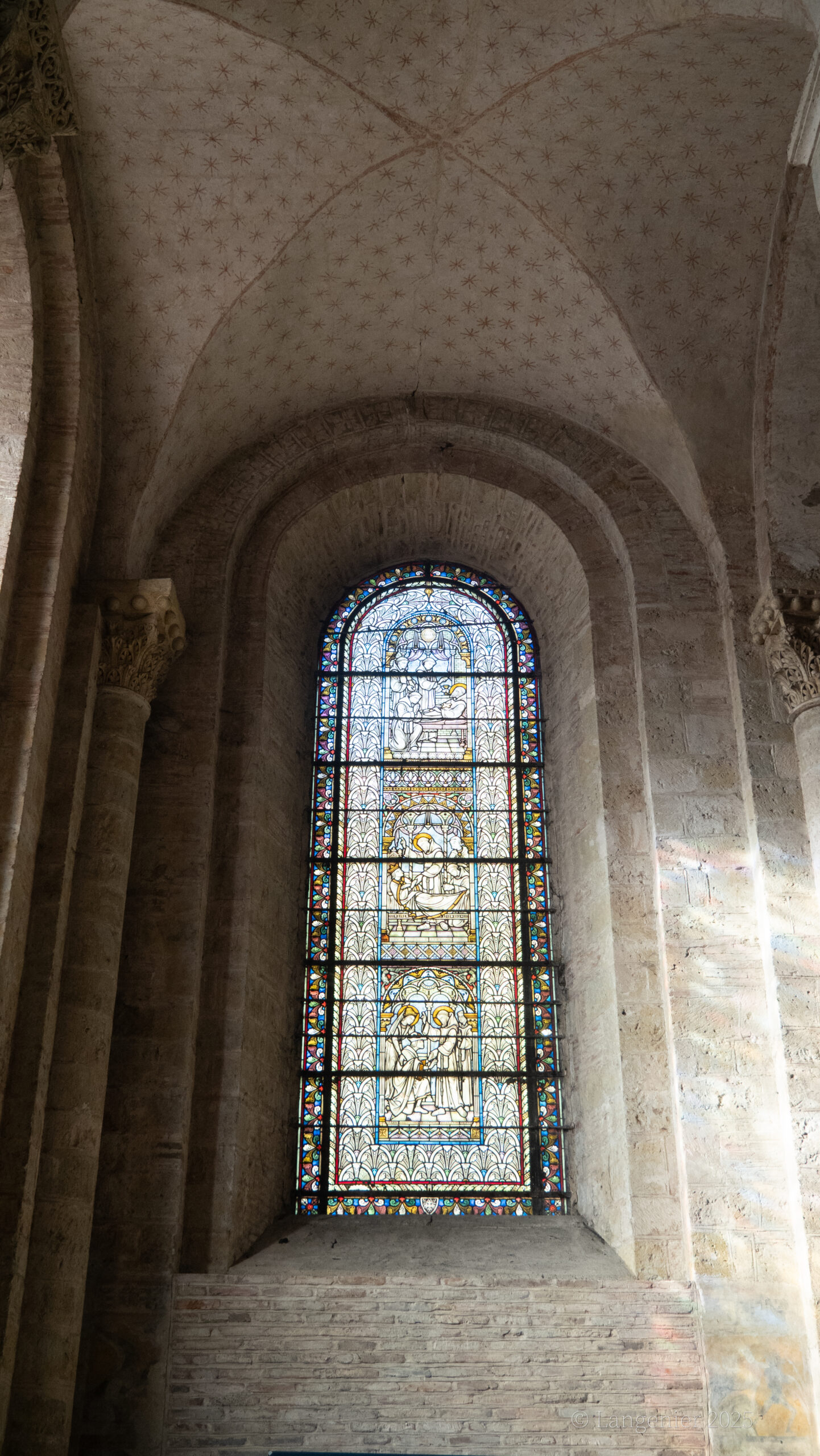
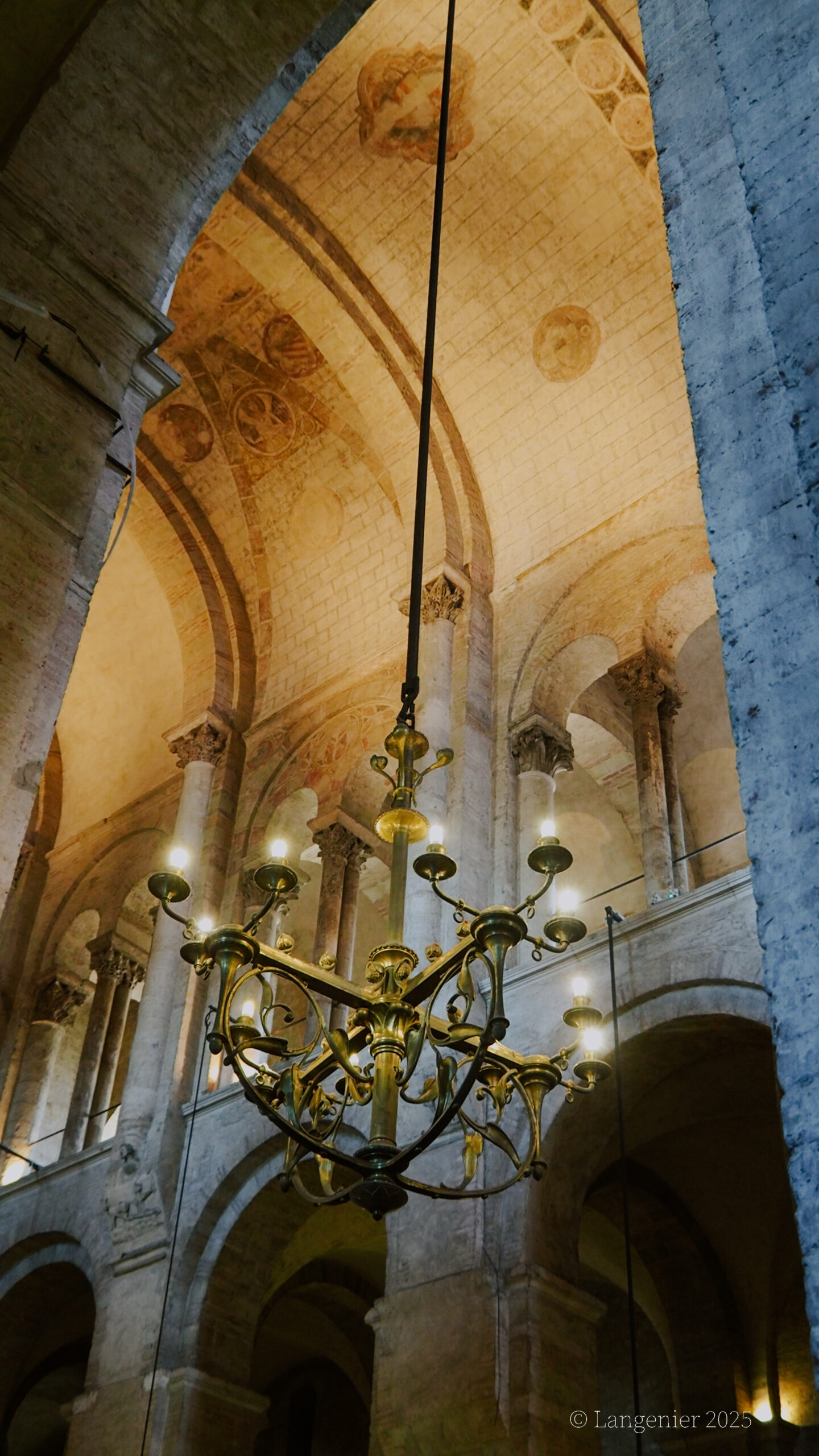
The Basilique Saint Sernin has undoubtely one of the most beautiful inside & outside of Toulouse
Another must-visit religious site is the Couvent des Jacobins, founded in the 13th century by the Dominican order. While its exterior is austere, the interior is bathed in light, and the colorful stained glass casts stunning reflections on the vaulted ceilings. Don’t miss the cloister, a peaceful oasis of greenery and calm in the heart of the bustling city. Admission is €5 (reduced €3), with free entry on the first Sunday of each month.
Toulouse is a gourmet city, with plenty of options to enjoy the flavours of the South-West.For a quick lunch on the go, head to Le Détaillant, known for serving the best sandwiches in Toulouse with French and Iberian inspirations. Try the classic jambon-beurre with cornichons, made with local ingredients, or go for a more indulgent option like magret de canard séché. For a Franco-Asian twist, check out Mado. Here, you can enjoy seasonal dishes influenced by both Asian and Mediterranean cuisines, perfect for sharing — or not!
Old town & hôtels particuliers
In the afternoon, wander through the streets of Toulouse to discover its hôtels particuliers. The city boasts over 50 of these grand private mansions built during the 16th and 17th centuries. Among the finest is the Hôtel d’Assézat, home to the Fondation Bemberg, which houses an impressive art collection. You can also explore the courtyard for free to get a glimpse of the building’s opulence. As well, spot the Hôtel de Bernuy, once the residence of a wealthy Spanish merchant who made his fortune trading pastel (a plant used to produce blue pigment). Today, the mansion serves as a school, but its architectural splendor is still remarkable.
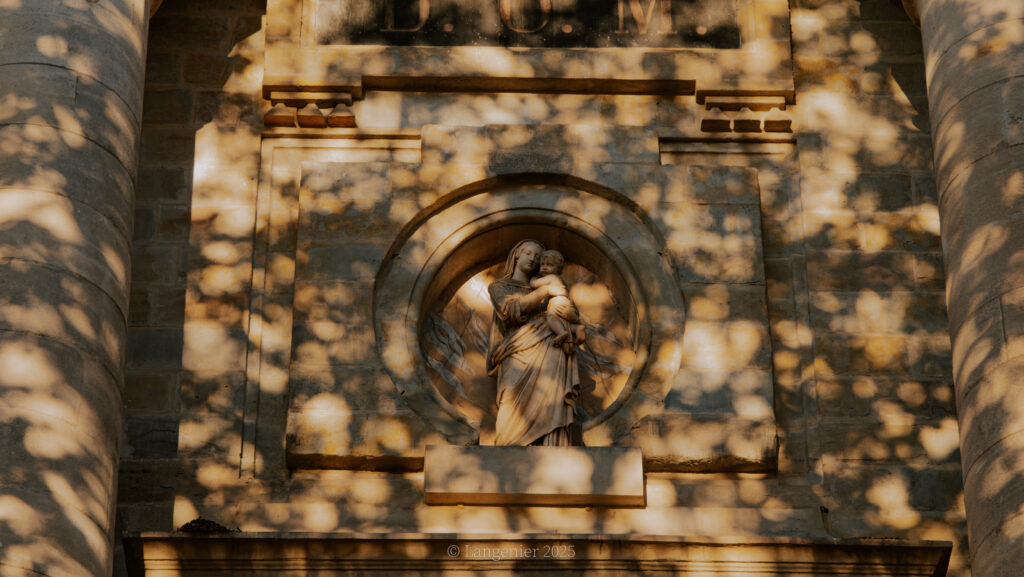
Rugby passion at the Stadium
In the evening, if you’re visiting Toulouse on a weekend and want to experience the city’s vibrant energy, head to Stade Toulousain. The city takes great pride in its rugby team, which has won multiple European Cups over its prestigious history. The season usually starts in September and ends at the beginning of June, and the atmosphere at the stadium is electric & unforgettable.
SUNDAY | ANOTHER FACE OF TOULOUSE
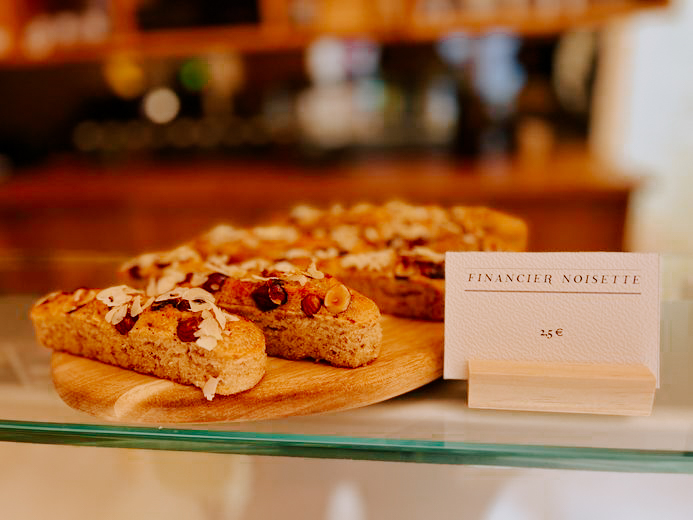
There’s no better way to start a Sunday than with a brunch. Some of my personal favourites in Toulouse include Café FIKA, a charming Swedish-French tea room serving brunch and coffee. Here, you’ll find buttery croissants, cinnamon rolls, and traditional Swedish toasts. For those a bit of sweetness, don’t miss Des Sens Pâtisserie, run by a talented pastry chef offering cakes and pastries packed with bold flavours but never overly sweet.
Art Museums, Gardens & Covered Markets
Art lovers will enjoy a visit to the Musée des Augustins, housed in a former Augustinian monastery with a serene 14th century cloister. The collection spans from the Roman era through to the early 20th century. Highlights include the French rooms with Delacroix, Ingres, and Courbet, as well as 20th-century works by Toulouse-Lautrec and Monet. Closed until December 2025.
If you’re looking for some greens, Toulouse offers plenty of peaceful green spaces like the Japanese Garden, the Jardin Royal, and the Jardin des Plantes. You can also take a stroll along the Garonne River, or explore the Canal du Midi, along the Canal de Brienne, by walk, bike, or boat.
Sunday is also market day. The most famous one is the Victor Hugo Covered Market, open from 7h to 14h. It offers an endless selection of fresh, local produce. You can grab a quick bite at one of the market’s barrels, but the real charm lies upstairs: restaurants on the first floor showcase the products sold below.
Gazing at the stars : Cité de l’Espace
In the afternoon, head to La Cité de l’Espace. Located on the outskirts of the city (bus 15 will take you there), this museum explores Toulouse’s rich aeronautical history, which began during World War I when the city served as a hub for mail flights. Since then, Toulouse has become the heart of France’s aerospace industry. The museum makes this fascinating world accessible to all, with exhibitions designed for both children and adults, a planetarium, a space shuttle simulator, and an observatory. Don’t miss the chance to admire the Ariane 5 space rocket, towering 53 meters high. Entry fee 29€.
For dinner, treat yourself to a seasonal fine-dining experience at Hortus, a Michelin-starred restaurant. The menu features 5- or 7-course tasting menus inspired by the south of France — from the Basque country, to the Provençal South. The cuisine is sustainable and highlights local, seasonal ingredients, including both well-known and forgotten regional specialties.
The best sunset in Toulouse : Quai de la Daurade
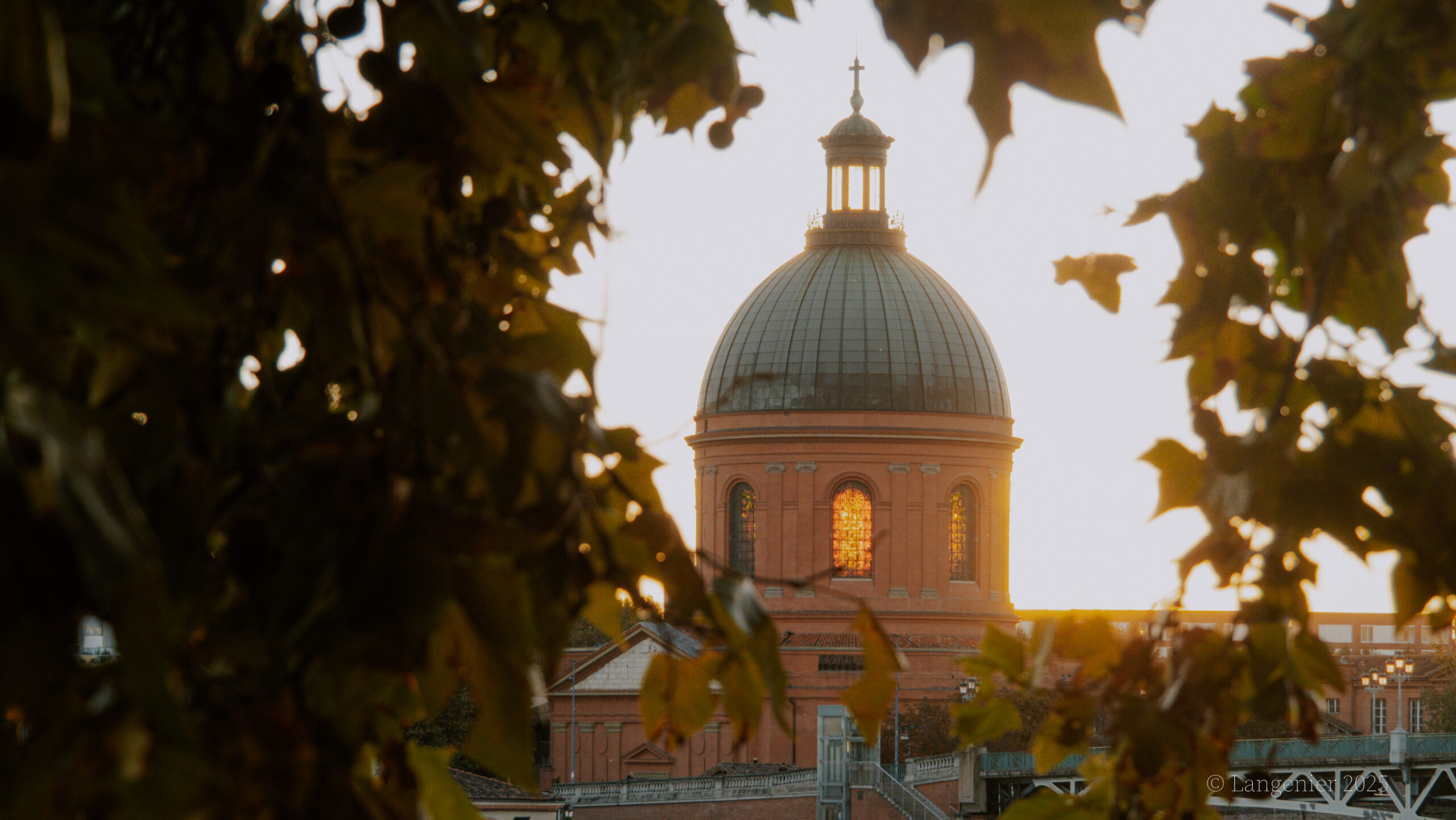
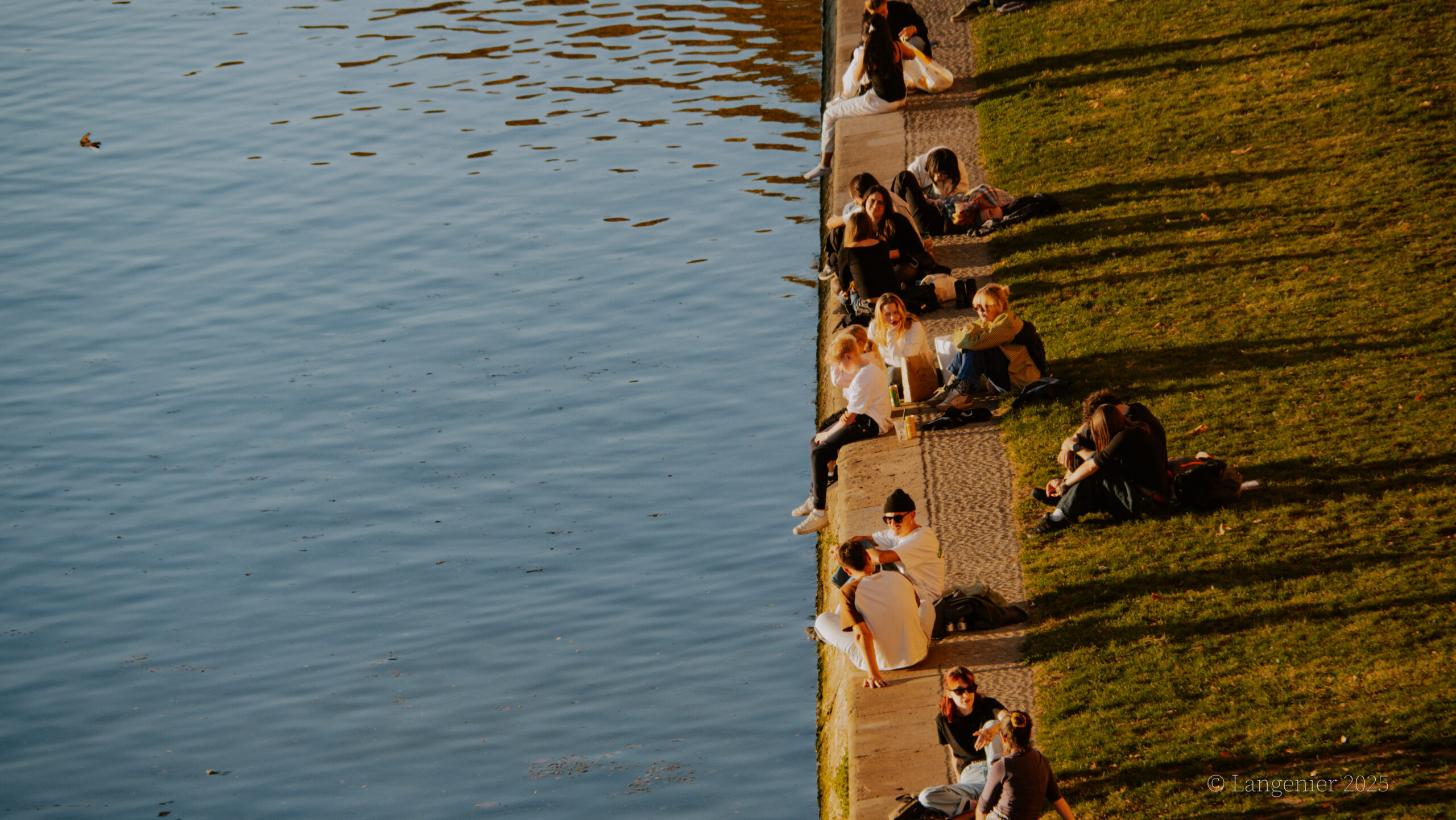
After dinner (or before depending the season), take the opportunity to stroll along the Quai de la Daurade. This is where ‘toulousains’ gather to meet friends, listen to live music, enjoy the last rays of the sun, and watch the sunset behind the city’s iconic landmarks, such as L’Hospice de la Grave.
2 Comments