HOW TO SPEND THE PERFECT 48 HOURS IN FREIBURG
It was pure chance that led me to discover Freiburg im Breisgau. I was coming from Basel, in Switzerland, and needed to make my way to Bavaria using the now-famous Deutschlandticket – yes, that was going to take a while. But faced with a limited choice of reasonably priced places to stay around Basel, I was advised to break up the journey and spend the night in Freiburg instead. What a lovely surprise that turned out to be !
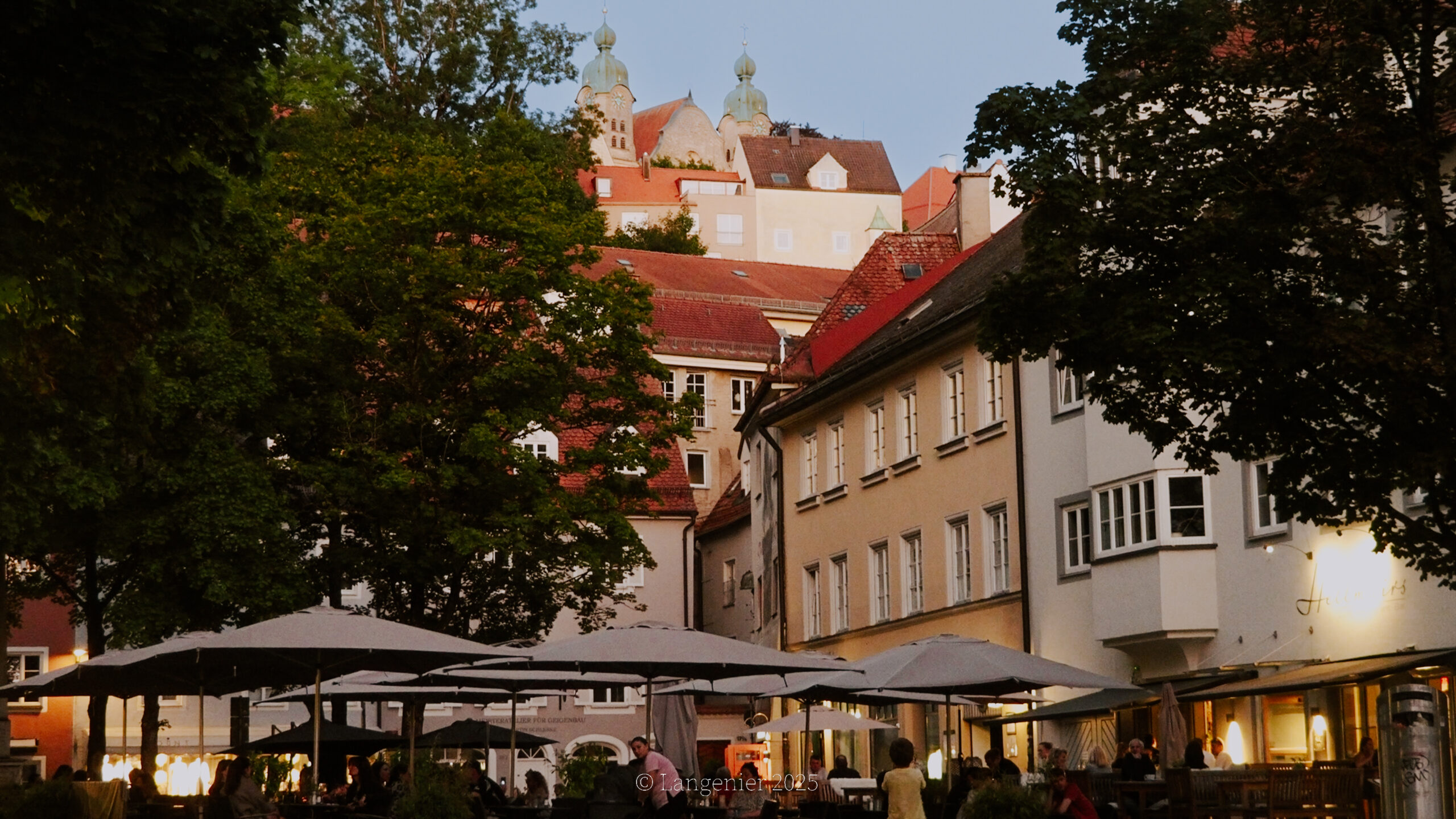
Nestled at the foot of the wooded hills and vineyards of the Black Forest, Freiburg — whose name literally means “free city” — is the sunniest city in Germany, a charming place made for wandering. With its cobbled lanes lined with half-timbered houses, colourful gabled façades, lively cafés & majestic cathedral, Freiburg charmed me with its medieval streets and its gentle German way of life — a vast pedestrian centre, countless cycle paths, and greenery running into the heart of the city. It’s the perfect springboard for exploring the Black Forest, and an ideal weekend getaway: a plunge into an authentic Germany that has a way of changing how you see the country altogether.
I’ve since had the chance to return twice. Two sun-drenched days spent drifting through its picturesque lanes, cooling off in its little open-air rivulets — the famous Bächle — and sampling the produce of its centuries-old market, set up in the shadow of the cathedral.
So if you’re setting down your bags in Freiburg im Breisgau for a weekend, here’s how to make the most of 48 hours in the city.
FREIBURG-IM-BREISGAU OVERVIEW
WHERE | Freiburg, Baden-Württemberg, Germany
GETTING THERE | Train, bus, international & domestic airport
GETTING AROUND | Walk, Bus, Tramway, Bike rental
TOP THINGS TO SEE | Freiburg Münster, Münsterplatz, Alstadt, Schwabentor, Schlossberg, Freiburg Bächle
WHAT TO EAT | Lange Rote (grilled sausages), Flädlesuppe (mushroom soup), Maultäschle in Zwiebelschmelze (mushroom raviole), Spätzle (pasta), Schwarzwälder Kirschtorte (black forest cake)
BEST TIME TO VISIT | Maultaschen, Flammkuchen, Back Forest Cake, Lange Rote, Pretzels, Pinot Noir & Riesling
CURRENCY | Euros €
GETTING TO FREIBURG
- By plane: the closest airport, EuroAirport, shares its terminals between three European cities: Basel (Switzerland), Mulhouse (France), and Freiburg (Germany). It is 71 km south from there, and you can use the airport bus to get there (an hour ride).
- By train: frequent departures from Basel to Freiburg Hauptbahnhof in 1h30 (you can use the Deutschlandticket), Stuttgart, or Munich.
- By bus: domestic and international buses connect to Freiburg bus station, located next to the train station.
GETTING AROUND FREIBURG
The city is served by an excellent tram and bus network that connects all major attractions in the city center and runs very frequently. To get around, you can use a single ticket (Einzelfahrt), a day pass (Tageskarte), or the WelcomeKarte, which includes unlimited public transport and discounts on major attractions. In 2026, the WelcomeKarte costs €27 for +14y, is valid for 3 days, and can be used in Freiburg and the surrounding region.
Freiburg also has an extensive network of bike paths, making it a great way to explore the city from a different perspective, especially as the terrain is mostly flat. You can either rent a bike through your accommodation or use the Frelo mobile app, the city’s red bike-sharing system, which you’ll find all around Freiburg. Registration only takes a few minutes, and it’s a fun and convenient way to discover the city.
WHAT TO SEE & DO IN FREIBURG-AM-BREISGAU
Day One : Freiburger Münster, Augustinermuseum, Altes Rathaus
Start at Schwabentor gate, an ancient defensive structure from the 13th century onwards and displays a mural of St. George, patron saint of the city, slaying the dragon
Fribourg’s streets are dotted with charming cafés where you can stop for breakfast. My favorite place is Origin Coffee Stories, which has super friendly staff and a lovely outdoor terrace where you can enjoy sunny days.
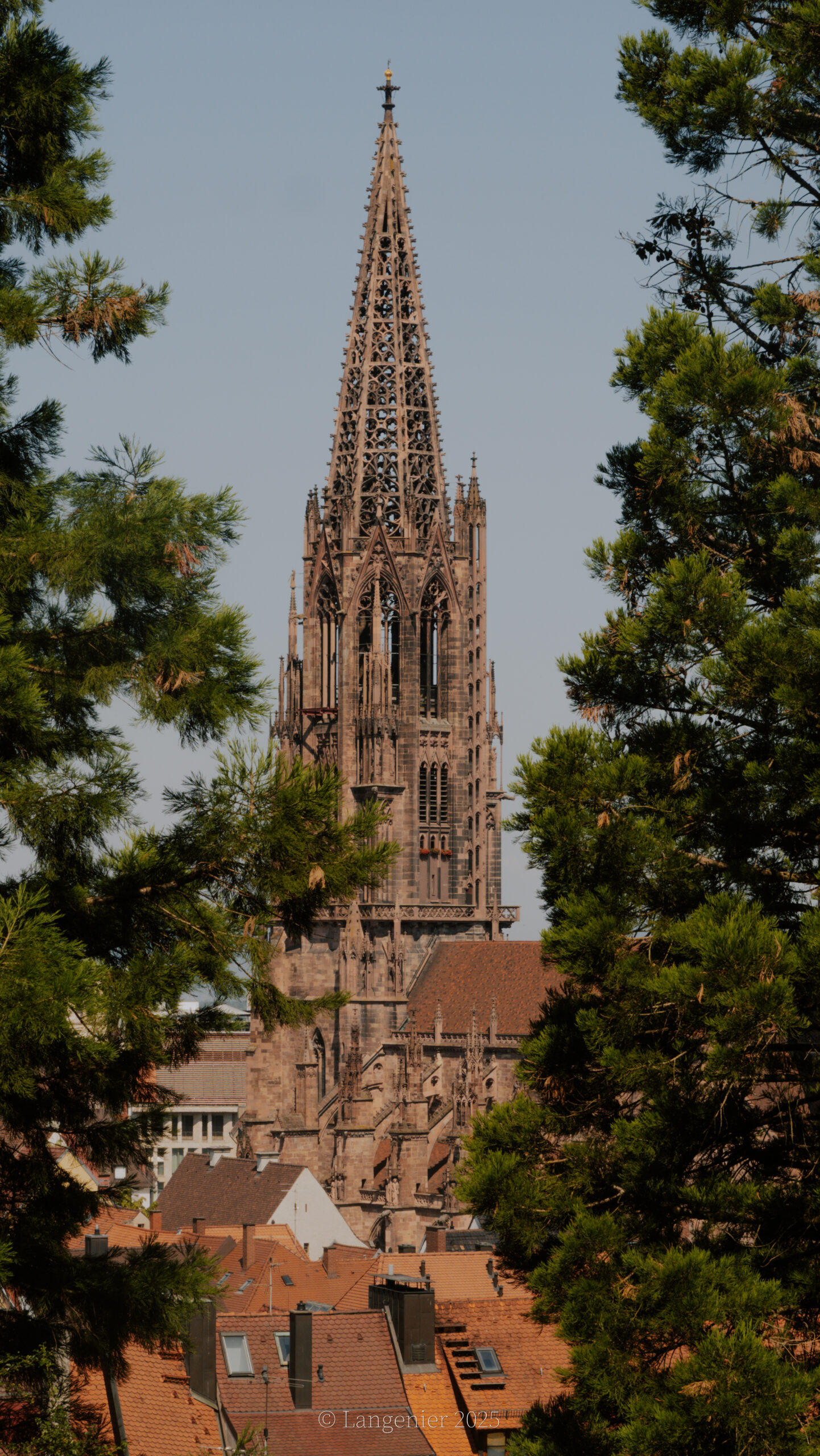
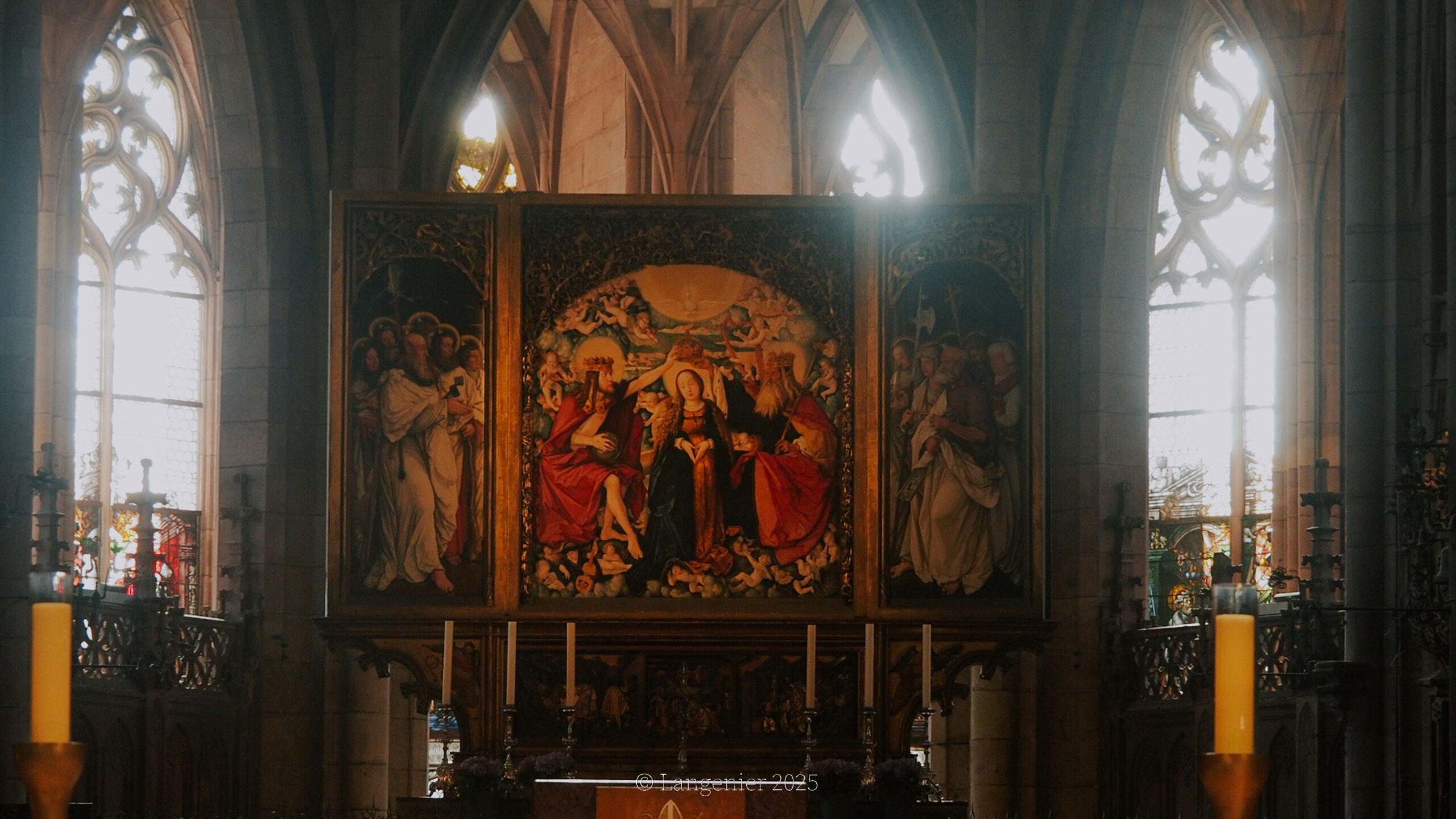
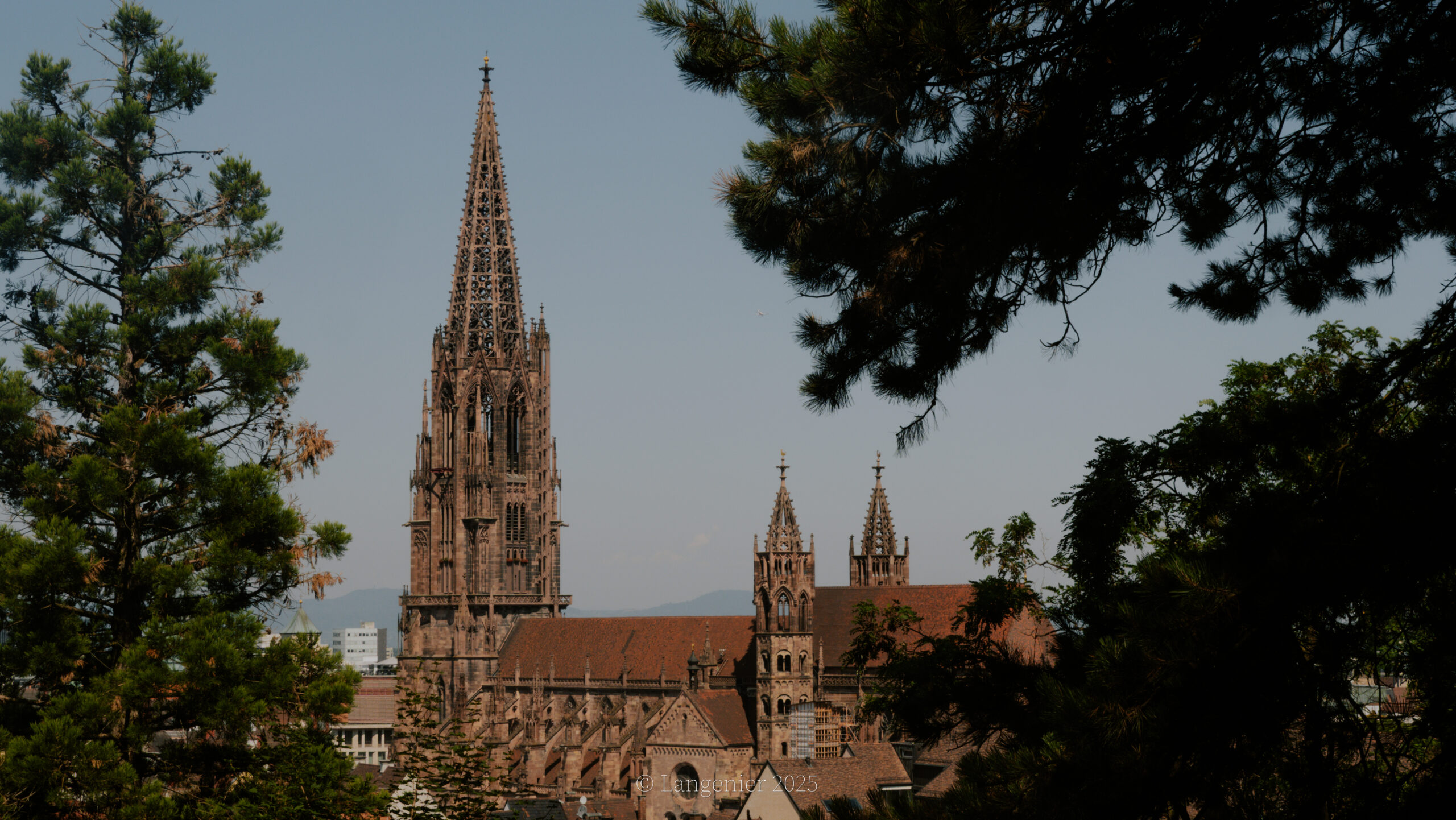
The head to the Freiburger Münster. With its finely carved spires, expressive gargoyles and richly decorated portal, Freiburg Cathedral has watched over the market square (Münsterplatz) for nearly a thousand years and embodies all the beauty of German Gothic architecture. Its main tower, topped by a 116-meter-high stone spire, is considered one of the most graceful in Europe. Inside, light streams through sumptuous stained-glass windows, once financed by medieval guilds. Your gaze is then drawn to the high altar, adorned with a triptych painted by Hans Baldung Grien, a pupil of Albrecht Dürer.
As you may have noticed, Münsterplatz is very lively during the day (except Sundays). It is the commercial heart of the city, where merchants have been setting up shop for centuries in the shadow of the imposing cathedral to sell local products: fruit, vegetables, flowers, cheese, bread, and Black Forest specialties. This is where you can try Freiburg sausages : the Lange Rote, a long grilled sausage served in bread.
Be sure to see the Kaufhaus, a former market hall from the early 16th century, with its red brick arcades and facade decorated with statues of German emperors.
In the afternoon, dip into the past at the Augustinermuseum, which displays major masterpieces from various periods, ranging from the Middle Ages to the 19th century, housed in a modernized monastery.
Then join locals relaxing in a cafe by the fountain in Rathausplatz, Freiburg’s prettiest square. The prettiest building, the Altes Rathaus (old town hall), houses the tourist office where you can pick up some information (and they also sell souvenirs and specialties from the region).
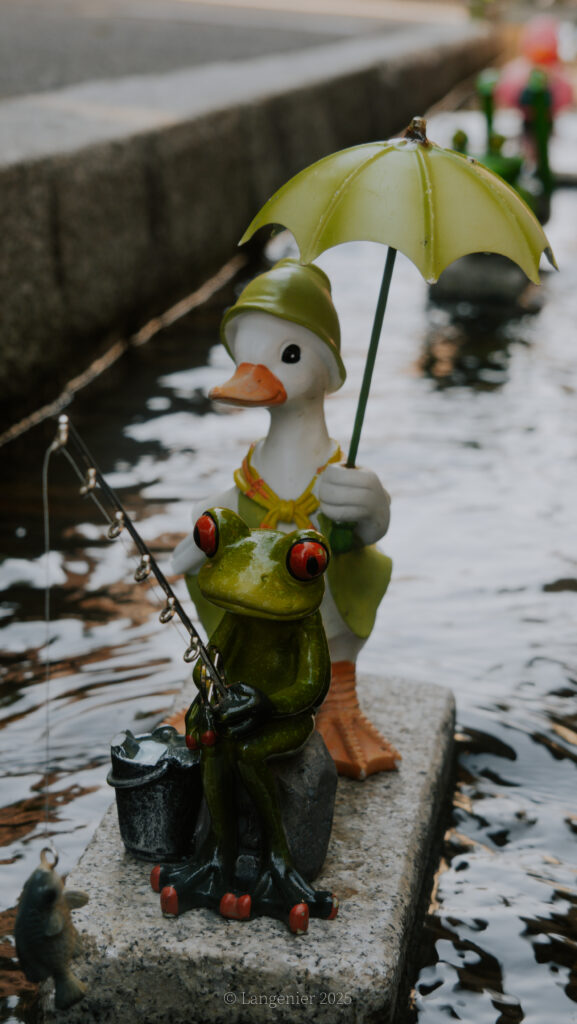
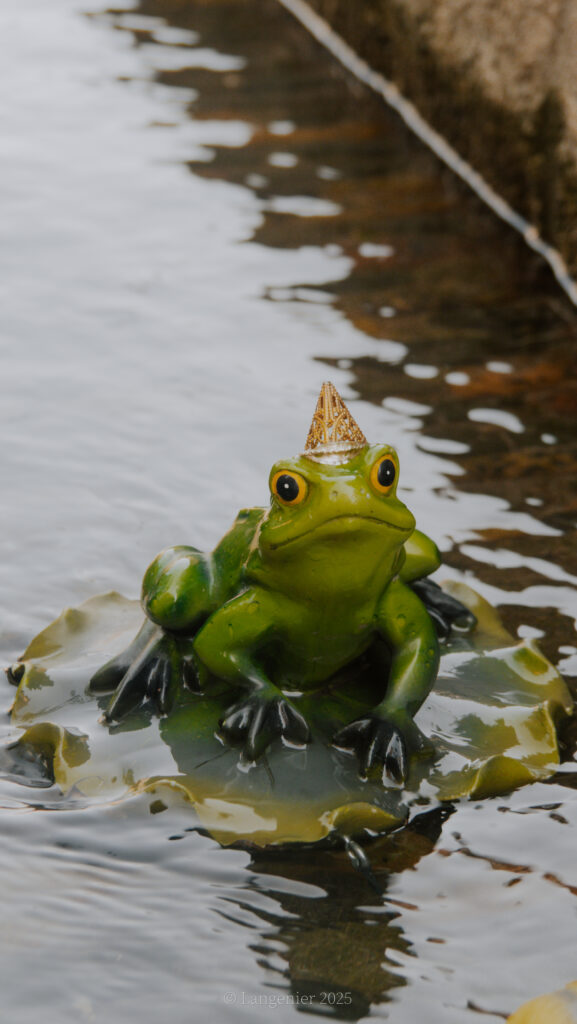
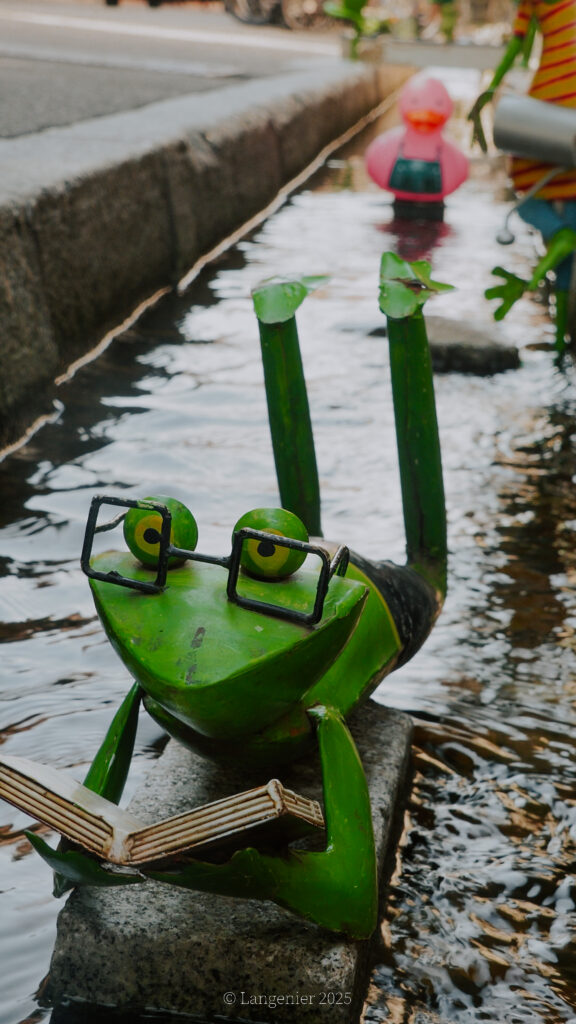
As you wander around, you might see people of all ages cooling their feet in the gurgling Bächle, streamlets once used to water livestock and extinguish fires. Today they provide welcome relief for hot feet on warm summer days. Some shop fronts have even decorated these streamlets to give them an original look.
On the early evening, head to one of the many bars where locals, students, and tourists gather. For a beautiful view over the red roofs of the city as they take on the colors of the setting sun, try SKAJO, which is very busy but quite pleasant with live music. For a high-end experience in a subdued setting, head to Hemingway Bar, one of the best cocktail bars in Germany.
Day Two : Schlossberg, Konviktstraße, Klein Venedig
Start the day with a coffee in one of the many coffee shops in the historic center, then climb up to the Schlossberg viewpoint. This belvedere offers a superb panorama of Freiburg: the red roofs of the old town, the green hills of the Black Forest and, on a clear day, the blue silhouettes of the Vosges mountains on the other side of the French border.
The climb is pleasant: take the path that starts opposite the Schwabentor gate, winding through a forest bathed in light, or opt for the Schlossbergbahn funicular. This site is also the starting point for many hikes to the surrounding villages, perfect for a day trip.
For lunch, there are two great options: Greiffenegg Schlössle – A restaurant perched on the hill, with breathtaking views of the city and the region. Here you can enjoy traditional Baden cuisine prepared with passion, and in summer, its beer garden is one of the most popular in Freiburg. Or the Markthalle, a renovated former market hall where you’ll find a variety of food stalls. Here you can sample regional specialties, such as excellent flammekueche, accompanied by a local beer.
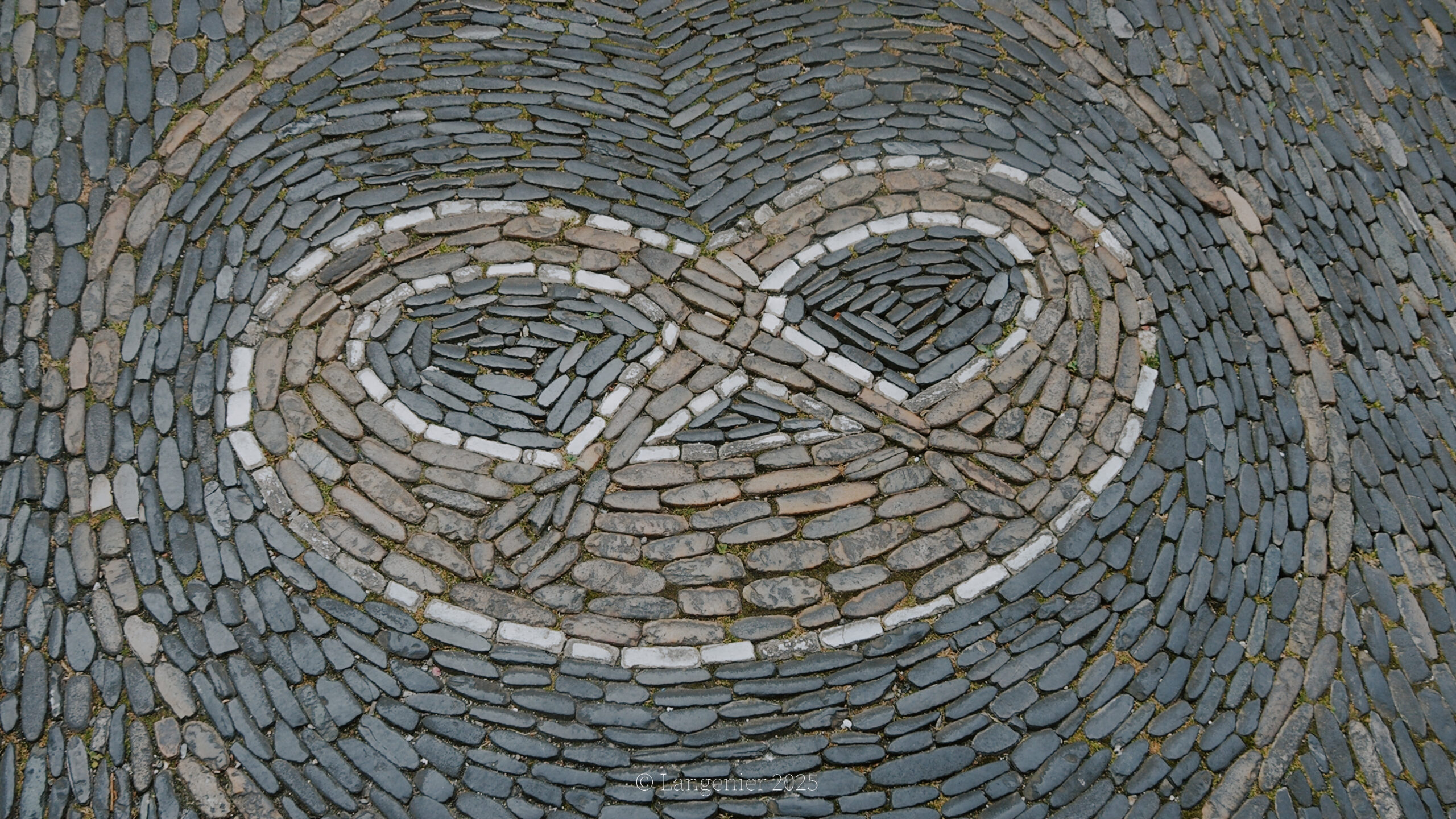
As you return to the city center, you may notice small motifs embedded in the cobblestone streets of Freiburg—in the shape of pretzels, fish, or other symbols. These decorations date back to the Middle Ages and were once used as signs to indicate the type of business, so that even passersby who could not read could find their way around. For example, a pretzel marked the presence of a bakery, while a fish indicated a fishmonger’s.
Continue your afternoon stroll in the bucolic Konviktstraße district, known for its antique dealers, booksellers, artisans, and pretty shops with colorful facades. Then head to Klein Venedig (“Little Venice”), a picturesque neighborhood crisscrossed by canals. Opposite Café Krokodil (which serves excellent espresso), spot the animal of the same name in the canal.
For your last evening in Freiburg, settle into a Weinstube (wine tavern) and indulge in the wines of Baden-Württemberg, particularly Spätburgunder, the region’s iconic Pinot Noir.
I recommend Weber’s Weinstube, renowned for its refined Baden tapas, such as beef marinated in horseradish or potato salad with truffle oil. Another great address is Hawara, a Michelin-starred restaurant where the cuisine is both creative and responsible. The chef offers a seasonal menu that showcases regional produce. Signature dishes include smoked catfish served with organic potatoes and physalis, and a reimagined Belle-Hélène pear dessert served with roasted potato skin ice cream.
![THE BEST BOUTIQUE HOTEL IN SEVILLE [2026]](https://langenier.com/wp-content/uploads/2025/10/Best-Boutique-Hotel-Seville-langenier.com-travel-blog-Puerta-Catedral-Apartments-4.jpg)