7+ DAY-TRIPS FROM MARSEILLE YOU’RE GOING TO LOVE
So, you’re in Marseille. Maybe for a long weekend, maybe for a full week, or maybe you’ve decided to settle in for a month and really settled into the city’s rhythm. Either way, by now you’ve probably wandered the length of the Vieux-Port more than once, gotten pleasantly lost in the narrow streets of Le Panier, eaten your way through more restaurants than you meant to, and perhaps even signed up for a soap-making workshop to bring a little piece of Marseille’s savoir-faire home with you. You’ve done the city. You’ve fallen for its slightly rough charm. And now, inevitably, comes the question everyone reaches at some point: where do I go next?
Don’t worry, I’ve got you covered. I spent my teenage years living in Marseille, and those years gave me the time — and the excuse — to wander beyond the city, to fall slowly in love with Provence, and discover its hidden gems.
In this post, I’ll share 7+ day trips, all less than two hours from the sunny capital of the South, each one absolutely worth your time. And if you don’t have a car, no problem — most of these destinations are just as easy to reach by public transport.
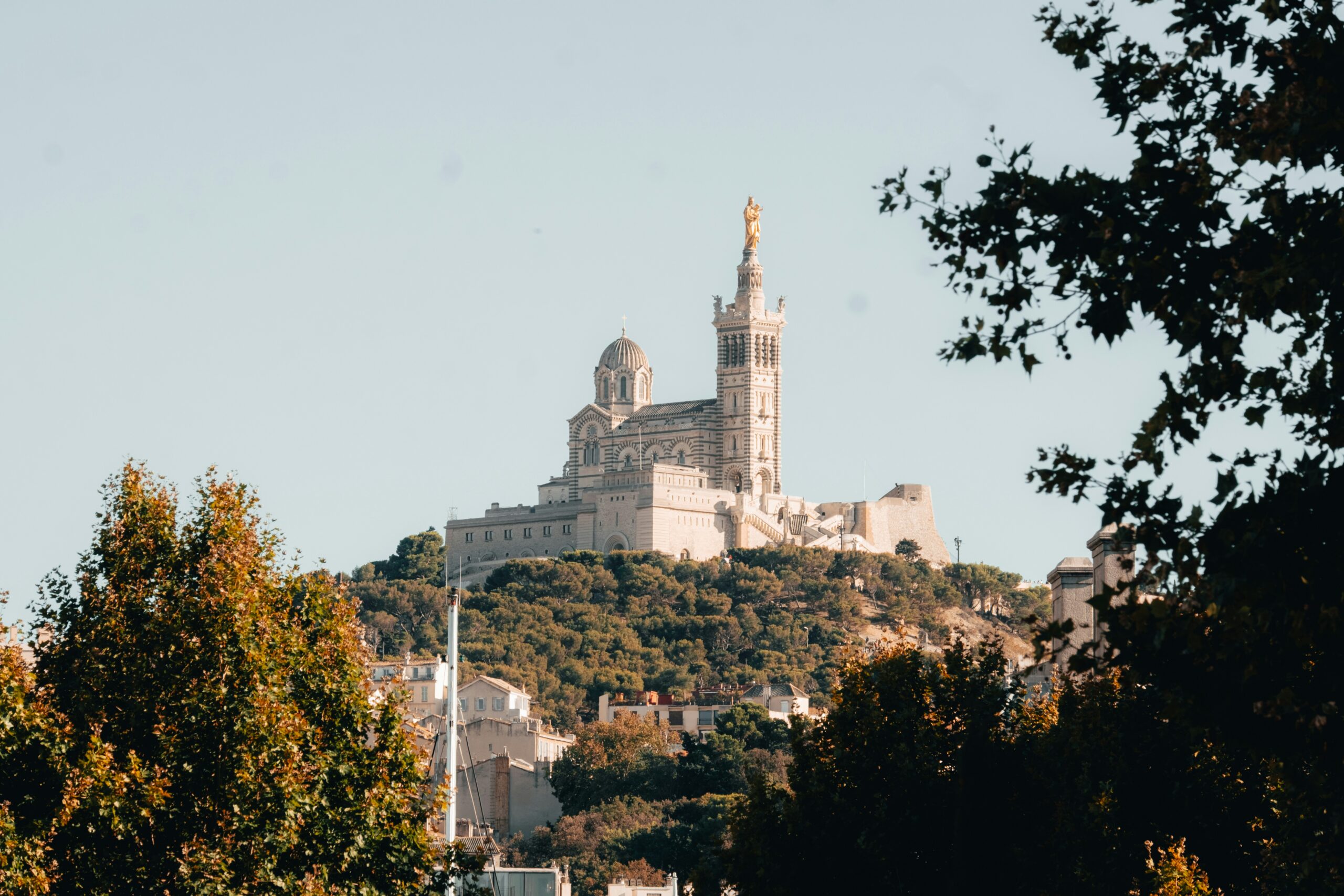
MARSEILLE OVERVIEW
WHERE | Marseille, Provence, France
GETTING THERE | Trains from Paris, Milan, ect & International & Domestic airport
GETTING AROUND | Walk, Bus, Tramway, Metro, Train, Car Rental
WHAT TO SEE | Vieux Port, Notre-Dame de la Garde, Le Panier District, MuCEM, Parc National des Calanques
WHAT TO EAT | Bouillabaisse (fish stew), Panisse (chickpea flour fritters), aioli sauce, passaladière (onion tart), tapenade (olive spread), sardines & grilled fish, navettes (biscuits), provençal cheese
BEST TIME TO VISIT | With its Mediterranean climate, Marseille is great year-round, though I love May — warm enough to swim, yet far less crowded than summer
CURRENCY | Euros €
AIX-EN-PROVENCE
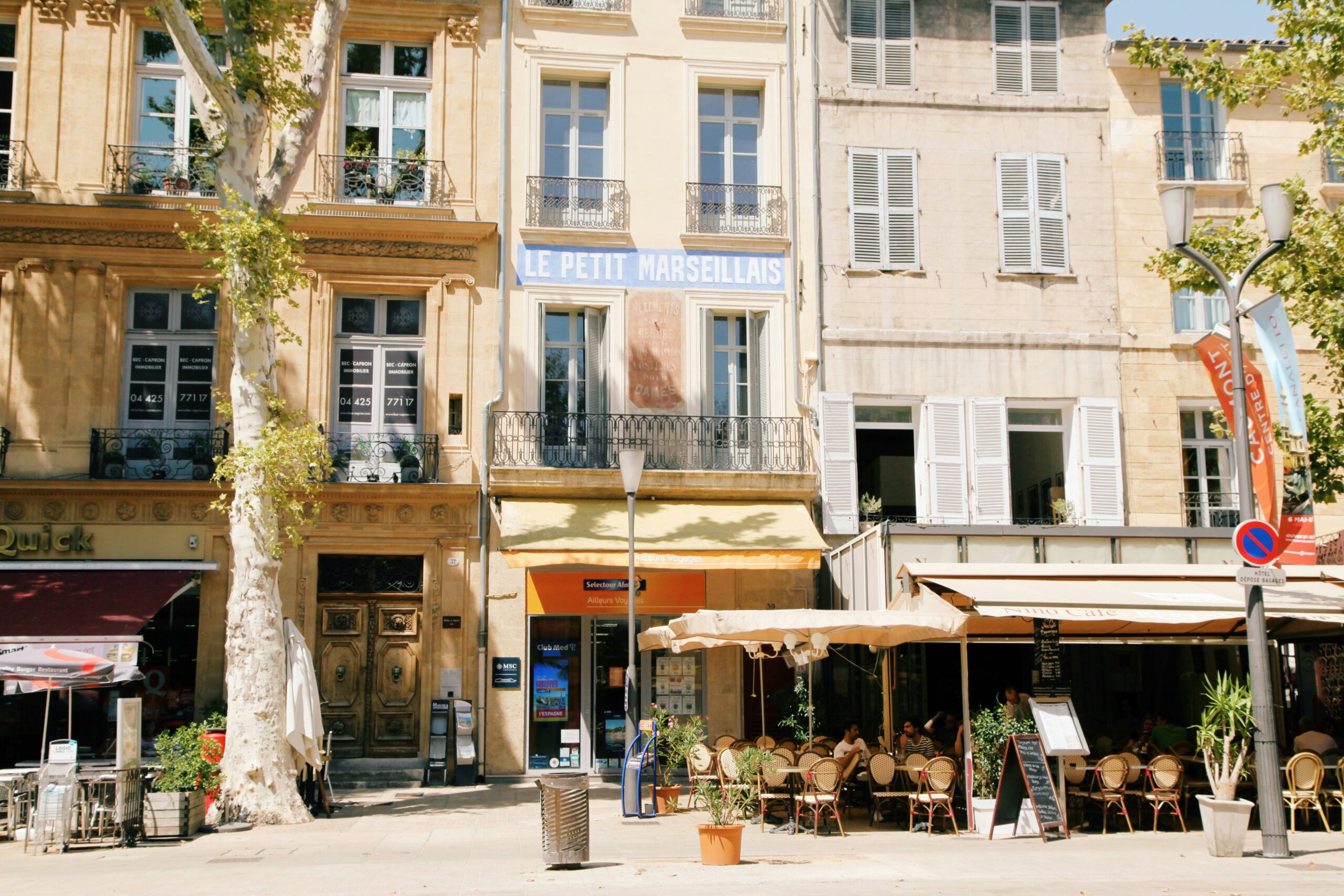
Name me a city that better represents the urban side of Provence. I’m waiting.
Aix-en-Provence holds a special place in my heart: it’s where I began my studies. For three years, I loved getting lost there, wandering through its streets lined with warm-colored facades, popping into local craft shops, and tasting traditional pastries as delicious as they were beautiful (Madeleines from Christophe & Calissons from Parli).
In summer, when the days stretch out and the city never seems to sleep, Aix comes fully alive. Its squares become open-air living rooms, animated by conversation and laughter, and infused with that singular southern energy—jovial, welcoming, and gently eccentric.
Aix-en-Provence is also one of the South of France’s most vibrant cultural hubs. From renowned museums — including the Pavillon Vendôme for contemporary art or Granet Museum featuring collections from the Renaissance to the 20th century — to independent galleries and ever-changing ephemeral artworks, culture punctuates the city throughout the year. I highly recommend joining a guided tour to uncover the city’s quieter secrets: what may appear to be a simple statue or an unassuming façade often reveals, through a guide’s words, a story — sometimes dark, sometimes joyful — that has shaped the lives of both past and present locals.
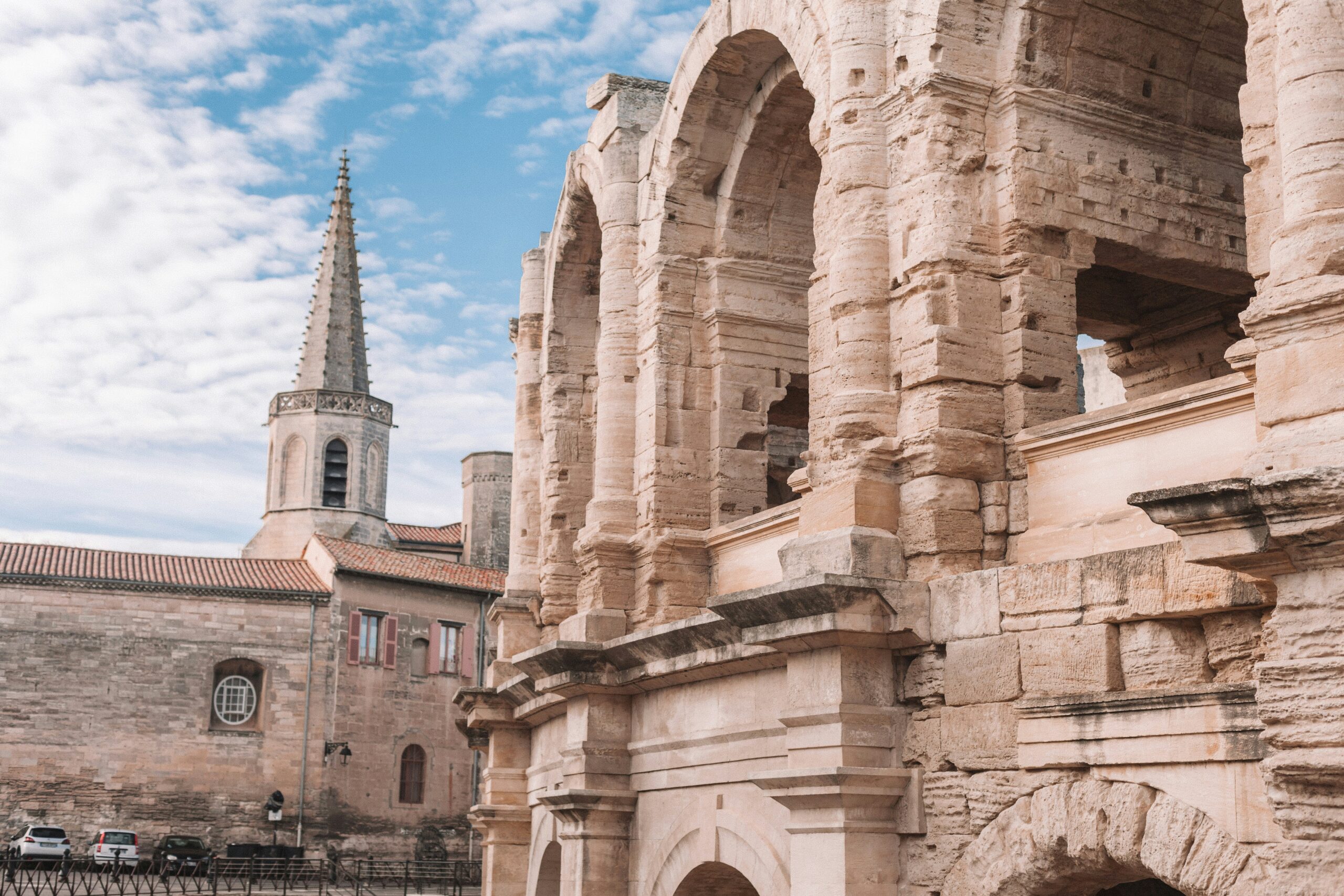
ARLES
Just walking through the streets of Arles is enough to understand why one of the most tortured—and talented—artists of the 19th century chose to settle here, transforming the city into a living canvas. Van Gogh captured the simple, vibrant beauty of local life, making Arles the stage for his artistic genius. You can still find the places he painted : the Café de Nuit, now known as Café Van Gogh, has retained all its charm and authenticity since 1888. The banks of the Rhône still serve as the backdrop for the famous Starry Night over the Rhône, now on display at the Musée d’Orsay in Paris. But Arles is more than the beauty immortalized by Van Gogh; it’s the city’s cultural richness that will captivate you.
Arles, which was a Mediterranean epicenter in Roman times, still preserves many vestiges of this grandeur: impressive arenas, ancient theaters, underground ruins, and ancient necropolises. The city is also home to the Musée Départemental Arles Antique, one of the most comprehensive museums in France, where you can admire an incredibly well-preserved 31-meter Gallo-Roman barge, discovered only ten years ago.
The Arles market, which brings the city to life on Tuesday, Thursday, and Saturday mornings (Saturday being the busiest), is the perfect opportunity to sample local flavors: fougasse, herbs and spices (thyme, basil, rosemary), navettes, croquants, tomme de Provence cheese, olive oils, and regional wines. It’s also the perfect time to pick up a handmade souvenir, whether it’s Marseille soap or Provençal ceramics.
LES BAUX DE PROVENCE
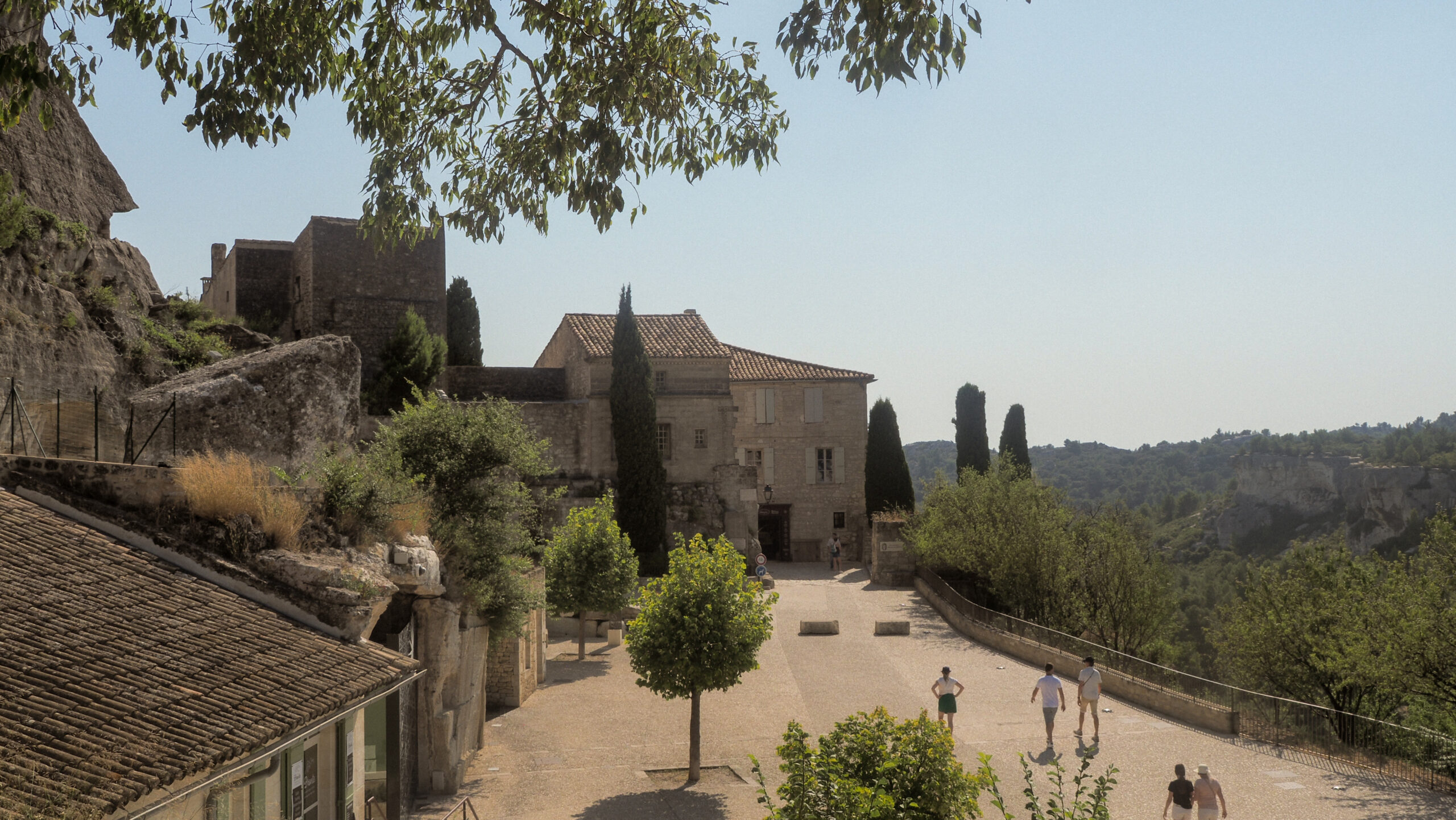
Perched above the valley of the Alpilles, northwest of Marseille, Les Baux-de-Provence rises from a steep, fortified site. Ranked among France’s most beautiful villages, it captivates at first sight. A visit here is irresistible, not only for its spectacular panoramas stretching all the way to the sea on clear days, but also for the richness of its historical and cultural treasures.
The Château des Baux, with its imposing medieval ruins, towers over the village, telling the story of the lords who once ruled here. Through the winding streets, art galleries and churches punctuate the stroll, offering discoveries and surprises at every turn. Finally, the Carrières de Lumières, former stone quarries, have been transformed into an immersive art space, where digital projections of masterpieces by the world’s greatest artists dance across the stone walls in a mesmerising dance of light and texture.
The village also boasts restaurants serving Provençal specialties and charming boutiques, perfect for picking up a local souvenir. A small word of caution: don’t be tempted by the nougat by the slice (Nougat à la coupe) — tasting is delightful, but the price rarely matches the quantity …
CASSIS
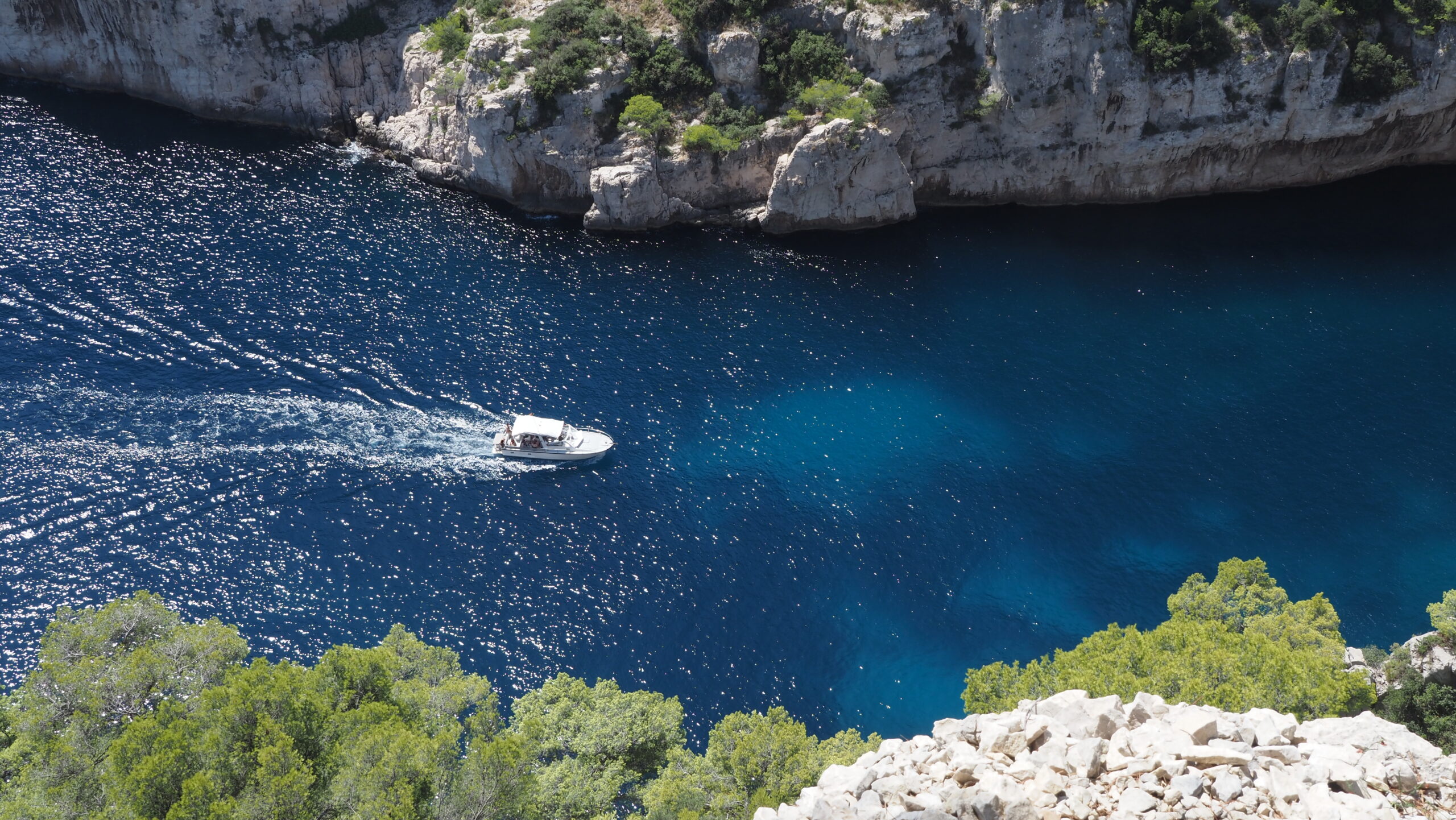
Cassis, a charming town on the Mediterranean coast, is the starting point for one of the most beautiful hikes in France: the Calanques de Cassis. I have even written a comprehensive guide to help you make the most of these spectacular landscapes, so don’t forget to check it.
Although small, the town is full of charm and attracts locals and tourists alike, especially in summer. Its colorful streets, picturesque harbor, and sunny terraces make it the perfect place for a day spent simply enjoying the sun: strolling on the beach, having lunch in a restaurant overlooking the sea (Villa Madie for high-cuisine experience) and finishing with an ice cream while watching the boats go by.
Cassis is also renowned for its white and rosé wines, and if you arrive by train, you only need to walk a few steps from the station to come across a vineyard. By car, take the route via Cap Canaille, with its spectacular cliffs—among the highest in Europe—offering breathtaking panoramic views of the turquoise waters of the Mediterranean, the rugged cliffs, and the surrounding villages.
The port of Cassis is also the ideal starting point for exploring the calanques in a different way: boat trips, kayaking, or hiking allow you to discover these secret coves, surrounded by white cliffs and maritime pines. Actually, if you’re in Marseille, you simply must see at least one calanque — it’s like visiting Greece without ever setting foot on a Greek island.
AIGUES-MORTES
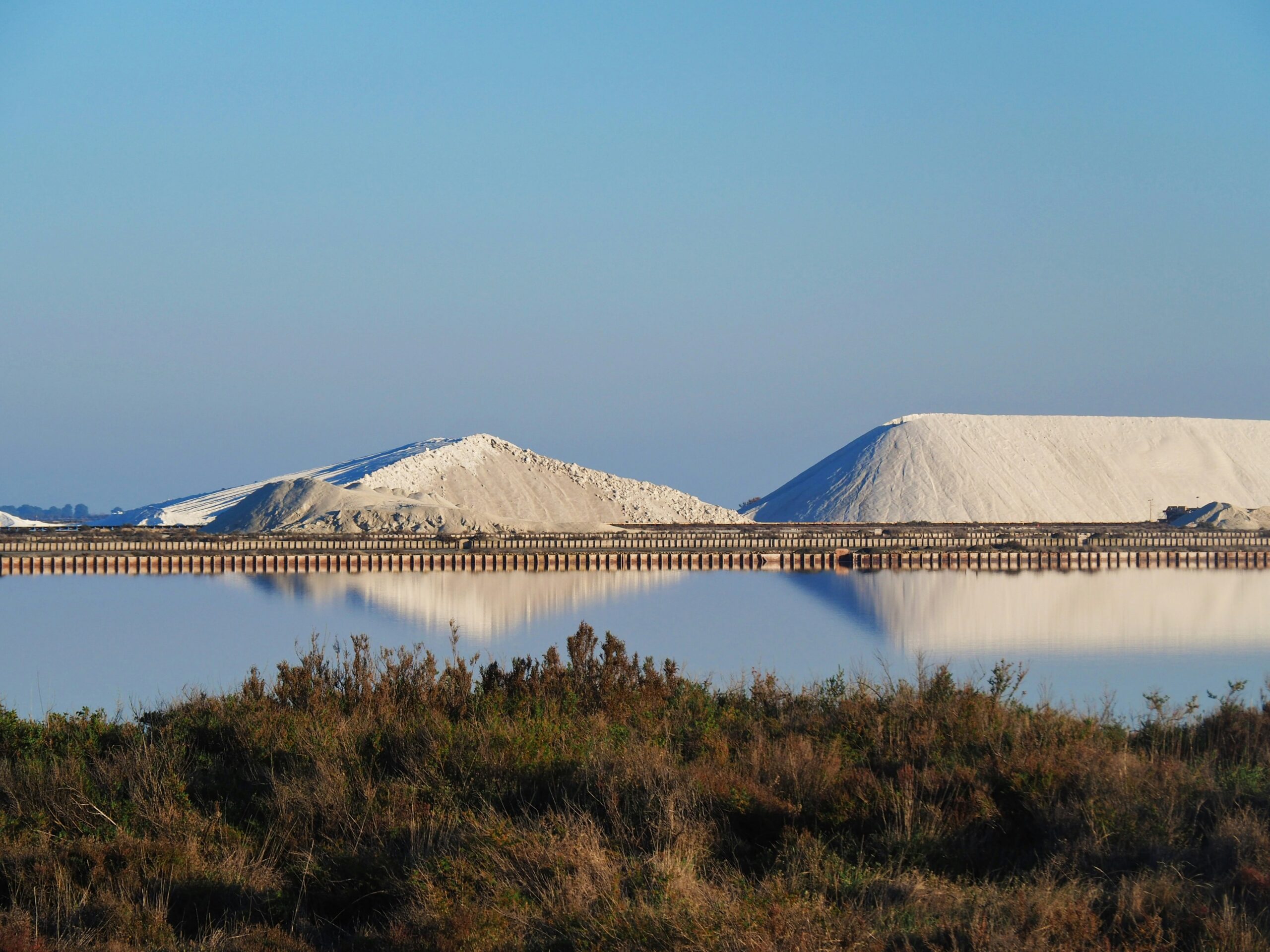
Imagine the setting: on the edge of the lagoons and ponds of the Camargue, in a Mediterranean enclave, stands a fortified city, founded in the 13th century. Due to its strategic location on the Mediterranean coast, King Louis IX had Aigues-Mortes built to prepare for the Crusades and assert royal power over the Italian cities.
Today, its perfectly preserved ramparts, nearly 1.6 km long, allow to walk in the footsteps of knights and enjoy panoramic views of the city and surrounding ponds. The Tour de Constance, a former iconic prison, offers a glimpse into the history of the city and its inhabitants. The town itself, very popular in summer, retains its charm: its narrow streets are lined with craft shops, perfect for picking up a unique souvenir of the region—Camargue salt, of course, but also Camargue rice olive oil, provencal products, and even a few culinary specialties to taste on the spot.
But Aigues-Mortes is not just about its walls: the surrounding area reveals the authentic Camargue, with its salt marshes, remnants of a thousand-year-old activity that has shaped the landscape and the local economy. Today, these salt marshes are a refuge for colorful visitors such as flamingos, white horses, and Camargue bulls, that you’ll probably spot during this trip.
LE CASTELLET
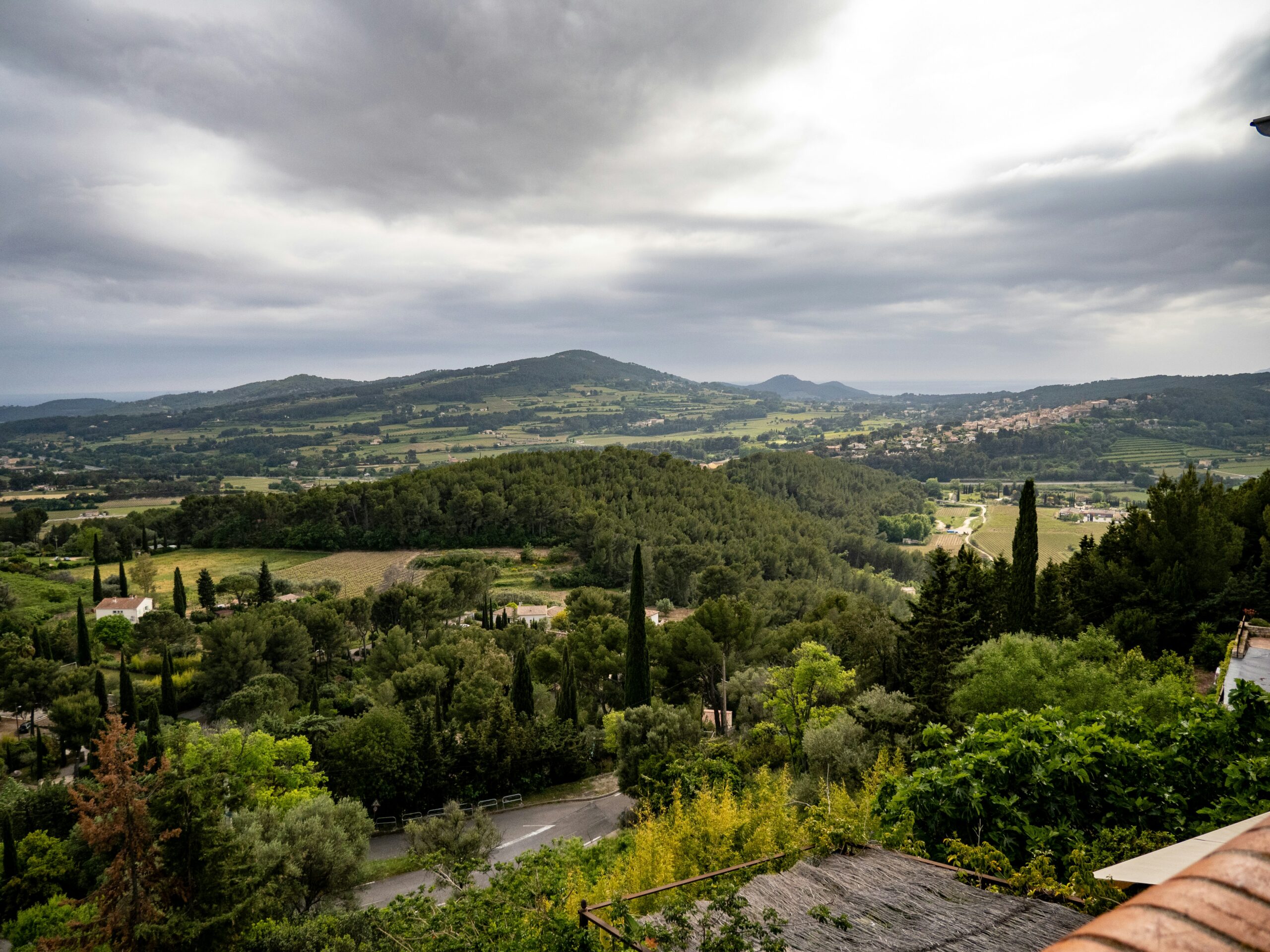
It’s no surprise that Le Castellet is listed among the most beautiful villages in France. And yet, when visiting the South, it’s not necessarily a place that springs to mind, often overshadowed by the superstar villages of Gordes and Les Baux-de-Provence. But, perched on a hill overlooking the valley—like so many villages in the region—it’s well worth a day trip from Marseille.
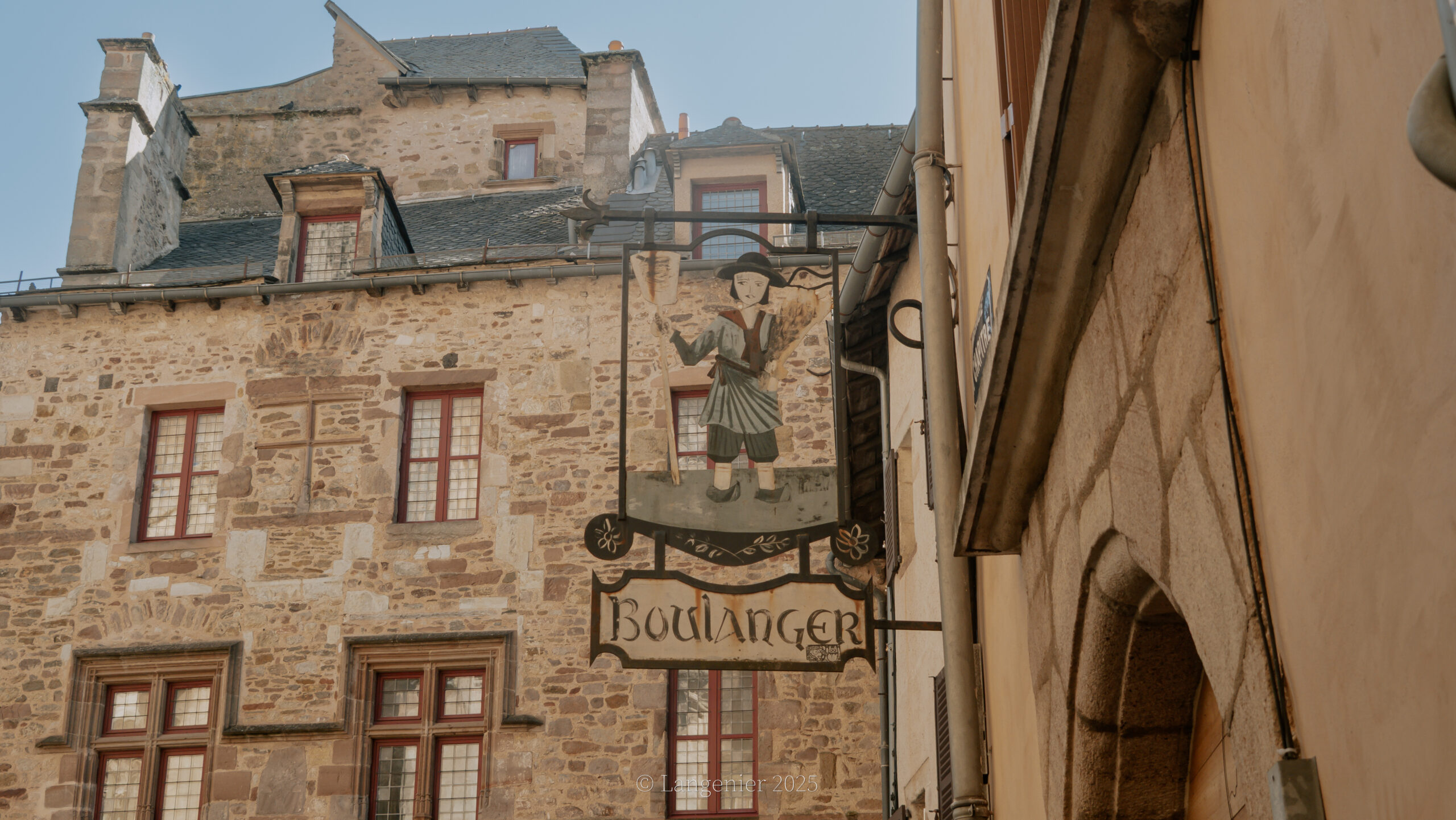
Le Castellet was the first village in the South that I visited, at the age of ten. I remember being charmed by its cobbled streets, stone staircases, colorful facades, and flower-filled balconies. I still remember the little shops celebrating local crafts and the bakeries, where you could eat typical, delicious products (La Femme du Boulager Bakery)
Almost fifteen years later, I returned. Fifteen years isn’t that long, and yet so much can change: new buildings, renovations, details that evolve… but fortunately, the village has kept its soul intact. Le Castellet feels frozen in time, carved in stone, a place that resists change and preserves its magic. The cobbled streets and small shaded squares still invite you to stroll around and discover every detail. It’s the perfect place to spend a sunny day, exploring another side of Provence, far from the hustle and bustle of big cities and the over-tourism that can sometimes dominates the coast.
THE FRIOUL ISLANDS
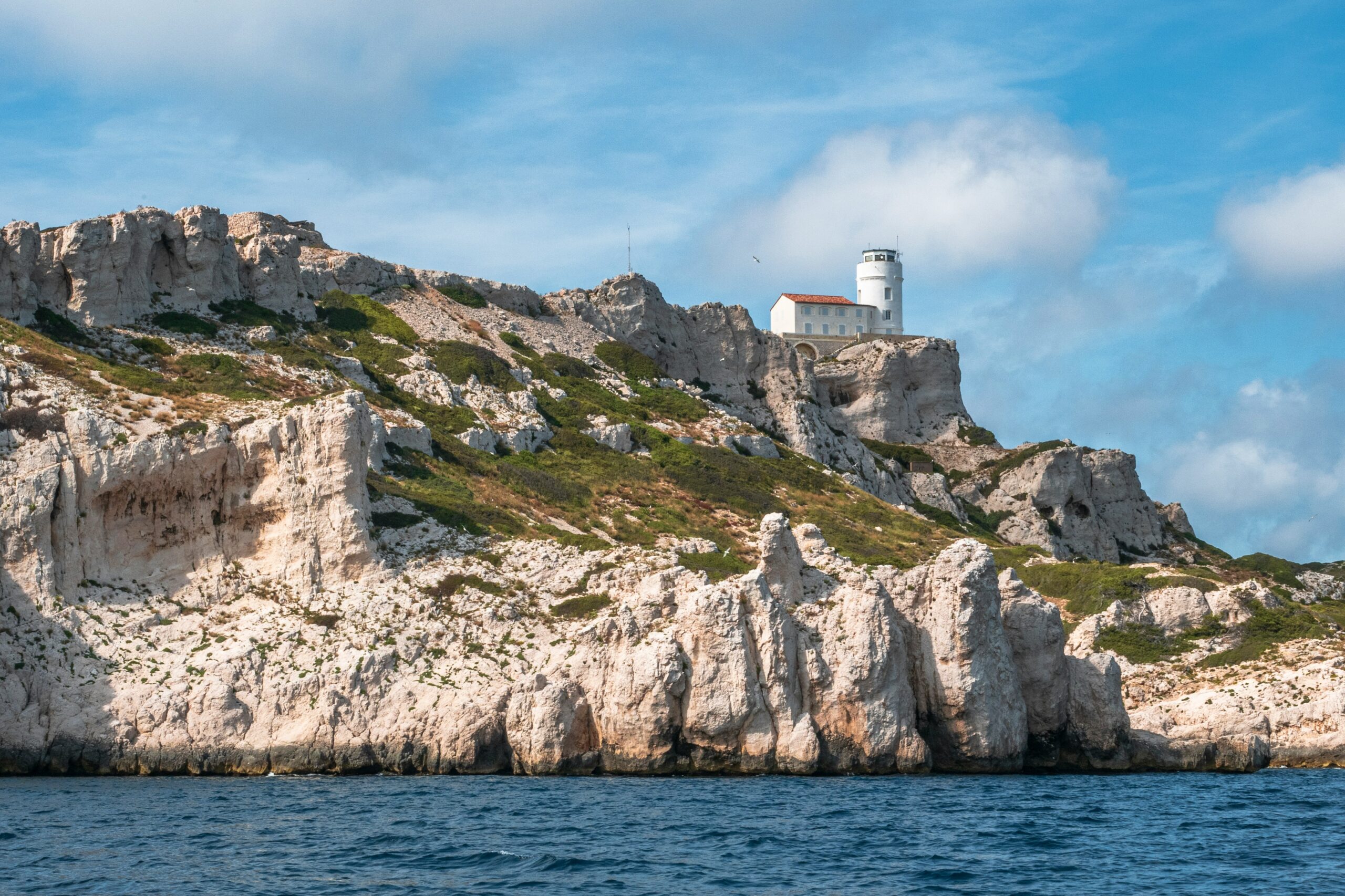
This is one of my favorite places in France. If you ask someone from Marseille ‘Where to escape the crowds ?’, they’ll probably answer: the Frioul Islands. Visible from the shores of Marseille as distant shadows on the Mediterranean, these islands are entirely accessible with three options.
First, a short ferry ride from the Vieux-Port takes you to a small islet where the Château d’If stands — built in the 16th century to guard the Marseille harbor, later immortalized as the prison of Edmond Dantès in Alexandre Dumas’ The Count of Monte Cristo. Today, you can explore its cells and ramparts while enjoying breathtaking views over Marseille and the Frioul archipelago. Second, you can choose to hop on a tour that combine the château with a boat ride around the islands. But my favorite option is to rent a boat, or even hire a skipper if you don’t have a license. Because, the Frioul Islands are dotted with hidden coves, and secret beaches, perfect for swimming in crystal-clear waters or hiking through pristine nature, where you’ll feel utterly alone with the sea, the sun and the wind. Just paradise in short.
AVIGNON
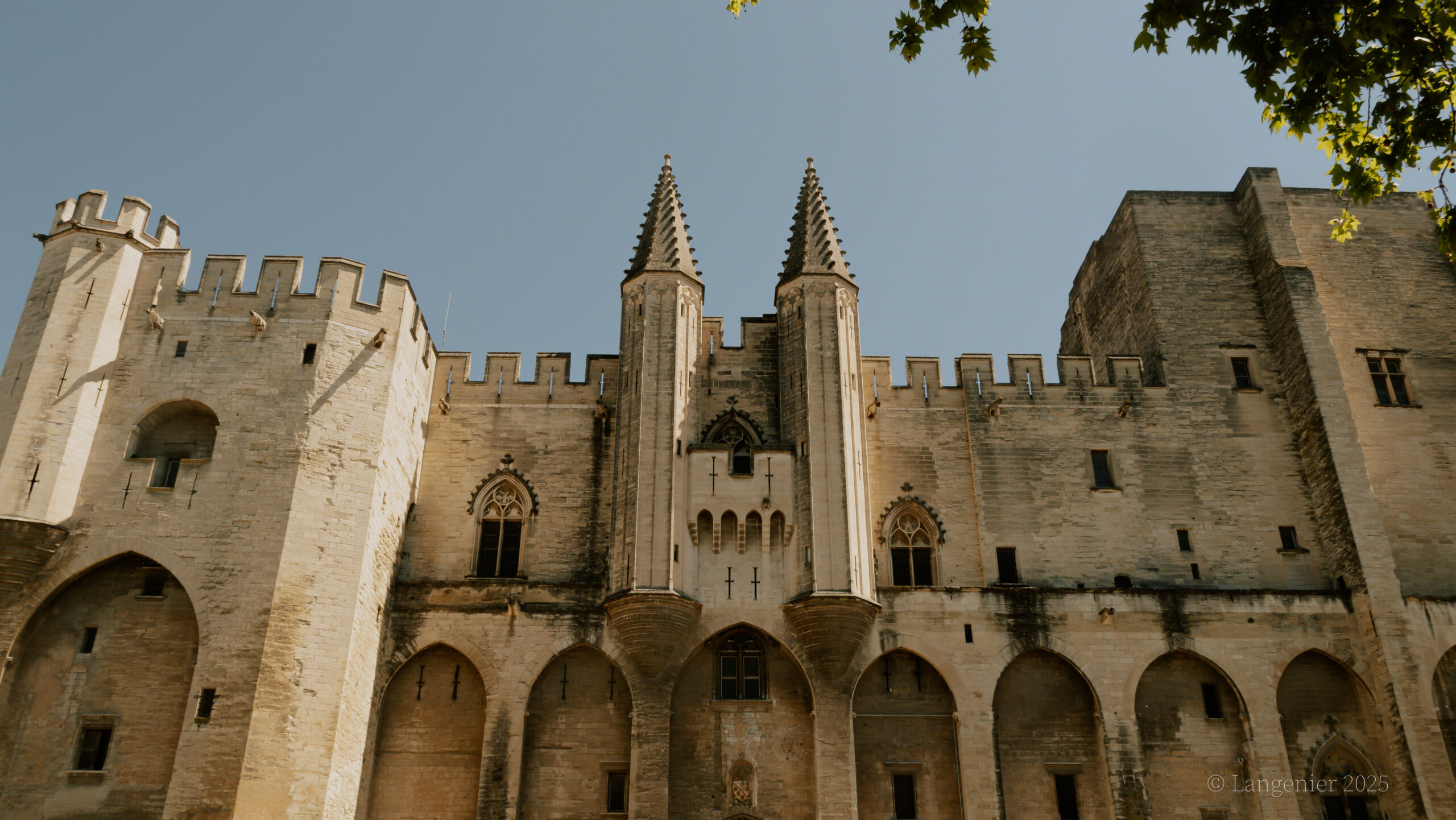
Set along the banks of the Rhône River, this former papal seat was home to seven popes during the 14th century — a legacy still visible in its breathtaking Gothic architecture, at the heart of which stands the monumental Palais des Papes, a UNESCO World Heritage Site. The city breathes with culture, showcased in its many historical & art museums, and every summer the Festival d’Avignon fills its streets with life, energy, and creativity, transforming it into one of the world’s largest and most inspiring performing arts celebrations. I’ve put together a complete guide to the best things to do in Avignon – everything you need to make the most of this beautiful city !
☆
Note that due to a lack of high quality content of Marseille (I was shooting with my Iphone when at that time) few of the pictures you see come from external sources of talented photographers. I hope to visit Provence soon again & shoot my beloved places with my camera soon !
3 Comments