5+ THINGS TO KNOW BEFORE VISITING BAVARIA
I had a few ideas of what to expect when I first arrived in Bavaria back in November 2024, though I hadn’t done much research going in — somewhere in the back of my mind, I knew I’d be back. And I was. Several times over. Before eventually settling part-time between France and Germany and getting to know this place properly. It’s held a special place in my heart ever since.
Still, looking back, there are a handful of things I wish someone had told me before I first landed in Munich — and before setting off to explore Bavaria more broadly. Small insights, but the kind of details that shape how you experience a place: what to expect, what to avoid, and what’s worth slowing down for. If you’re planning a trip of your own, I hope they save you a bit of the guesswork I went through.
Here are 5+ tips to make the most of your stay in Bavaria.
BAVARIA ISN’T JUST MUNICH, NUREMBERG & NEUSCHWANSTEIN
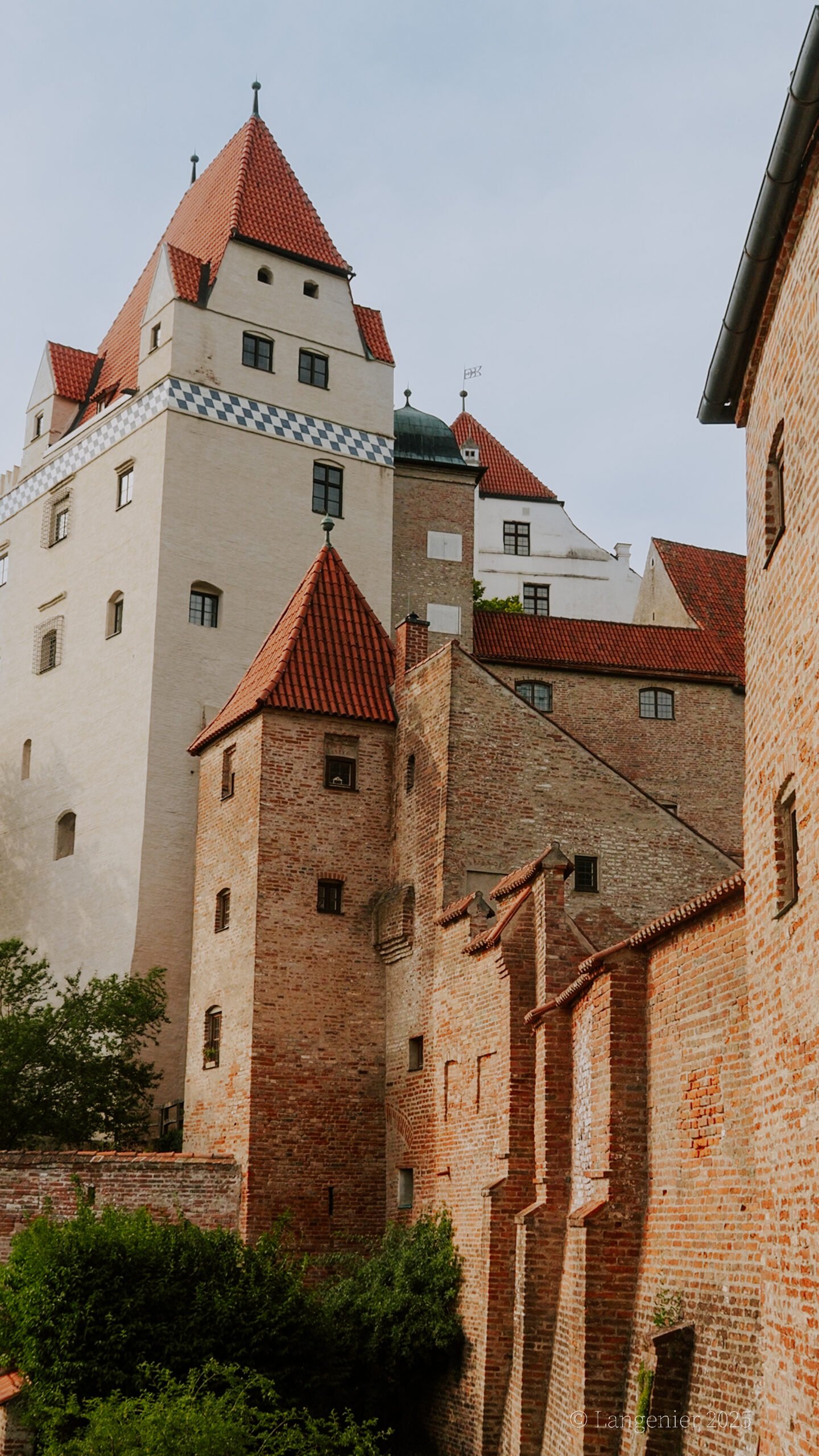
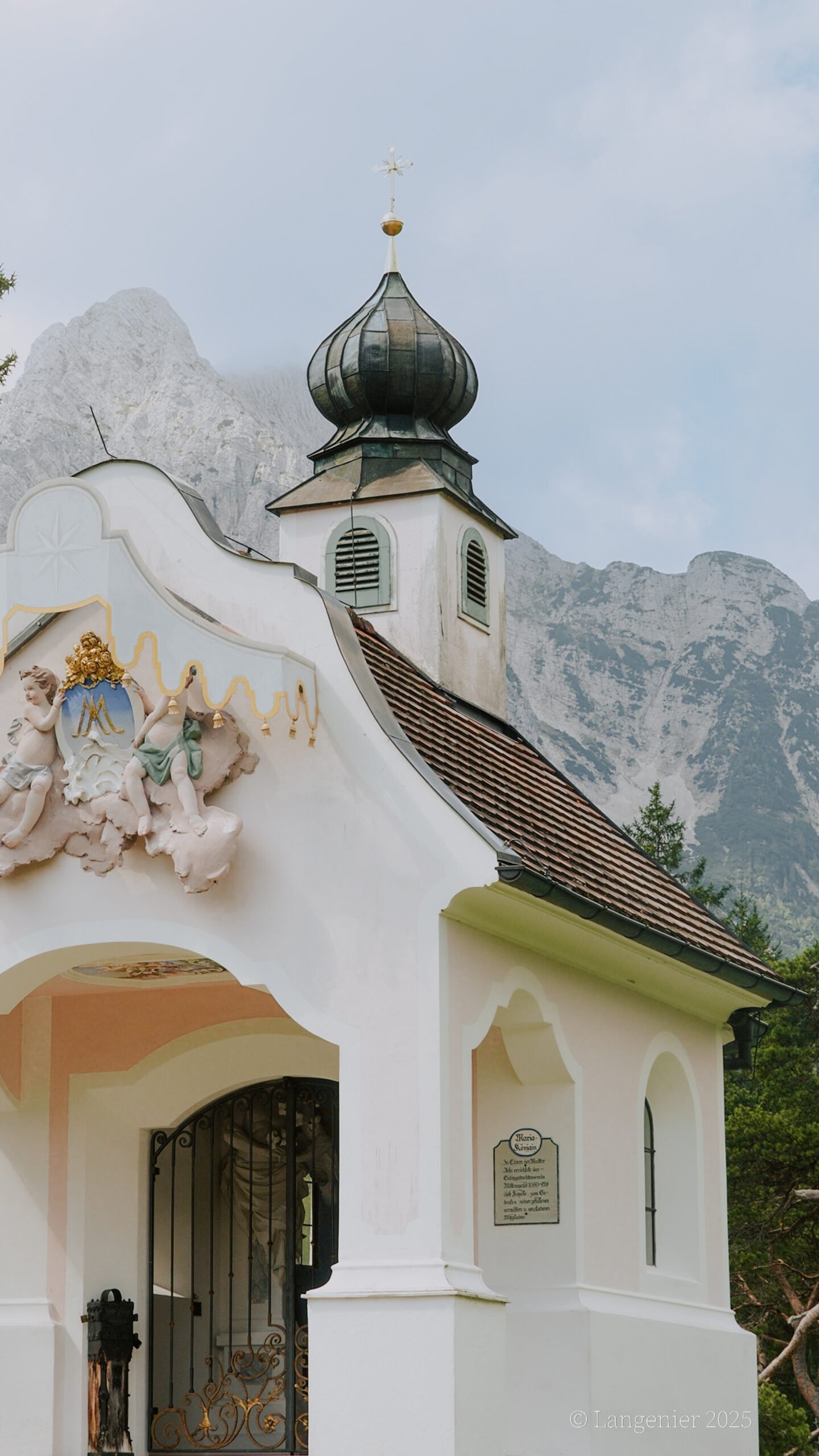
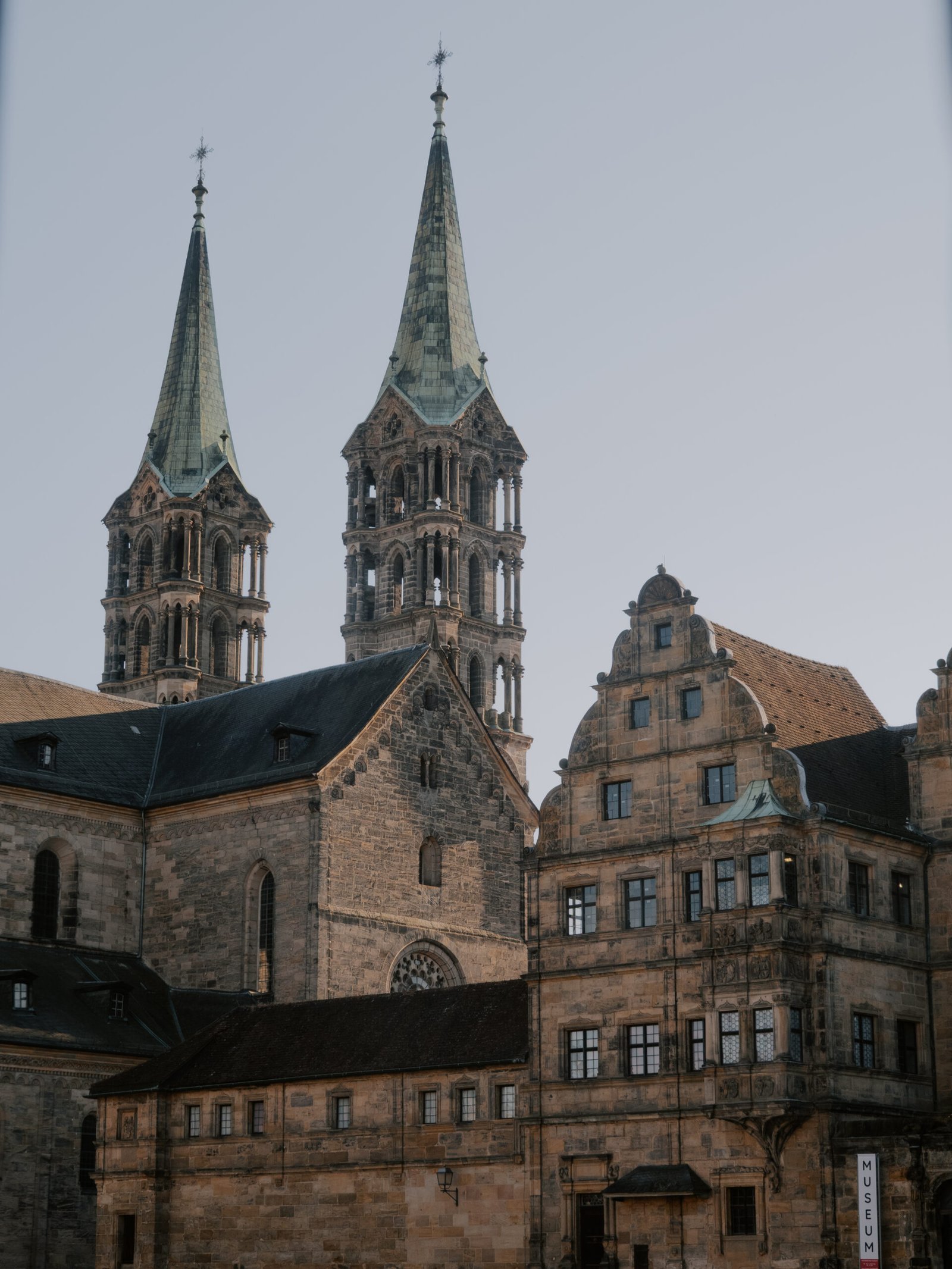
Bavaria is also Landshut on the east, Mittenwald on the south & Bamberg on the north
Bavaria is a region so vast and varied — in both landscape and culture — that it’s hard to say you’ve truly seen it after visiting only the famous trio of Munich, Nuremberg, and Neuschwanstein. If you’re looking to discover another side of Bavaria, head north to Würzburg, Bayreuth, and Bamberg, where Franconian wines and impressive Baroque architecture take center stage. Or explore eastward to Passau and Regensburg, one of Germany’s most picturesque and romantic cities. You could trace the Lech River from Augsburg to Landsberg—cycling makes it even more magical—or spend a weekend by Tegernsee or Ammersee, both reachable by train, with beautiful lakes and mountains in the background. If you’re into hiking, Bavaria won’t disappoint either – whether you prefer easy day hikes or overnight treks, head to the Allgäu Alps (around Oberstdorf/Füssen) or Berchtesgaden National Park.
The possibilities for uncovering Bavaria’s other sides are endless. Of course, if it’s your first visit, the highlights are worth seeing — and rightly so. But don’t stop there: Bavaria has countless facets.
FEIERTAG & SUNDAYS ARE GERMANY SACRED’S PAUSE
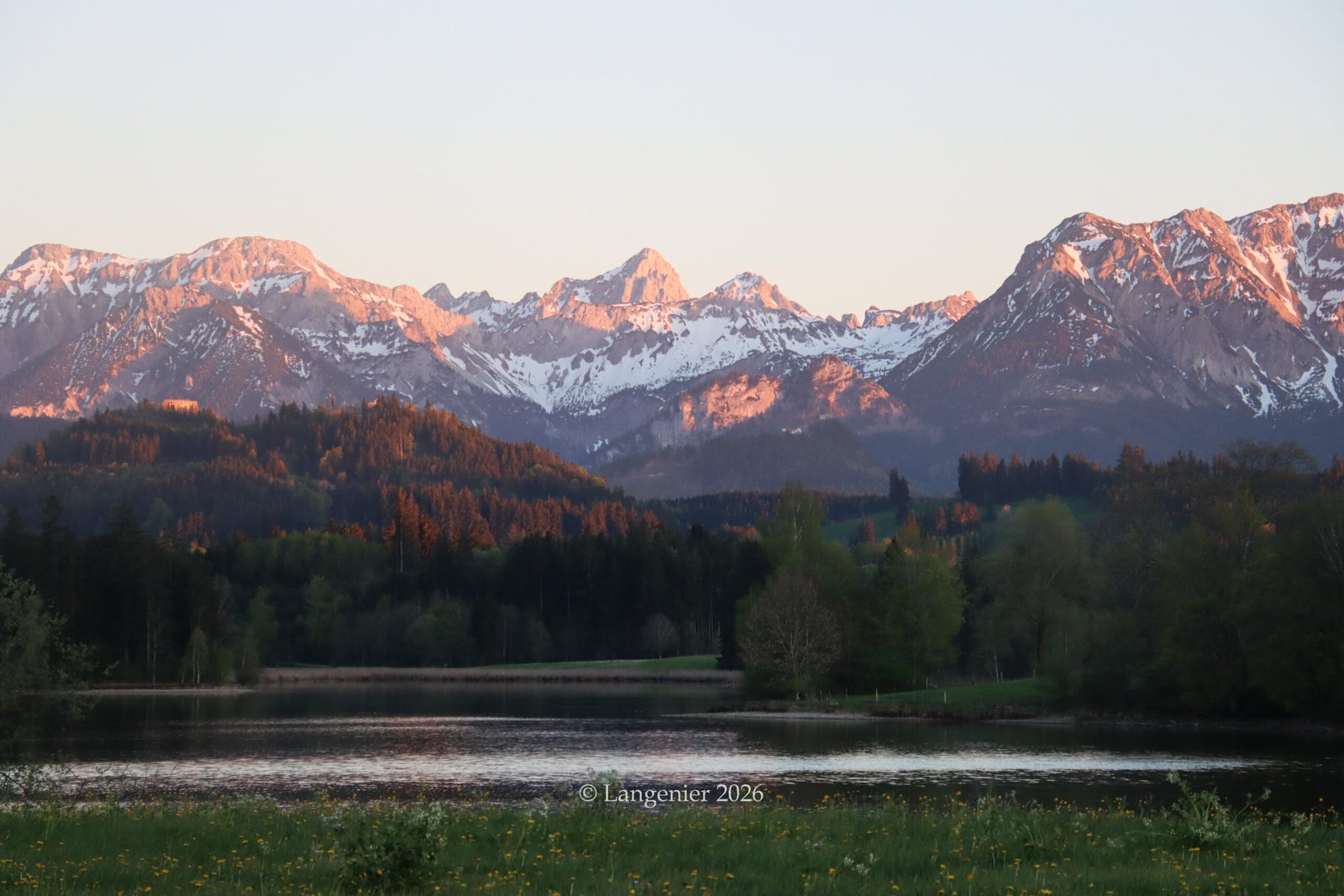
One thing that truly surprised me in Bavaria—and more broadly in Germany—is the almost sacred respect for public holidays (Feiertag) and Sundays (Sonntag). On Sundays, almost everything just stops: shops close, supermarkets remain shut, and only cafés and restaurants continue to operate. So there’s no point in planning a shopping trip or last-minute errands—it’s also a good idea to check that your stay doesn’t coincide with a public holiday (national or regional), as everything will be completely shut down.
And that’s what makes this collective pause so special. When everyone stops at once, travel takes on a different rhythm — you stroll through parks, head off on hiking trails, hop on public transport (still running, unlike everything else), and just reconnect with nature, especially when the sun’s out. You might complain at first, as I did — but in the end, you’ll come to love it.
STAYING LONGER IN BAVARIA? GET AN ANNUAL OR A 14-DAY TICKET
If you plan to spend a week or more in Bavaria and explore its architectural heritage in depth, few options are as advantageous—and as little known—as the annual or 14-day passes dedicated to Bavarian architecture.
These tickets give you unlimited access to the region’s greatest architectural gems, including the legendary Neuschwanstein Castle, the sumptuous Würzburg Residenz, and Nymphenburg Palace in Munich. But these passes are also great for discovering more off-the-beaten-track places : the Residenz in Kempten with its remarkably well-preserved interiors, the spectacular Walhalla perched above the Danube near Regensburg, and the exceptional Margravial Opera House in Bayreuth—arguably Germany’s most beautiful opera house.
An annual pass costs 55€ and is activated on your first visit, while a 14-day pass costs 40€. Pick it up directly at one of the locations. It’s a valuable and inexpensive way to explore Bavaria off the beaten track in the long term.
BEER GARDENS ARE BAVARIA’S BELOVED TRADITION
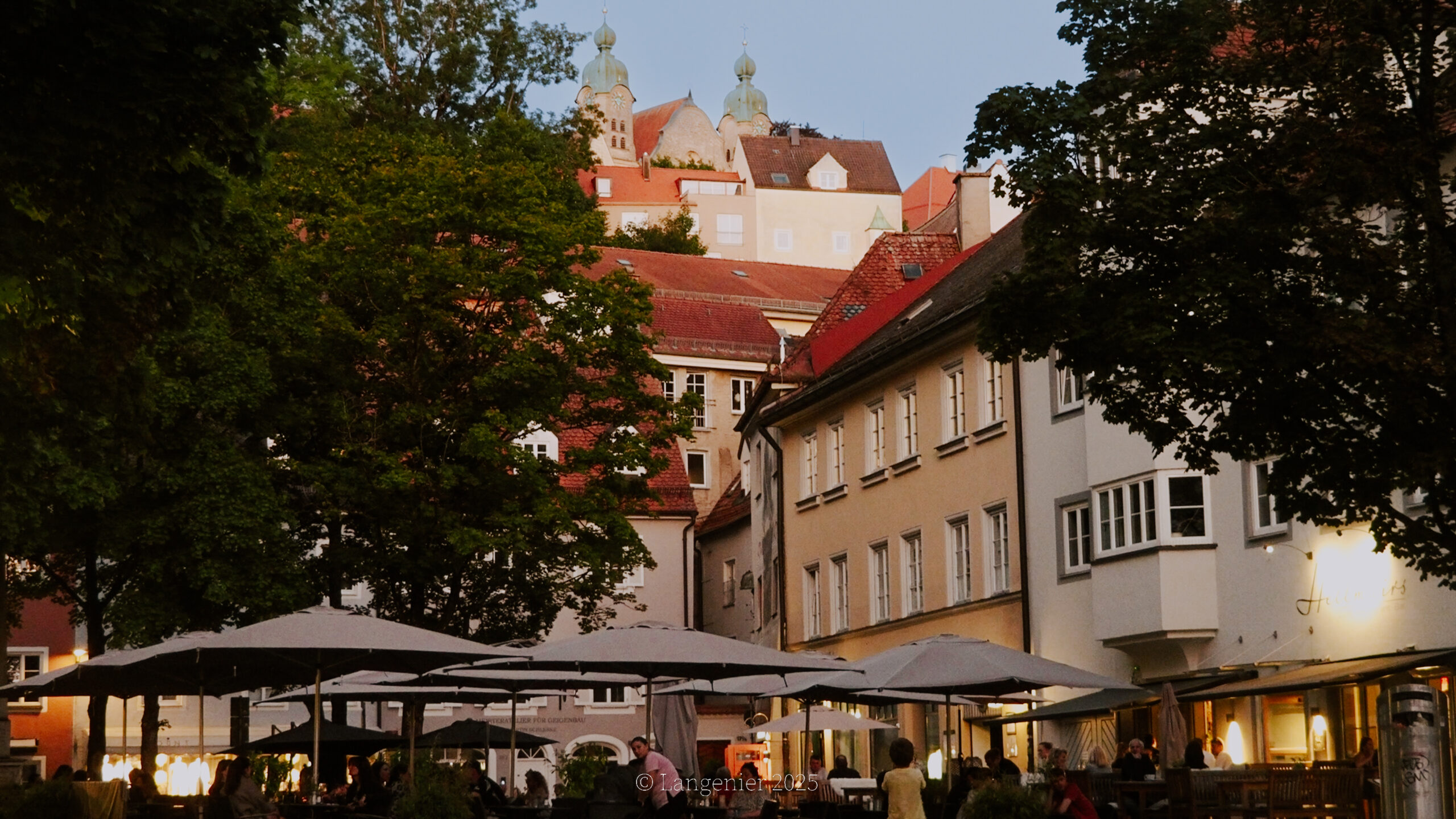
I’ve never seen a country so devoted to beer—or one that turns it into such a communal ritual. Beer gardens in Bavaria are nothing like the dark, crowded bars you might imagine; they’re convivial, family-friendly spaces where friends, couples, and relatives gather to enjoy each other’s company. On sunny days, people arrive early in the morning or linger into the evening, sharing a beer, a coffee, or a freshly baked pretzel by the river, at the edge of a park, or in a leafy courtyard. It’s a tradition that epitomizes Bavarian culture, now found across Germany and even beyond. One little tip: if your budget is tight, you can bring your own snacks to enjoy on site—just be sure to order drinks from the Beer garden itself.
If you’re in Munich, I’ve put together a little guide to my favorite foodie experiences in the city—including some of the best beer gardens. Definitely worth a look!
MAKE USE OF THE DEUTSCHLAND TICKET TO EXPLORE ANOTHER COUNTRY
You might assume that the Deutschland Ticket—the now indispensable pass that lets you travel unlimited on regional trains and public transport across Germany—is only valid within Germany. But in fact, it opens the door to nearby border towns too. One of the most interesting options from Bavaria is Salzburg, Austria : a picturesque city framed by mountains, the birthplace of musical prodigy Mozart, and perfect for a day trip. I’ve already written a complete guide to exploring Salzburg in winter (which is just as enjoyable when the weather warms up), making it an ideal way to experience two countries in just a few hours.
☆
If you’re planning to stay in Germany for a long time — or maybe you’re already living here — I’d love to hear your advice on things I haven’t yet covered about this beautiful country. I still feel there’s so much to discover about Germany and its rich regional traditions.