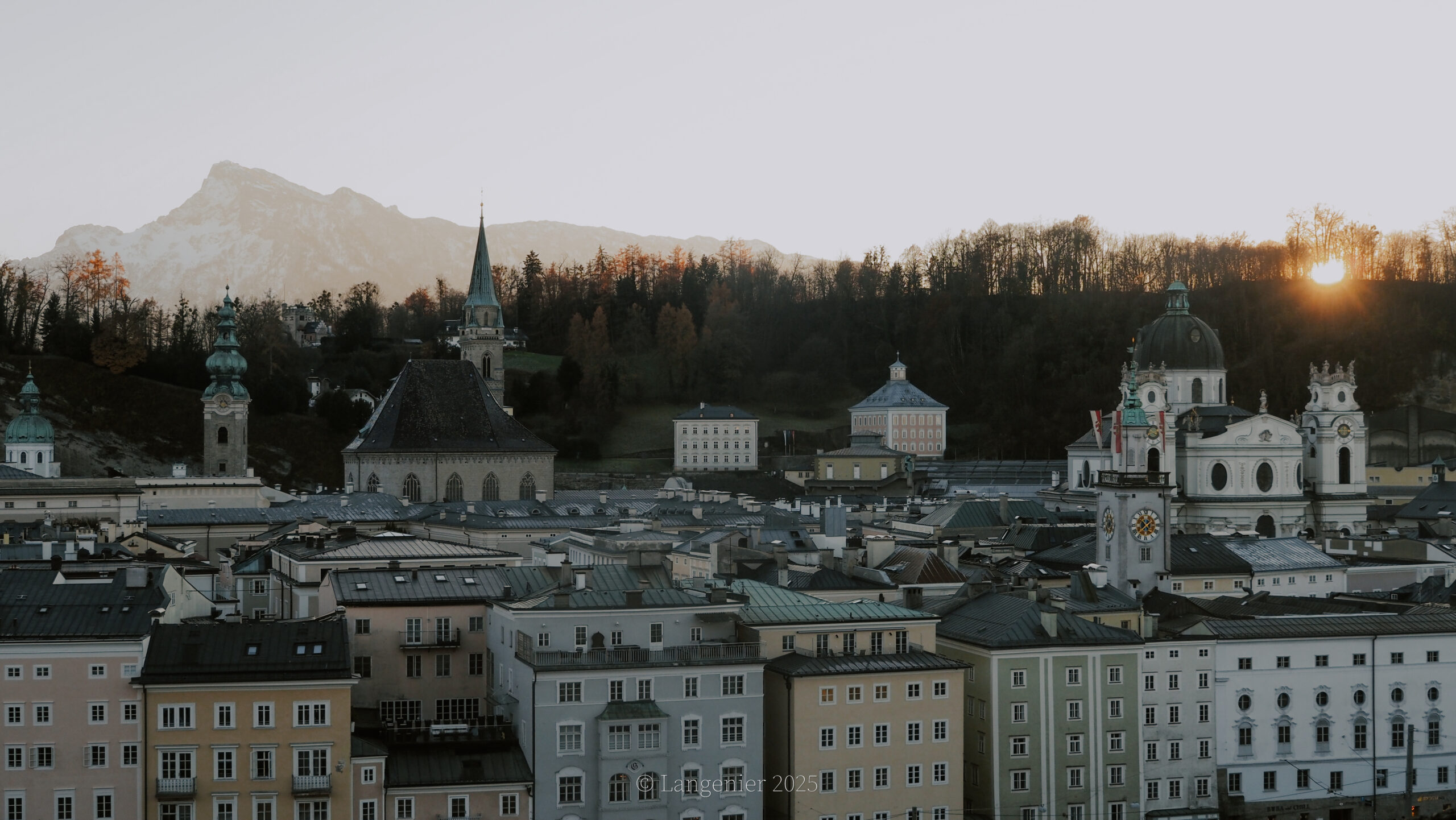
A TRAVELER’S GUIDE TO THE BEST PLACES IN UMBRIA, ITALY
Birthplace of saints and home to some of Italy’s most treasured artworks, Umbria is the Italian countryside as you’ve always imagined it: verdant farmland, steep hills crowned with medieval fortresses, and winding country roads. Often called the “green lung of Italy”, it remains largely off the radar for international people, yet its landscapes, heritage, and natural beauty are deeply enriching.
During my months living in Rome, I had the chance to explore Umbria three times. Perugia, the main city, felt like a Shakespearean set, full of charm and history. Orvieto, with its breathtaking cathedral, exceeded every expectation I had from photos. And then there was Assisi, a place I hadn’t anticipated loving as much, yet it left an indelible mark on my heart with its profound spirituality. I left Umbria genuinely surprised by how little I had heard about it, yet utterly enchanted.
If you’re seeking a fairly underrated Italian region that combines rich heritage, Tuscan-like landscapes, and a gentle pace of life, Umbria is waiting to be discovered. Here are a few of the places in this region that you definitely need to see !
UMBRIA OVERVIEW
WHERE | Umbria region, Italy
GETTING THERE | Hourly trains from Rome, Florence & Perugia International airport
GETTING AROUND | Walk, Bus, Train, Car
WHAT TO SEE | Perugia, Assisi, Spoleto, Orvieto, Lago Trasimene, Todi
WHAT TO EAT | Strangozzi al tartufo (pasta), Pasta alla Norcina, Porchetta (pork sandwhich), Pecorino cheese, Torta al teste (flatbread snack), Rocciati di Assisi (apple & nut pastry), Tozzetti (almond biscuits).
BEST TIME TO VISIT | Best from May to October
CURRENCY | Euros €
GETTING TO & AROUND UMBRIA
- By train : several direct daily trains connect Florence, Rome, and Ancona with Umbrian towns like Perugia, Assisi, Orvieto, and Spoleto.
- By bus : local buses link major and minor towns across the region. Schedules can change, so it’s best to check with local tourist offices rather than rely solely on online timetables.
- By car : the hills and valleys of Umbria are ideal for scenic drives, though some roads are narrow and winding. The modern road network makes most destinations accessible, and a car is ideal for exploring smaller villages.
- By plane : Perugia San Francesco d’Assisi Airport (PEG) serves the region with European and low-cost flights. Alternatively, larger airports like Florence (FLR) or Rome (FCO/CIA) offer more international connections, with onward travel by train or car.
PERUGIA | The Magnificent
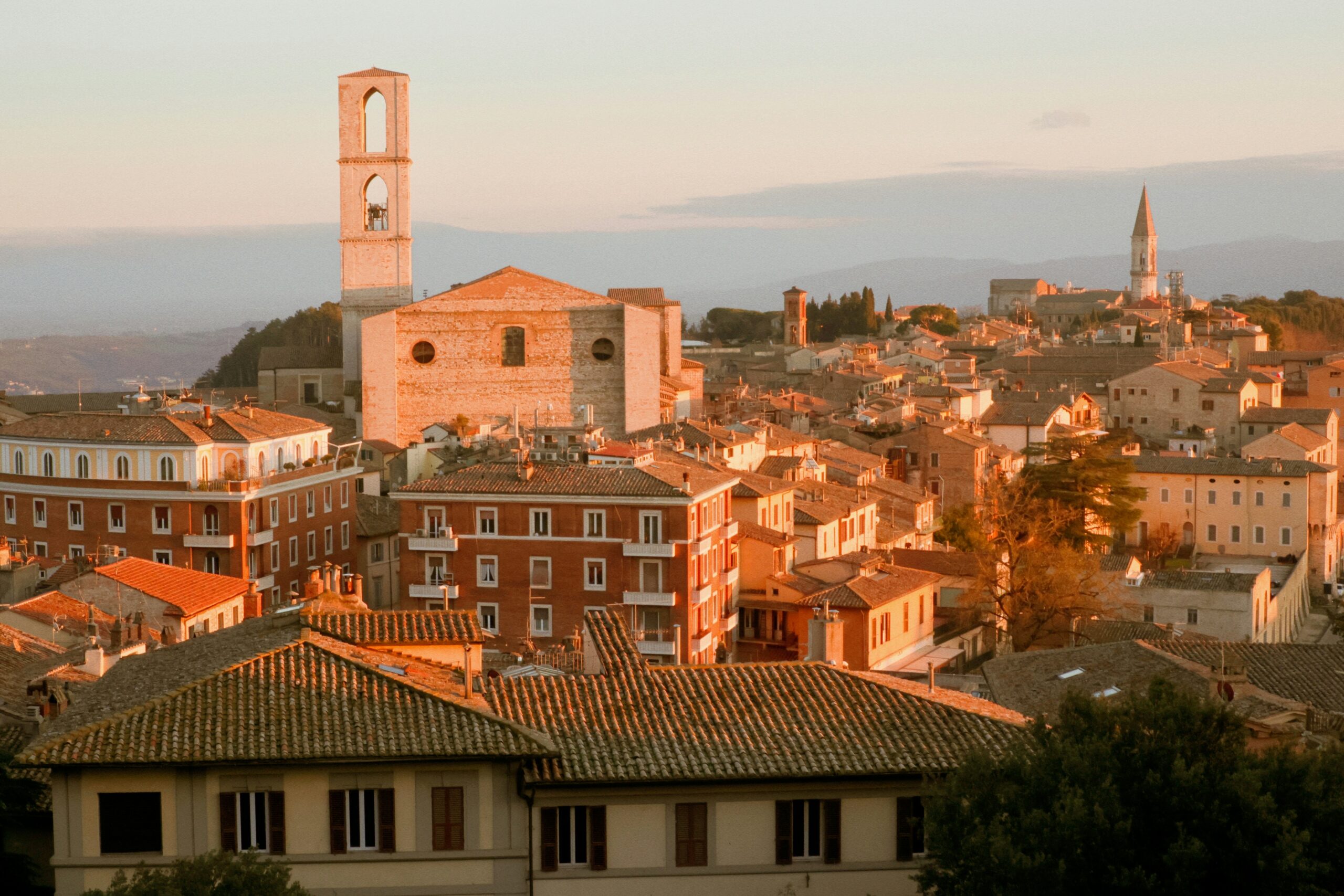
As Umbria’s largest town, Perugia is a captivating mix of history, art, culture, and youthful energy. Important university town, it attracts not only students but also culture lovers — from jazz fans attending the Umbria Jazz Festival in July to chocolate enthusiasts in October. Perugia is also the birthplace of Baci chocolates, the famous hazelnut-filled “kisses” by Perugina, wrapped in silver foil with romantic messages in multiple languages.
If you arrive in Perugia from the lower part of the city, you’ll likely pass through the Rocca Paolina, an underground maze of streets and arches built in the 1540s to assert papal authority over the city. In summer, it’s a perfect spot to escape the heat.
From there, head to the Palazzo dei Priori, which houses the Sala dei Notari (free entry), decorated with remarkable frescoes. A little off the main path is the Collegio del Cambio (€6 entry). Once the meeting place of the city’s money changers, it now displays stunning frescoes by Perugino, one of the great masters of the Italian Renaissance. For a deeper dive into Perugia’s art, visit the Galleria Nazionale dell’Umbria, located on the fourth floor of the same palace. It showcases the region’s finest collection of native artists, including Perugino and Pintoricchio (€10 entry).
In the late afternoon, take a stroll along Corso Vannucci, the pedestrian heart of Perugia. Locals enjoy their passeggiata, a leisurely pre-dinner walk that often includes a stop for an aperitivo at one of the many bars lining the street. Just nearby, the Duomo of San Lorenzo houses the Virgin Mary’s wedding ring, which is shown only two days a year (July & January).
LAGO TRASIMENE | The peaceful
Lake Trasimeno, Italy’s fourth-largest lake (128 km²), is said to be named after a Tyrrhenian king who drowned while chasing a nymph. Surrounded by gentle hills dotted with vineyards, olive groves, and forests, the lake breathes peace.
Its shores are lined with medieval villages recognized as I Borghi più belli d’Italia (Italy’s most beautiful villages), including Passignano sul Trasimeno, a picturesque old fishing village on the northern shore, and Castiglione del Lago, rich in history with its Palazzo della Corgna and the Rocca del Leone, a 12th-century fortress built atop an Etruscan acropolis. From the fortress walls and towers, the view is breathtaking. You can also opt on a short boat ride that takes you to Isola Maggiore, a small island whose village retains the charm of a traditional fishing community, complete with narrow streets, colorful houses, and a serene lakeside atmosphere.
ASSISI | The Spiritual
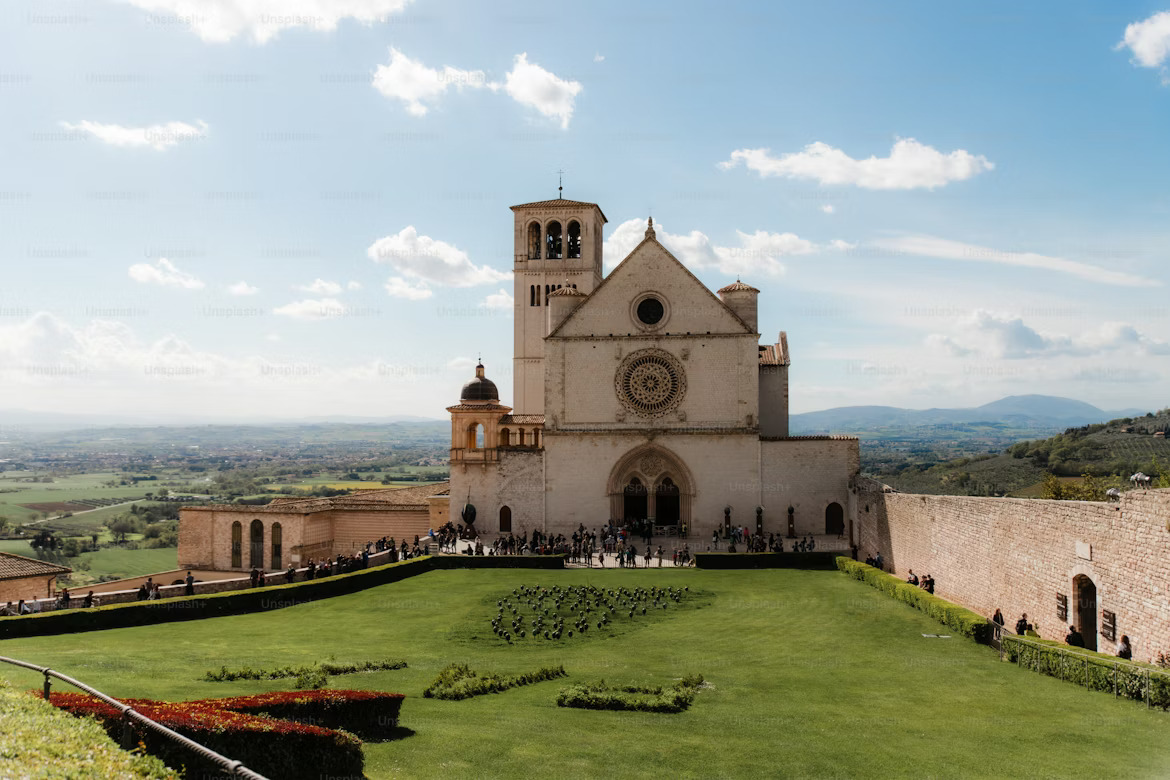
Umbria has produced its fair share of Christian saints, from St. Valentine, the patron saint of lovers, to St. Benedict, and most famously St. Francis, whose pacifist life shaped the Church of his time. The small hilltop town of Assisi, where St. Francis was born in the 12th century, is one of the Christian world’s most important pilgrimage sites. And it’s undeniably one of the most beautiful destinations in Umbria.
From the Stazione Centrale (4km away), use the bus (every half-hour) which will lead you to the town. Dominated by a medieval castle, the town is home to the Basilica di San Francesco, built in honor of the saint. The basilica is actually two churches: the Romanesque Lower Basilica, dim and atmospheric with candlelit shadows, and the Gothic Upper Basilica, bright and airy. Both are filled with some of Europe’s finest frescoes (free entry). Assisi is also dotted with other historic churches, some older than St. Francis himself, including the Basilica di Santa Chiara and the Cattedrale di San Rufino, where he was baptized.
On the afternoon, a short walk east of town (around 4 km) brings you to the Eremo delle Carceri, a hermitage set in dense woods on Monte Subasio. Here, St. Francis and his followers “imprisoned” themselves in prayer. Largely unchanged since his time, the church and monastery offer a tranquil retreat, with walking trails that continue across the wooded hillside (free entry; donations recommended).
Be sure to stay in Assisi until the last rays of the sun—or the last train or bus—because the sunset from the hilltop rewards with magical views of the surrounding landscape.
ORVIETO | The Alluring
Perched on a volcanic plateau in the heart of Umbria, Orvieto combines stunning architecture with a hidden underground world. Settled by the Etruscans over 2,000 years ago, the city is honeycombed with more than 1,200 wells and storage caves carved from soft tufa. These underground spaces were later used by popes seeking refuge from enemies or Rome’s summer heat, and later for storing the region’s prized wines and olive oils. Daily tours of Orvieto Underground is definitely worth it (reservations recommended), but if you are short on time, head to Pozzo della Cava, an Etruscan spring well, where nine excavated caves showcase medieval ruins and archaeological treasures.
The other highlight of the city is its cathedral. The Duomo di Orvieto was built to honor the Miracle at Bolsena in 1263, when a priest witnessed the Communion wafer bleed during Mass. Inside, its vast nave houses some of Italy’s finest frescoes, yet it’s the façade that truly captivates. A masterpiece of 13th-century Italian Gothic, it glows with colorful mosaics illustrating biblical scenes, sculpted reliefs, and statues of saints adorning its grand portals — a captivating way for the Bible to come to life in architecture.
TODI | The Confidential
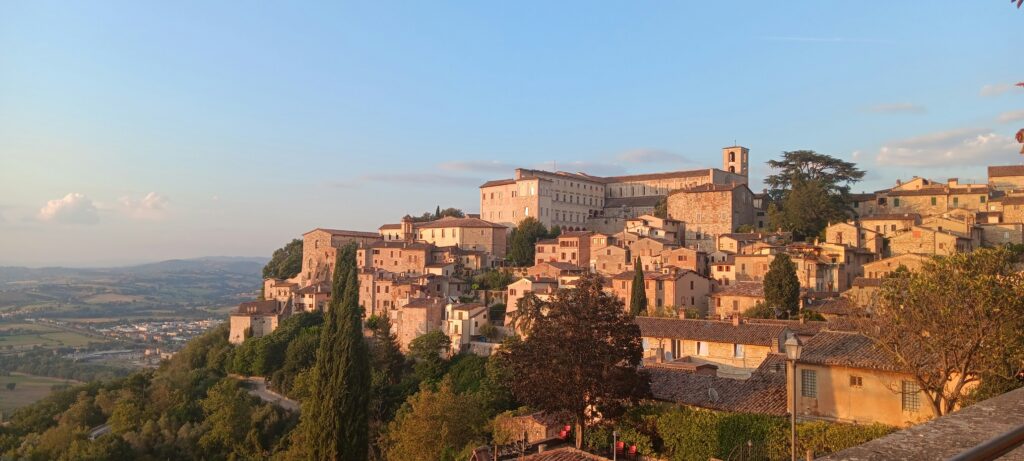
From Piazza del Popolo, the views over the Tiber Valley reveal why Todi is often called Umbria’s most charming hill town. Legend says the umbrian founded it after following an eagle that had stolen a tablecloth—so impressed by this lofty perch, they never left. Today, the eagle still sits on the insignia of the medieval palaces around the main square.
Todi is easiest to reach by car, as public transport is limited. The town is renowned for its perfectly preserved medieval and Renaissance architecture, with narrow, winding streets that hide arches, flowered balconies, and artisan workshops keeping centuries-old traditions alive. In the Piazza del Popolo, the surrounding palaces testify to Todi’s medieval civic power, balanced by the spiritual authority of the Duomo di Todi, a 12th-century Romanesque-Gothic cathedral built over a Roman temple. This piazza is the heartbeat of the town: cafés stretch across the piazza, locals relax on benches and visitors capture the beauty of a perfectly preserved medieval town.
SPOLETO | The Historical
For much of the year, Spoleto is simply another charming hill town, resting gracefully atop a mountain. But for more than two weeks each summer, it comes alive during the Festival dei Due Mondi (Festival of Two Worlds), an extraordinary celebration of theater, opera, music, painting, and sculpture that draws some of the world’s top artists. If you’re in Umbria outside of this period, however, it doesn’t mean you shouldn’t spend a day exploring the town.
Spoleto is easily reached by train from Perugia, followed by a 20-minute walk that gradually climbs into the upper part of the town. Like most historic Umbrian towns, it’s best explored on foot, so be prepared for steep streets and stairs.
If you love history and/or art. You’ll find plenty to enjoy. Spoleto became a Roman colony in the 3rd century BC and preserves remains from the following period, including the Casa Romana, which once belonged to the mother of Emperor Vespasian (one of the builders of the Colosseum of Rome), and the Teatro Romano, a small Roman theater.
A step forward in time brings you to the medieval and Renaissance highlights of the town. The Duomo di Spoleto is one of Umbria’s finest cathedrals. Nearby, La Rocca Albornoz, a mid-14th-century fortress, hosted popes (and in 1499, Lucrezia Borgia). The Ponte delle Torri (free) a 14th-century bridge spanning a deep forested gorge, soars 262 feet above the valley—higher than St. Peter’s dome—and is built on Roman aqueduct foundations, offering breathtaking views.
One final leap through time leads to the Palazzo Collicola Arti Visive which presents a compact modern art collection in an 18th-century palace, featuring works by Italian contemporary artists.
Note that all of these sights are included in the Spoleto Card (€12), valid for seven days – ideal to explore the town at your own pace.
☆
If you’re planning to explore some of Italy’s lesser-known corners, I had the chance to live in Rome for a while and discovered during my stay some amazing, underrated spots — a few of which I’m sharing with you right here.
Note that due to a lack of high quality content of Umbria (I was shooting with my Iphone in 2022 that I broke a month later …) all the pictures you see come from external sources of talented photographers. I hope to visit Umbria again soon and shot the beauty of this region by myself as well. Cover Picture @Achim Ruhnau, Unplash
![WHERE TO STAY IN & AROUND PARIS [BEST AREAS]](https://langenier.com/wp-content/uploads/2026/02/Airelles-Chateau-de-Versailles-Le-Grand-Controle-where-to-stay-around-Paris-what-to-see-around-Paris-best-day-trips-from-Paris-langenier.com-travel-blog-4.png)