FIRST TIMER’S LONG WEEKEND IN SEVILLE
There are cities that captivate you from the very first glance — and Seville is one of them.
The Andalusian capital is a crossroads of cultures that have shaped its history and grandeur, reflected in its stunning monuments, lively squares, and hidden patios. Every street feels alive, moving to the rhythm of flamenco, while the city’s charm and beauty make it one of the most remarkable in Spain, if not all of Europe.
If it’s your first time in Seville, this 3-day guide will help you explore the city most iconic landmark, taste its delicious local flavors and discover it’s secrets sights.
SEVILLA OVERVIEW
WHERE | Sevilla, Andalusia, Spain
GETTING THERE | Train, bus, international & domestic airport
GETTING AROUND | Walk, Bus, Tramway, Bike
TOP THINGS TO SEE | Royal Alcazar, Cathedral, Triana & Arenal district, Plaza de Espana, Palacios, Flamenco representation
WHAT TO EAT | Salmorejo, Carrillada, Huevos a la flamenca, Pan con tomate,Tinto de verano, Cruzcampo
BEST TIME TO VISIT | April to June & September to November for shoulder season
CURRENCY | Euros €
GETTING TO SEVILLE
- By plane: San Pablo Airport is served by several European airlines. From the airport, the EA shuttle bus connects to Plaza de Armas in about 30 to 50 minutes depending on traffic. A taxi charges a fixed fare of 24€ to 28€ depending on the time or day.
- By train: Santa Justa station is served by Spain’s high-speed AVE trains from Madrid and Barcelona.
- By bus: Plaza de Armas bus station, about a 20-minute walk from the city center, is the main hub for long-distance coaches.
GETTING AROUND SEVILLE
Once in the city center, most of the main sights are easily reached on foot. Driving is not recommended, as much of the historic center is closed to traffic except for taxis. In case, the tram connects the Cathedral with the Plaza de España. And cycling is a great option to discover Seville and its different neighborhoods more easily.
DAY 1 | BEGIN WITH THE GRAND
The Royal Alcázar of Seville
Begin your day at the city’s most iconic palace : the Royal Alcázar of Seville. Tickets sell out quickly, so it’s best to book online in advance, though the ticket office opens daily at 9:00 to grab the last spots.
Originally built in the 11th century and later expanded with Gothic, Mudéjar, and Renaissance elements, this palace complex is a masterpiece of architecture. You can either follow an audio guide (to download on your phone), a human guide or simply wander through its halls and courtyards, letting each discovery surprise you.

Don’t miss the Patio de las Doncellas (Courtyard of the Maidens), where intricate arches and delicate stucco work frame the palace’s most ceremonial space. Nearby, the Hall of Ambassadors, once the throne room, impresses with its golden ceilings, cne of the most beautiful in Spain. After exploring the palaces, stroll through the gardens— they are vast, and it’s easy to slip away from the crowds and find yourself alone among the alleys of fruit trees. Allow 2h to 3h to visit. Open from 9h30 to 19 in Summer (until 17h low season). Tickets are 15,5€ (reduced 8€ for students & seniors 65+). Free entry Monday afternoons.
For lunch, head to El Pintón, only 200m from the Cathedral. It offers creative tapas, refined international dishes, and a fine wine list in a stylish setting — perfect for a quick yet delicious break.
The Cathedral of Seville
In the afternoon continue your day with grandeur by visiting to most iconic monument of the city : the Cathedral of Seville, the largest Gothic church ever built, and climb the symbol of Sevilla – the Giralda Tower – for breathtaking views over the city (97.5m high).
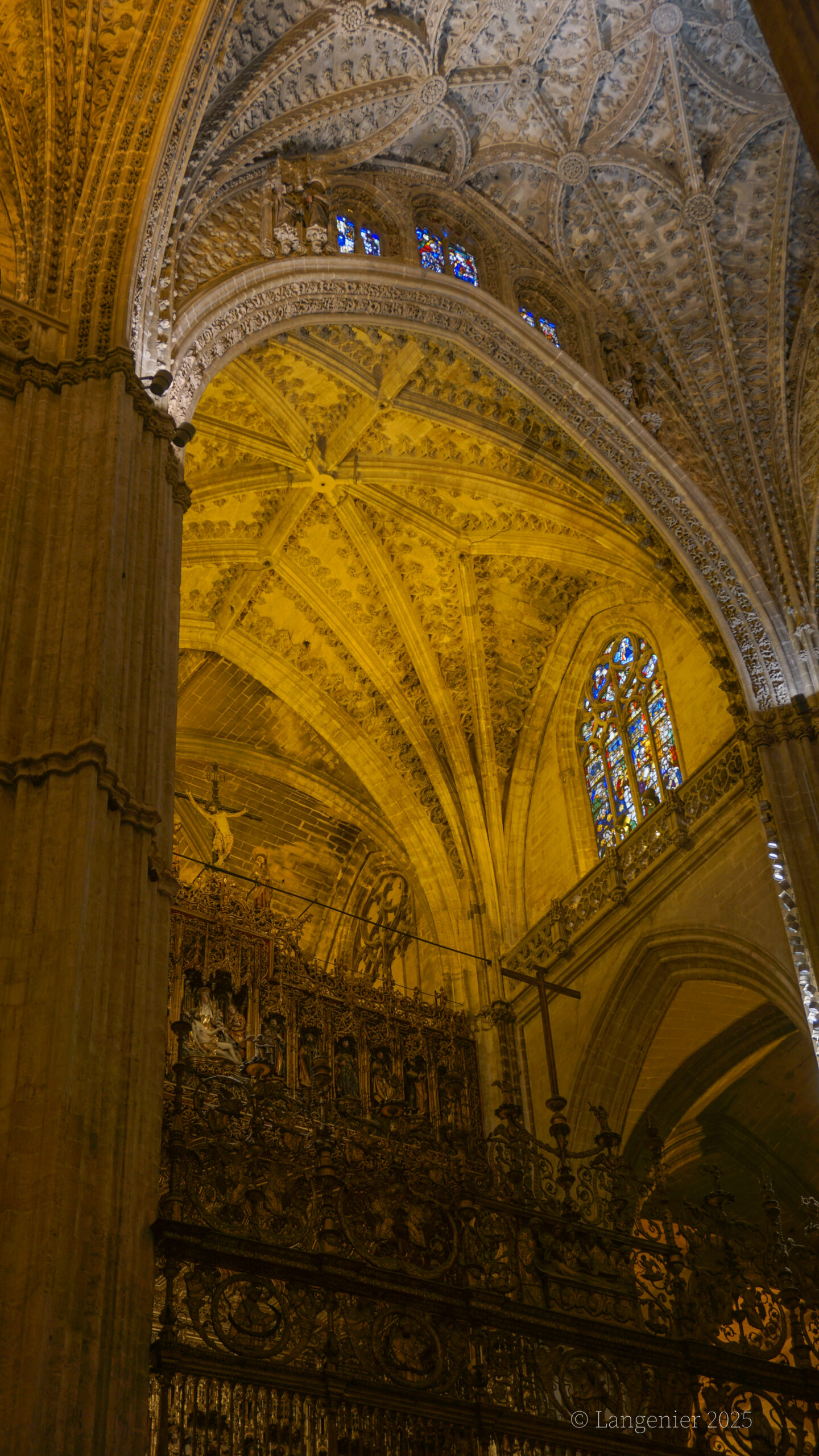
Inside the Cathedral, you’ll be struck by the beauty of its ceilings. Spot the mausoleum of Christopher Columbus, the stunning golden Retablo Mayor with over 200 carved figures, and finish your visit in the tranquil Patio de los Naranjos, a courtyard legacy of the building’s Islamic past. Allow 1h30 for the full visit. (Hours: 11:00–19:00 (Sundays from 14:30). Price for a combined ticket Cathedral + Giralda: €13 online or 7€ for students and over 65). Free entry Sundays at 16:30 (reservation required).
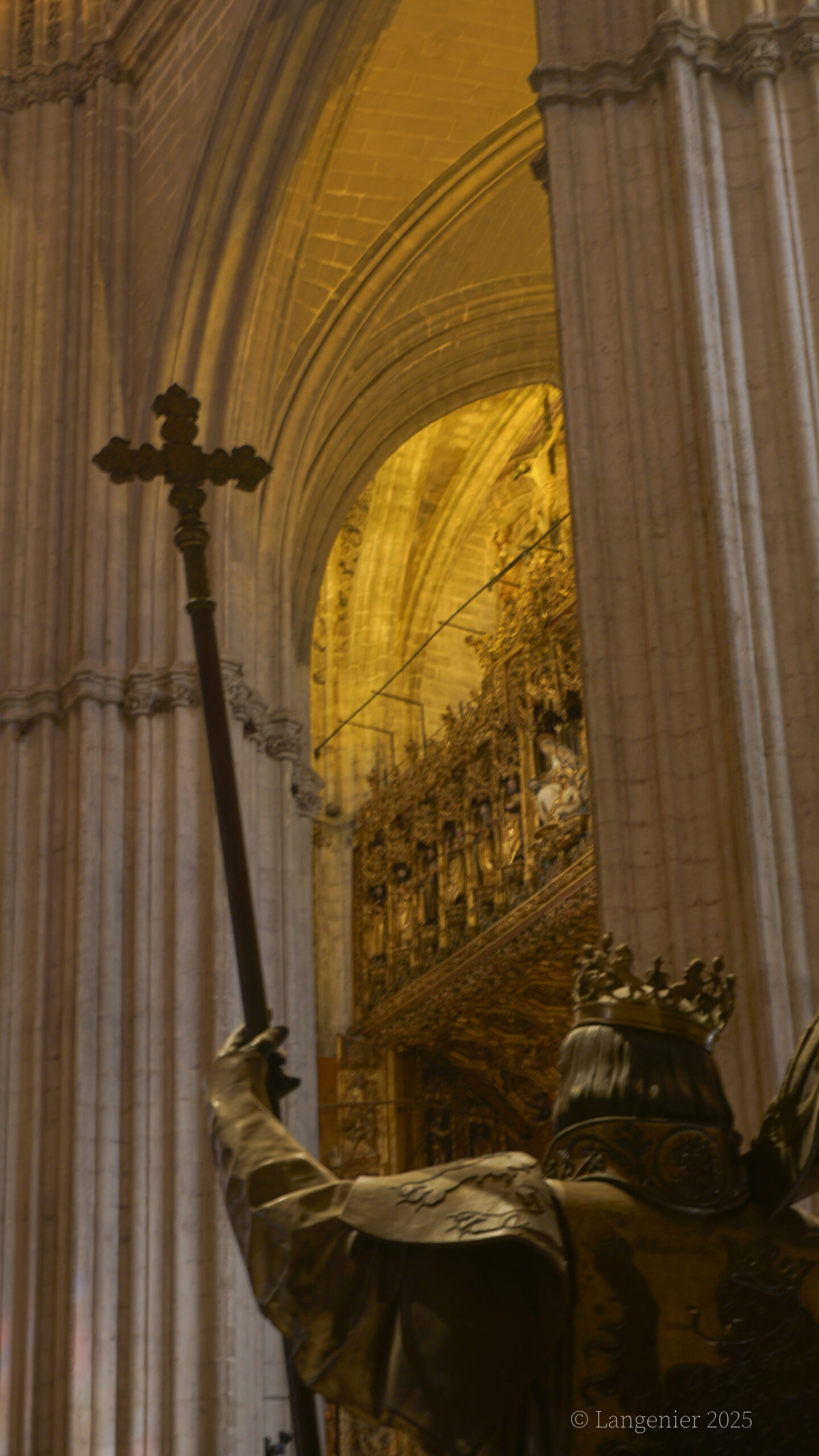
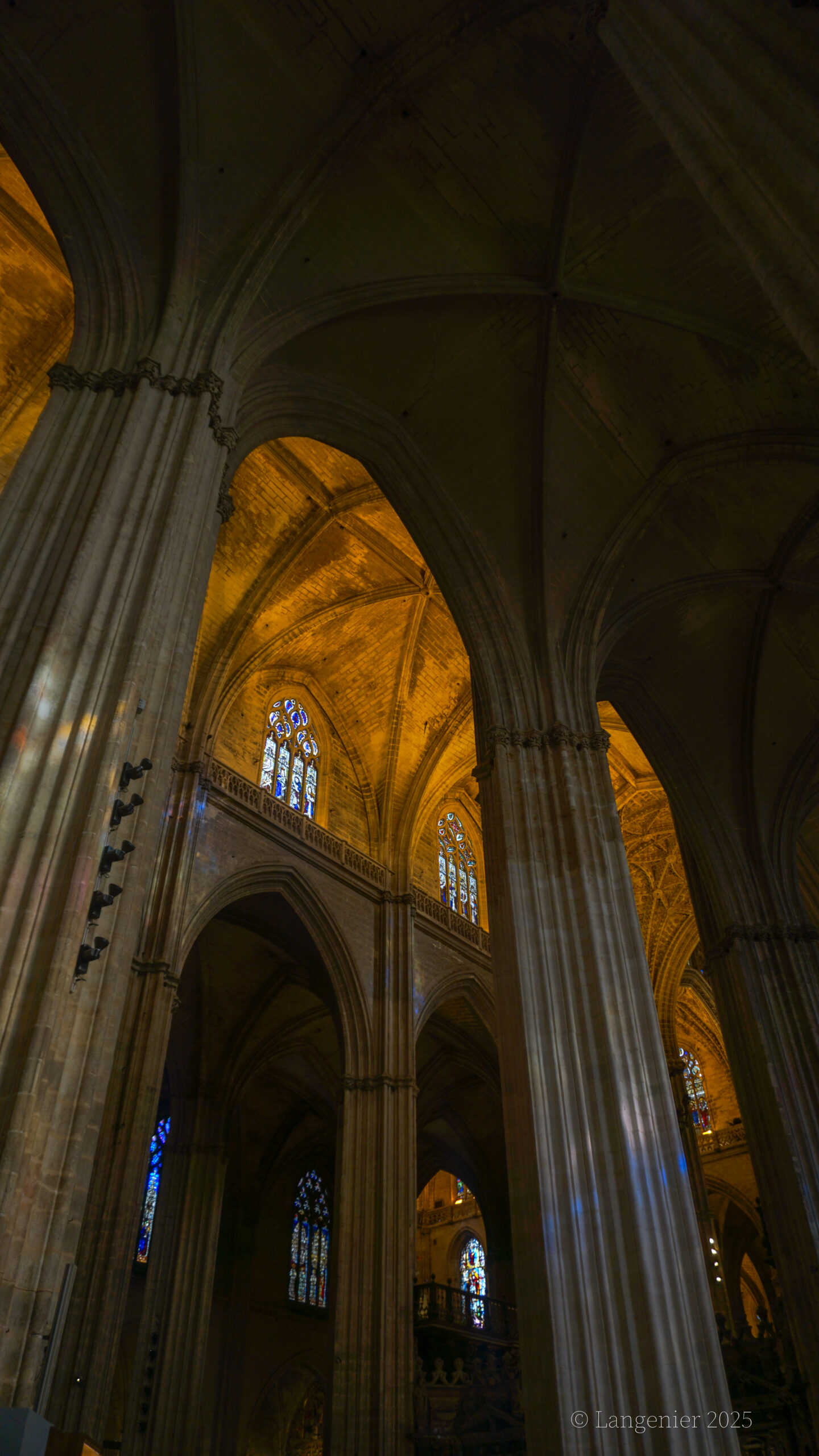
The interior of the cathedral and its lace ceiling — among the most refined and spectacular in the world.
Just across the square, take a short detour to the Archivo de Indias. This UNESCO-listed building holds nearly 7,000 maps, drawings, and documents, including correspondence between Columbus and the Catholic Monarchs. While only researchers may consult the archives, you can still explore the building for free.
For an afternoon treat, head to one of Seville’s convents, where cloistered nuns still prepare traditional pastries and sweets. At the Convento de Santa Inés or Convento San Leandro, ring the bell, place your order, and the sisters will pass your biscuits to you through a wooden turnstile. This is one of the most authentic experience you can have in Seville.
Dinner in Spain starts late — around 21:00 —. Join the locals for a drink and soak up the Andalusian nightlife: enjoy a cold beer at La Cata, where small kegs are served chilled at the table, or settle in at La Juguetería for cocktails on a lively square. And savor your first night in Sevilla !
DAY 2 | KEEP GOING WITH THE LOCAL
Today is all about experiencing Seville like a local. After seeing the city’s main attractions, it’s time to explore its lovely neighborhoods.
Seville grows around the Guadalquivir River, which helped Seville to become of that importance during the Middle Ages. Along its banks lie the Arenal district, near the Cathedral, and across the river, the famous Triana neighborhood, both district that you’ll explore this morning.
Arenal neighbourhood
Arenal is home to several sights worth visiting. First, the Torre del Oro, a historic tower that has served as a watchtower, prison, and warehouse for treasures brought from the Americas, houses today a small Maritime Museum. For a stunning view over Seville, climb to the top of the tower. Entry is free, with donations required (card only). Another must-see is the Plaza de Toros, Seville’s bullring, one of the oldest in Spain. Its striking white-and-ochre exterior stands out against the city. Note that Corrida – the murder of Bulls for the sole attraction of humans – still happens there every summer …
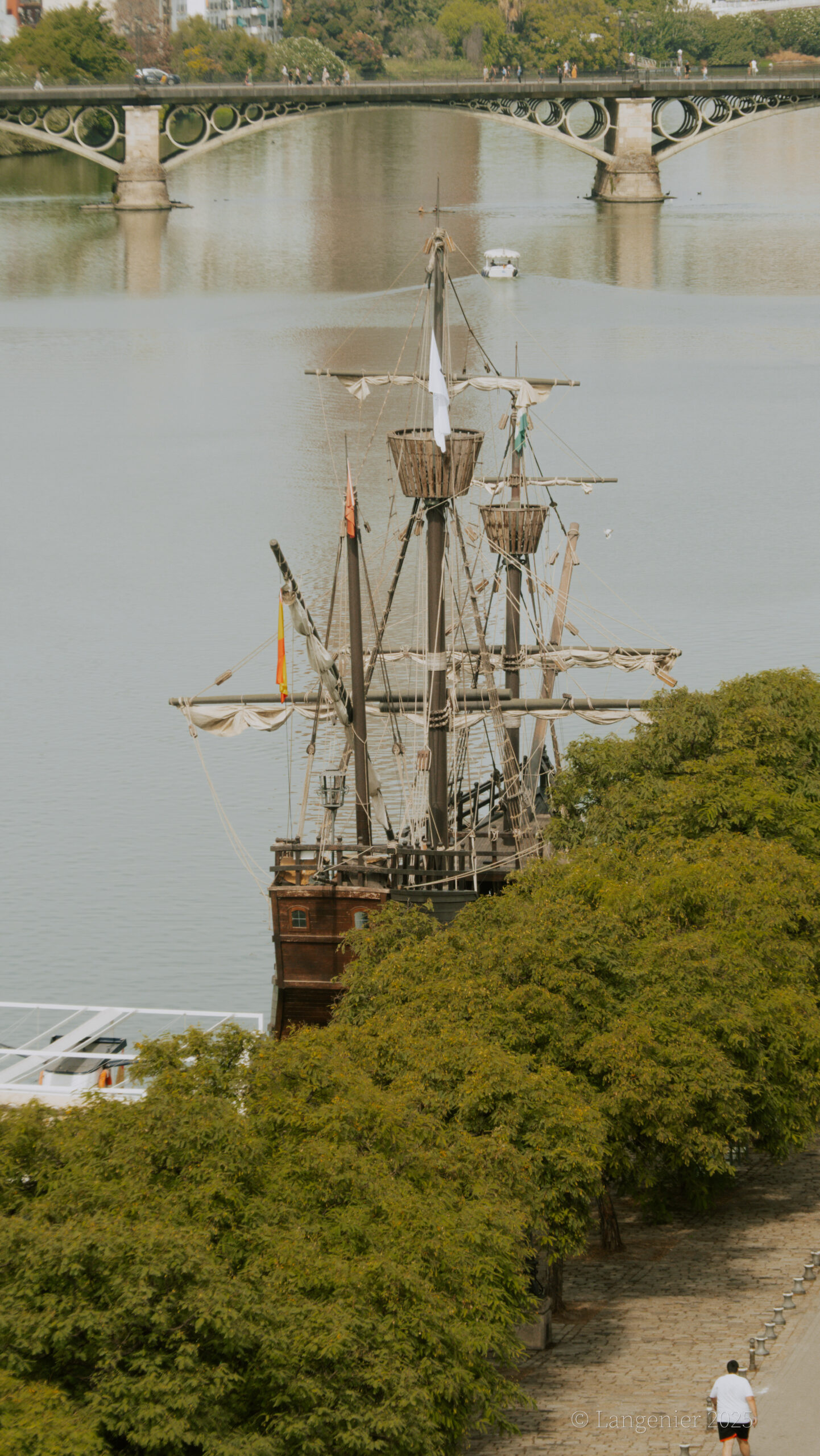
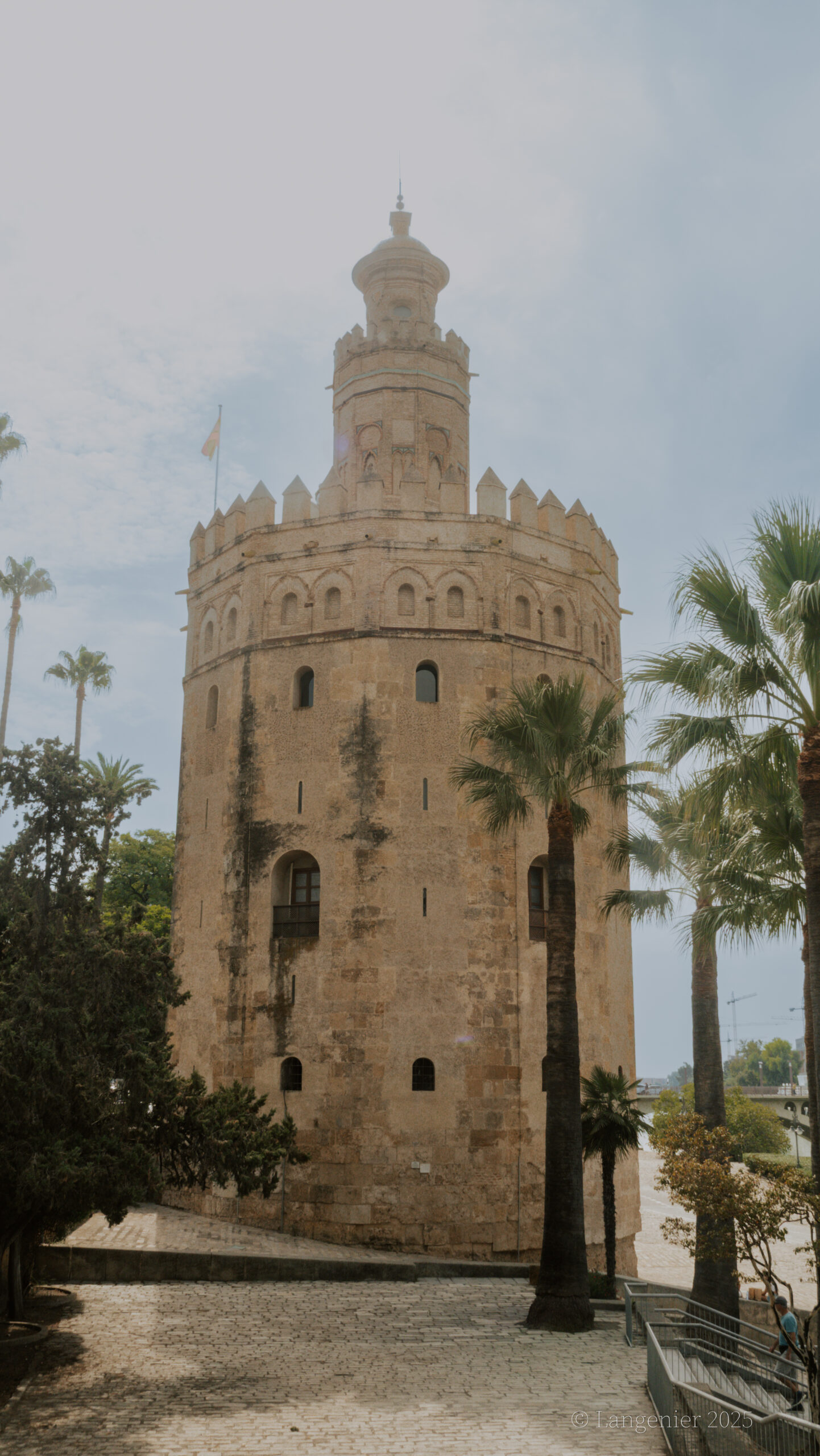
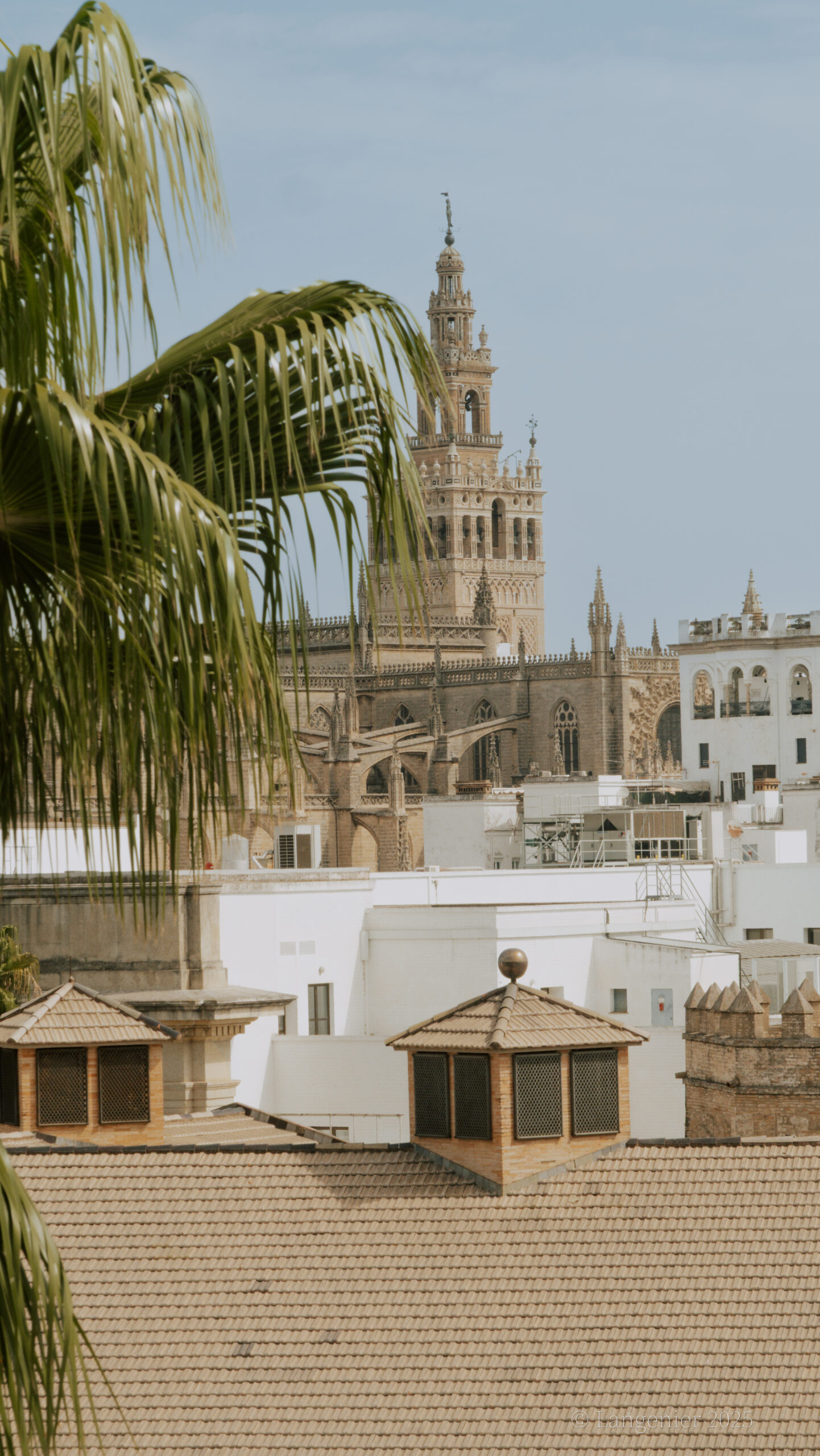
Views from the Torre del Oro (center) overlooking Seville’s famous landmarks and the Guadalquivir River.
Triana neighbourhood
Around midday, cross the Puente de Isabel II to Triana. Start at the Triana Market, an authentic covered market where you can sample traditional Spanish specialties in a local setting — far less touristy than Barcelona’s markets. The produces are fresh and abundant, pastries generous, and prices friendly. And several restaurants inside are perfect for lunch (open Mon–Sat 9:00–15:00).
Triana is also known for its ceramic workshops. You can try your hand at azulejo painting or purchase genuine handmade tiles, far superior to the mass-produced souvenirs near Seville’s main landmarks. With your Alcázar ticket, you can even access the Triana Ceramics Center for free, to learn more about the neighborhood’s history and its ceramic tradition.
Don’t miss Calle Betis, offering one of the city’s best views of the Guadalquivir River, the Arenal district, and the colorful riverside houses of Triana.
Plaza de España
Head across the river to the University district, shaped by the 1929 Ibero-American Exposition, which created the magnificent Parque de María Luisa, Seville’s 38 hectare green-lung, and the iconic Plaza de España. On the way, pass the University of Seville, formerly the Royal Tobacco Factory, once producing two-thirds of Europe’s cigars and still Spain’s second-largest building.
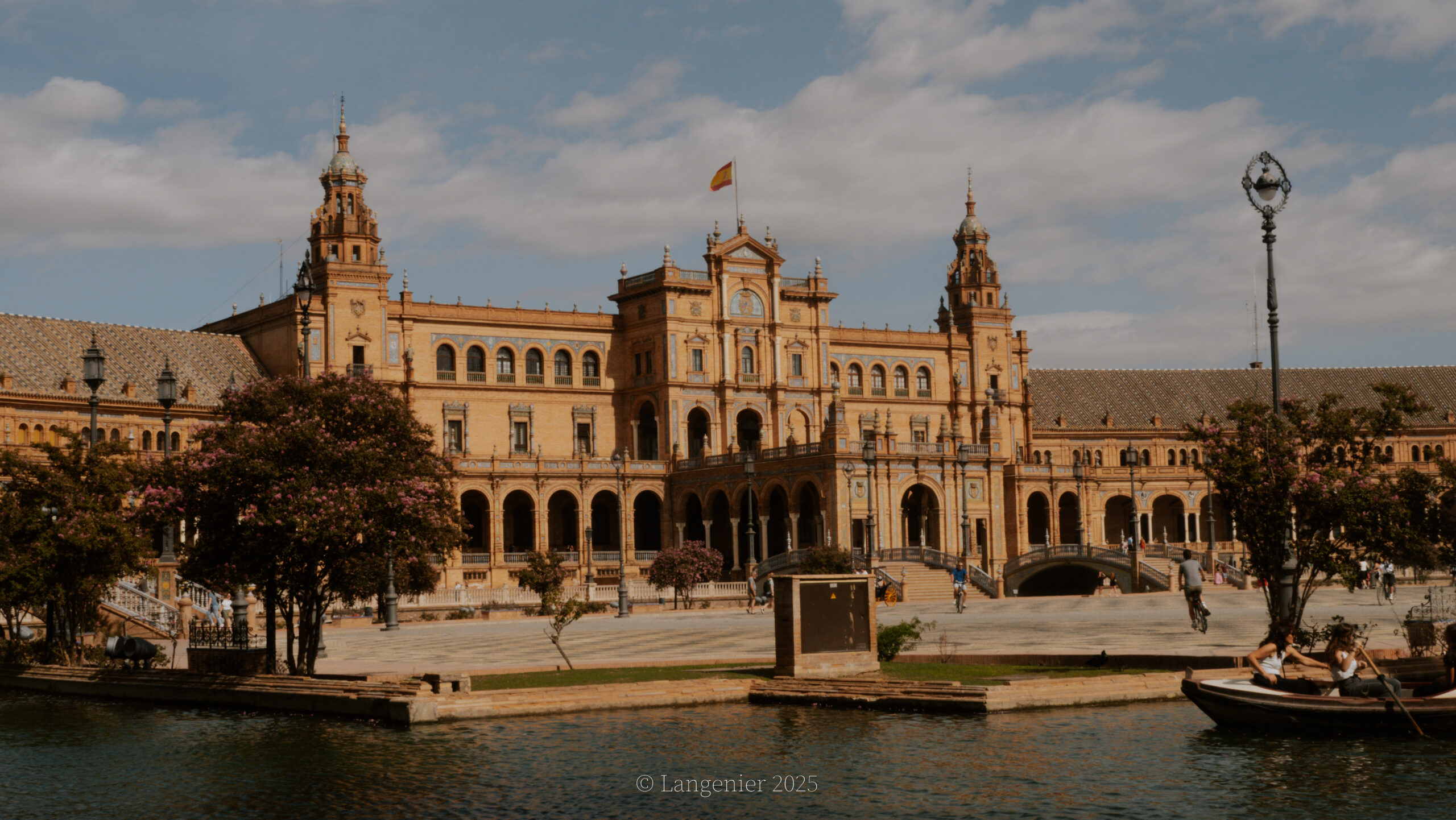
At Plaza de España, admire the 200-meter semicircle lined with 48 tiled benches representing each Spanish province, crossed by four bridges symbolizing the old kingdoms of Spain. Rent a small rowboat on the canal (from €6) or enjoy flamenco dancers performing under the main arcade. You can stay there to enjoy sunset, when the golden rays reflect on the red brickwork of the Plaza. It’s just magical.
DAY 3 | FINISH WITH LOCAL GEMS
Start your morning like a true Sevillian with café con churros at Bar El Comercio, a beautifully preserved traditional café, favorite among locals & tourists.
Palacio de la Condesa de Lebrija
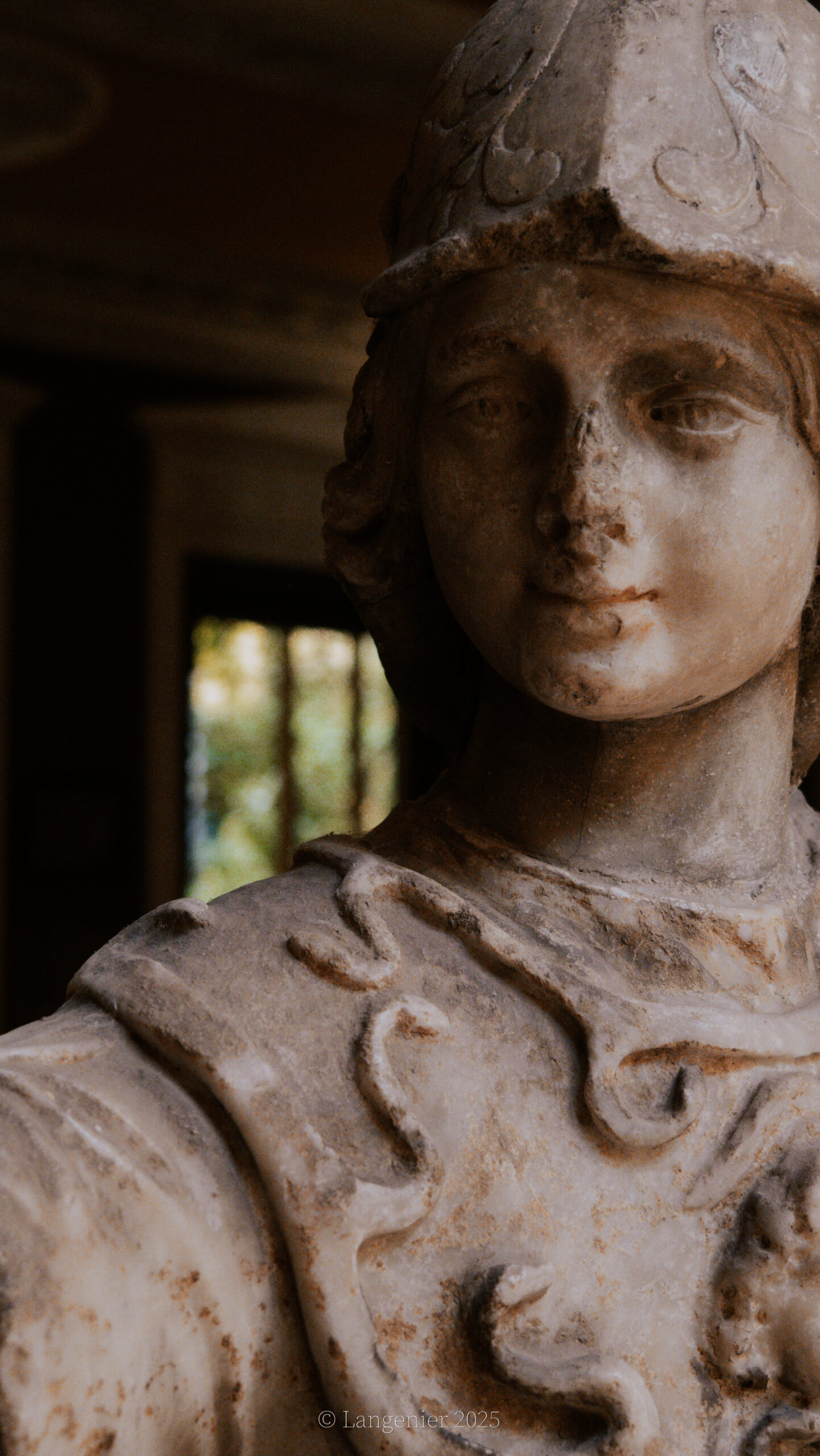
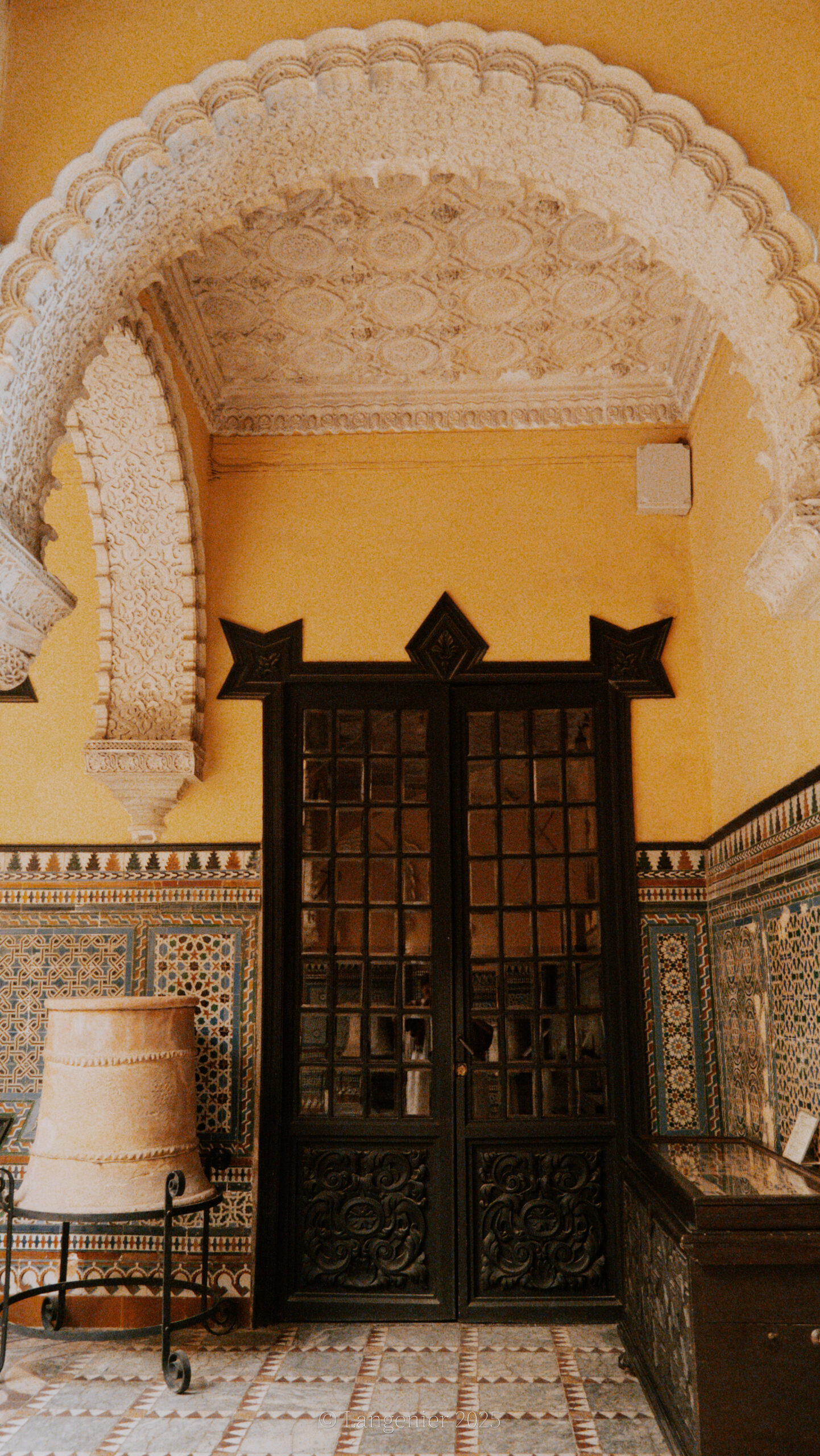
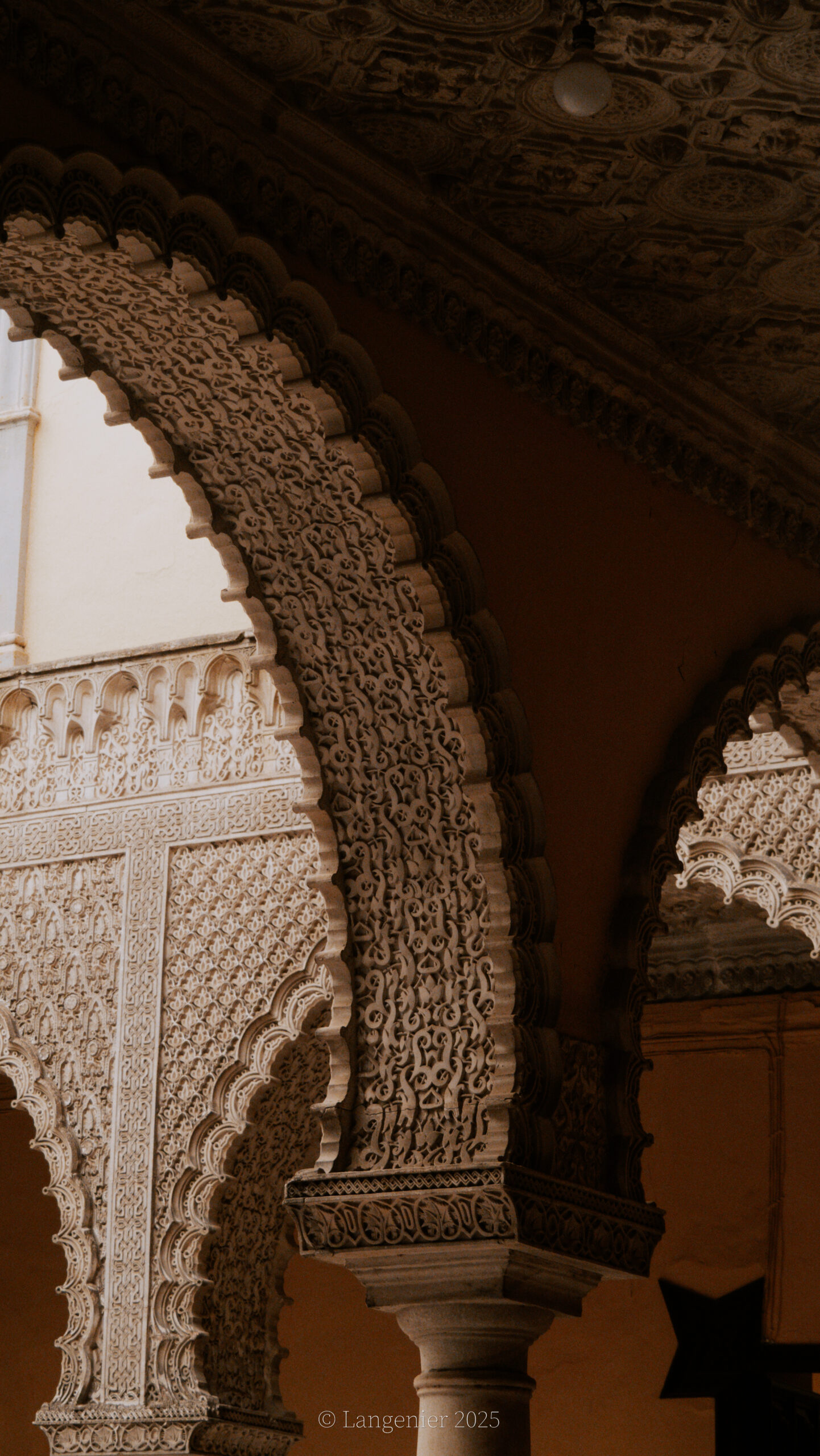
Next, head to the heart of Seville’s Centro district, where grand buildings hide fascinating treasures. Begin with the Palacio de la Condesa de Lebrija, completely renovated in the early 20th century by the Countess herself. Inside, Roman mosaics from the ancient city of Italica sit alongside intricate patio azulejos, creating a unique blend of history and art. Entry to the ground floor is free on Friday mornings at 10:00 (limited quota), while a guided tour of the upper floors costs €10. The palace is open daily from 10:00–18:00.
Museos de Bellas Artes & Las Setas
By late morning, visit the Museo de Bellas Artes, a hidden gem that rivals Madrid’s Prado, yet remains largely off the tourist radar. Housed in a former convent, its stunning rooms — especially the old church — showcase Spanish Golden Age paintings, works by Goya and Velázquez, and an impressive collection of Flemish art. Don’t miss the green courtyards, ideal for a midday pause. Entry is free for EU citizens (€1.50 for others), open 9:00–21:00 (Sundays 9:00–15:00), closed Mondays.

For lunch, the area around the museum has excellent options. Barra Baja offers inventive Mediterranean cuisine prepared in front of you, while Cayetana highlights classic Andalusian dishes.
The afternoon is yours to explore at your own pace. You can make your way to the Metropol Parasol, inaugurated in 2011, a striking wooden structure rising 28 meters high. Locally nicknamed Las Setas (“the mushrooms”), it offers panoramic city views from the top, a market with fresh produce at ground level, and some Roman ruins in the basement. If your visit falls on a Monday, consider exploring two other Seville palaces: the Palacio de las Dueñas (free entry from 16:00, otherwise €10), with its beautiful patios and historic interiors, or the Casa de Pilatos, a must-see for its blend of Gothic, Renaissance, and Mudéjar architecture (free entry from 15h to 17h30).
Flamenco representation
As evening falls, experience Seville’s most memorable spectacle : flamenco. Book in advance at Casa de la Memoria, just steps from Las Setas. This intimate venue offers an authentic tablao experience, where singers, musicians, and dancers perform with passion and energy — it truly feels like witnessing friends practicing their art together. Tickets cost €22, with three shows each evening.
Finish your final night in Seville with dinner at Cava Bar “Vinos & Tapas”, a gastrobar serving creative tapas: think strawberry salmorejo or crispy shrimp with wasabi, all paired with an excellent wine selection. A perfect ending to three days of exploring the city’s history, culture, and flavors.
BEST HOTELS IN SEVILLA
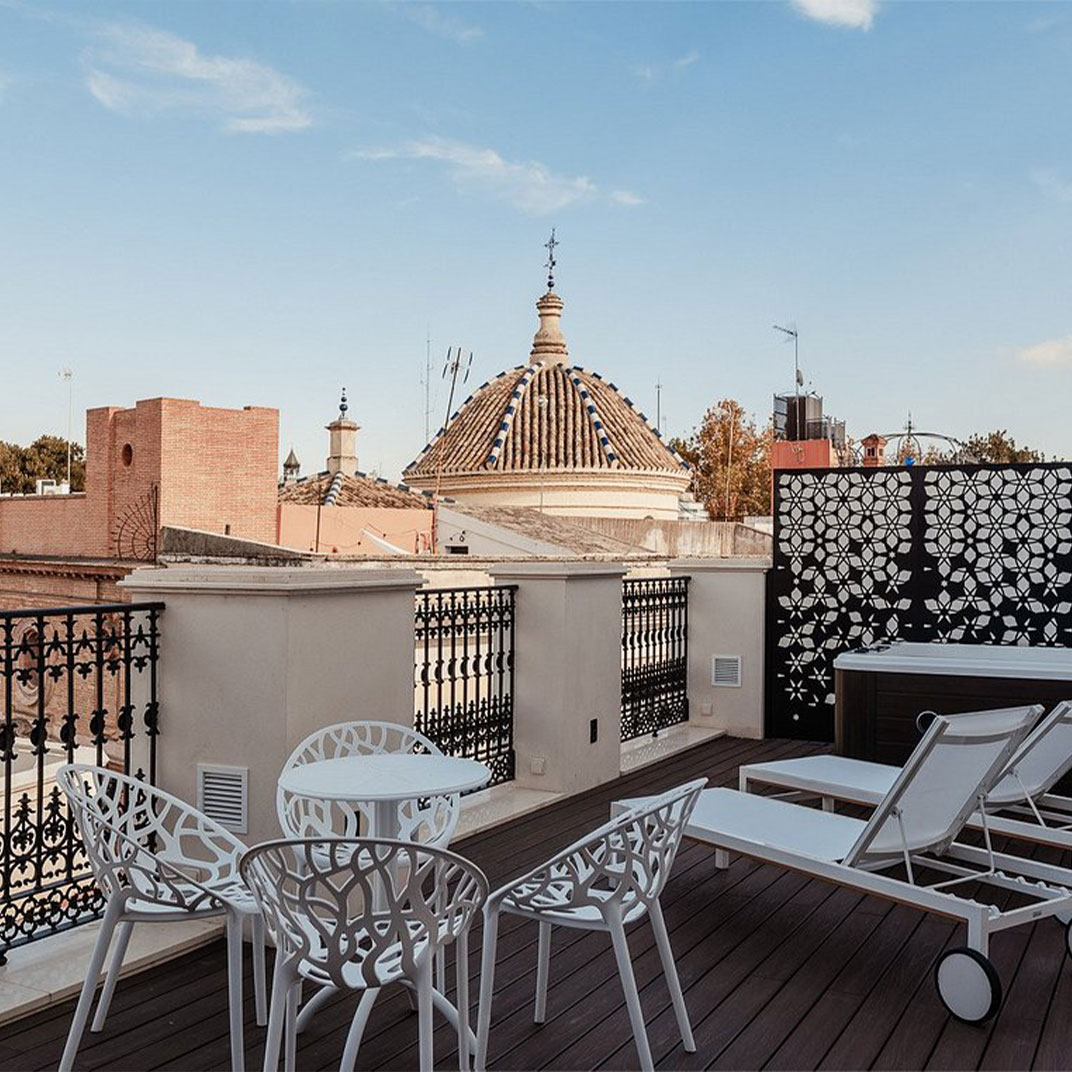
Seville is home to some of the finest boutique hotels in the country: deeply rooted in tradition, infused with a touch of modernity, and offering an intimate, personalized experience. If you’re looking for a place to stay in Seville, I’ve written a full article featuring my selection of the 5 best boutique hotels in Seville — for every need and every budget.
BEST RESTAURANTS & COFFEES IN SEVILLA
BREAKFAST & COFFEE | To start your day like a true Spanish, try pan con tomato: a bread roll sliced in half, lightly toasted, and topped with fresh tomato purée, a sprinkle of salt, and a drizzle of olive oil. You can also add a slice of Iberian ham for extra flavor. If you’re more into sweet things, go for a churros con chocolate — often enjoyed on weekends or special occasions – it’s a rich, thick hot chocolate served with freshly made crispy churros.
In Seville, some of the best breakfast spots include Bar El Comercio, a traditional café loved by both locals and tourists for over a hundred years; Casa Moreno, a standing-room-only coffee perfect for a quick bite; and Café Otto, with its lovely sunny terrace. For specialty coffee, I highly recommend La Gata en Bicicleta, known for its delicious homemade pastries, and Syra Coffee, with 3 spots in Sevilla.
LUNCH BREAK | In Andalusia — and Spain in general — la comida (lunch) is usually eaten between 2:00 and 4:00 PM. However, since Seville is a tourist-friendly city that adapts to everyone’s schedule, you’ll easily find great lunch options whether you eat at 12 PM or 2 PM. You can start with a lighter dish such as gazpacho (cold tomato soup), tortilla española (Spanish omelette), or pimientos del padrón (fried green peppers). For the main course, go for paella (though it’s more traditional in Valencia than Seville), pescado frito (fried fish), or flamenquín (a ham and pork roll). And to finish, try a flan, natillas (a creamy custard), or simply enjoy a small coffee (cortado).
My lunch recommendations for Seville include : El Pintón, offering creative tapas and a fine wine list in a stylish setting; Cayetana, a friendly restaurant that showcases classic Andalusian dishes (open from 1 PM); and Casa Manolo León, featuring one of Seville’s most beautiful flower-filled patios (booking in advance is recommended for the Calle Guadalquivir location) and an excellent tapas menu.
FANCY DINNER | Dinner in Spain starts late — usually around 9 PM — and is often lighter than lunch. You might want to opt for a selection of tapas to share, paired with a glass of wine such as Jerez from Cádiz, Montilla-Moriles from Córdoba, Ronda wines, or even a glass of Cava, Spain’s sparkling wine.
If you’re in the mood for a more refined tapas experience, I couldn’t recommend Cava Bar “Vinos & Tapas” more — a gastrobar serving creative bites like strawberry salmorejo or crispy shrimp with wasabi, all beautifully paired with an excellent wine selection. Seville also houses two Michelin-starred restaurants: Abantal, offering contemporary Andalusian cuisine where traditional flavours are reinterpreted with technical finesse, and Cañabota, a seafood-focused restaurant with an open kitchen where you can choose à la carte or enjoy a tasting menu (I loved this one).
![THE BEST BOUTIQUE HOTEL IN SEVILLE [2025]](https://langenier.com/wp-content/uploads/2025/10/Best-Boutique-Hotel-Seville-langenier.com-travel-blog-Puerta-Catedral-Apartments-4.jpg)
One Comment