PLACES IN PARIS THAT DON’T FEEL LIKE PARIS
Paris is often imagined as a city of wide avenues lined with Haussmann-style buildings, French-style parks, boulevards dotted with prestigious boutiques, and grand historic squares. Yet the capital is also home to neighbourhoods, streets, and hidden corners that stray far from this classic image. Beyond the usual Parisian clichés, some spots feel so unlike what we picture when we think of Paris that stepping into them can feel like crossing into another country entirely, without ever leaving the city.
These unexpected corners actually tell a different story of Paris — one shaped by successive waves of immigration, visionary urban planners, reclaimed industrial wastelands, and working-class districts that Haussmann’s grand renovations largely bypassed. Here you’ll find alleyways that could pass for a Provençal village, covered passages that evoke Southeast Asia, blossom-covered lanes worthy of a Normandy hamlet, and repurposed industrial zones that look like they were airlifted straight from Berlin or London.
It’s precisely these contrasts — often overlooked by hurried tourists chasing only the Eiffel Tower and the Champs-Élysées — that give Paris its real texture: a mosaic of miniature worlds tucked inside a single city.
So here are a few places in Paris where you won’t feel like you’re in Paris at all.
PARIS OVERVIEW
WHERE | Paris, France
GETTING THERE | Train, international & domestic airport, bus
GETTING AROUND | Walk, Tram, Metro, Bus, Train, Car Rental
TOP MUSEUMS | Louvre, Orsay, Orangerie
WHAT TO EAT | Croissant, Baguette, Pain au raisin, Boeuf Bourguignon, Coq au Vin, Onion Soup, Tarte Tatin, Macarons, Tarte aux fraises, French wine, Champagne
BEST TIME TO VISIT | All year around. I personally love May, June & October
CURRENCY | Euros €
ILE AUX CYGNES | A little piece of New York
An artificial strip of land built in 1827 in the middle of the Seine, this island is only 850 metres long and 11 metres wide, yet it is very popular with sports enthusiasts thanks to its many outdoor facilities. The island also attracts curiosity because it is home to an 11.5 metre-high replica of the Statue of Liberty at its southern end. Smaller than the one in New York (46.50 metres), it was donated by the Committee of Americans in Paris and inaugurated on 4 July 1889 – American Independence Day – on the occasion of the Universal Exhibition in Paris and the centenary of the French Revolution.
RUE SAINT-BLAISE | A hint of a peaceful French village
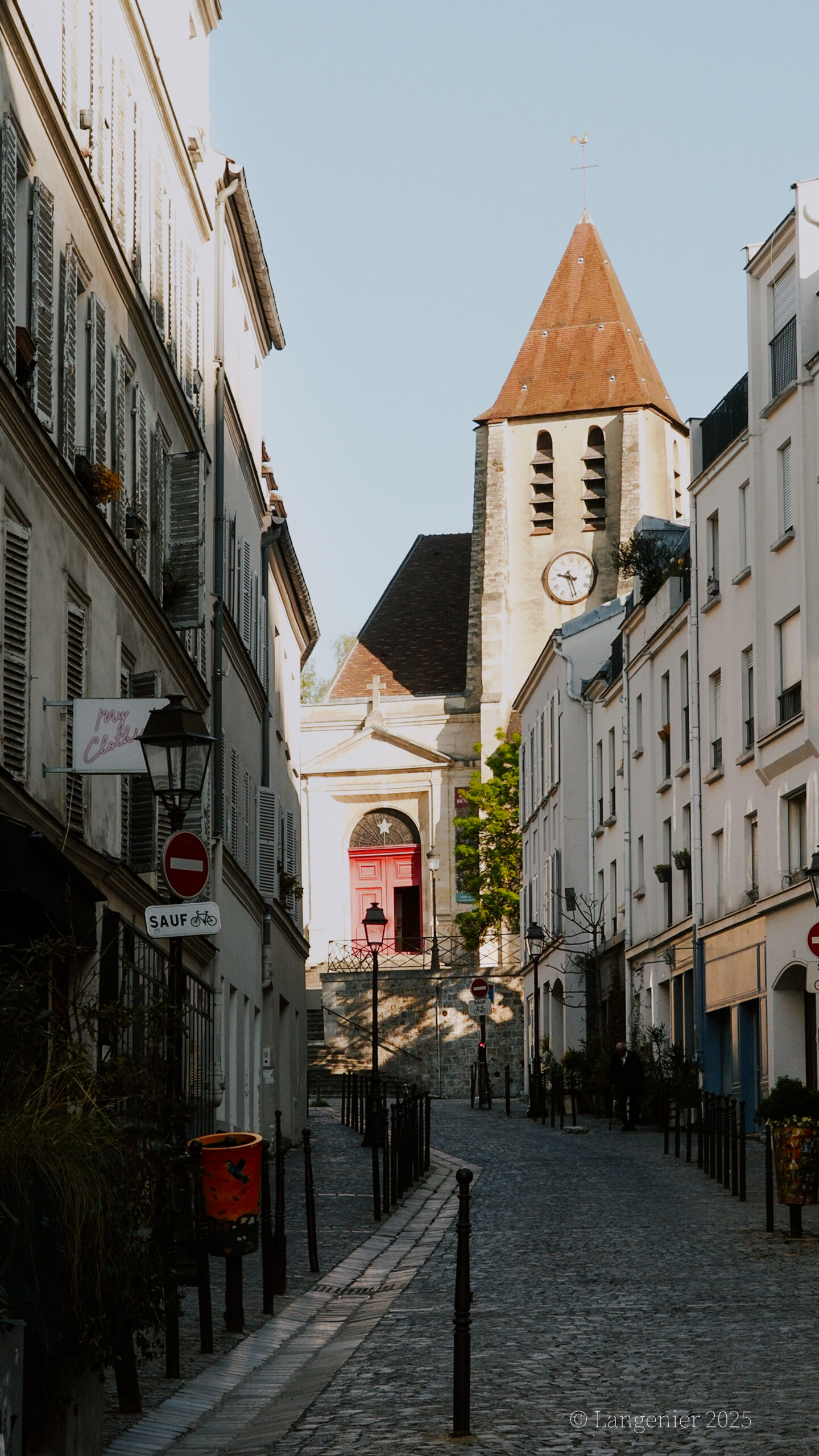
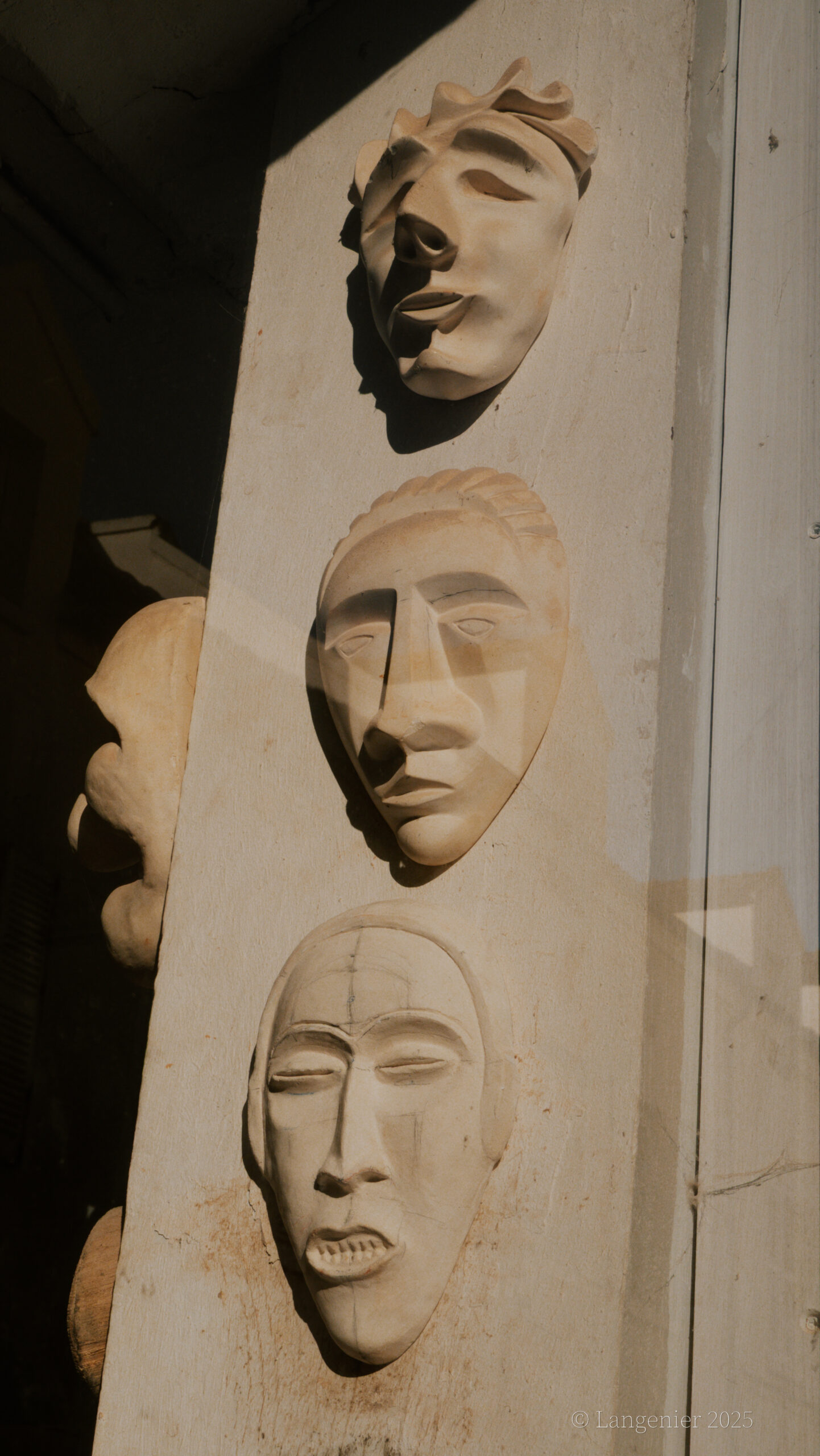
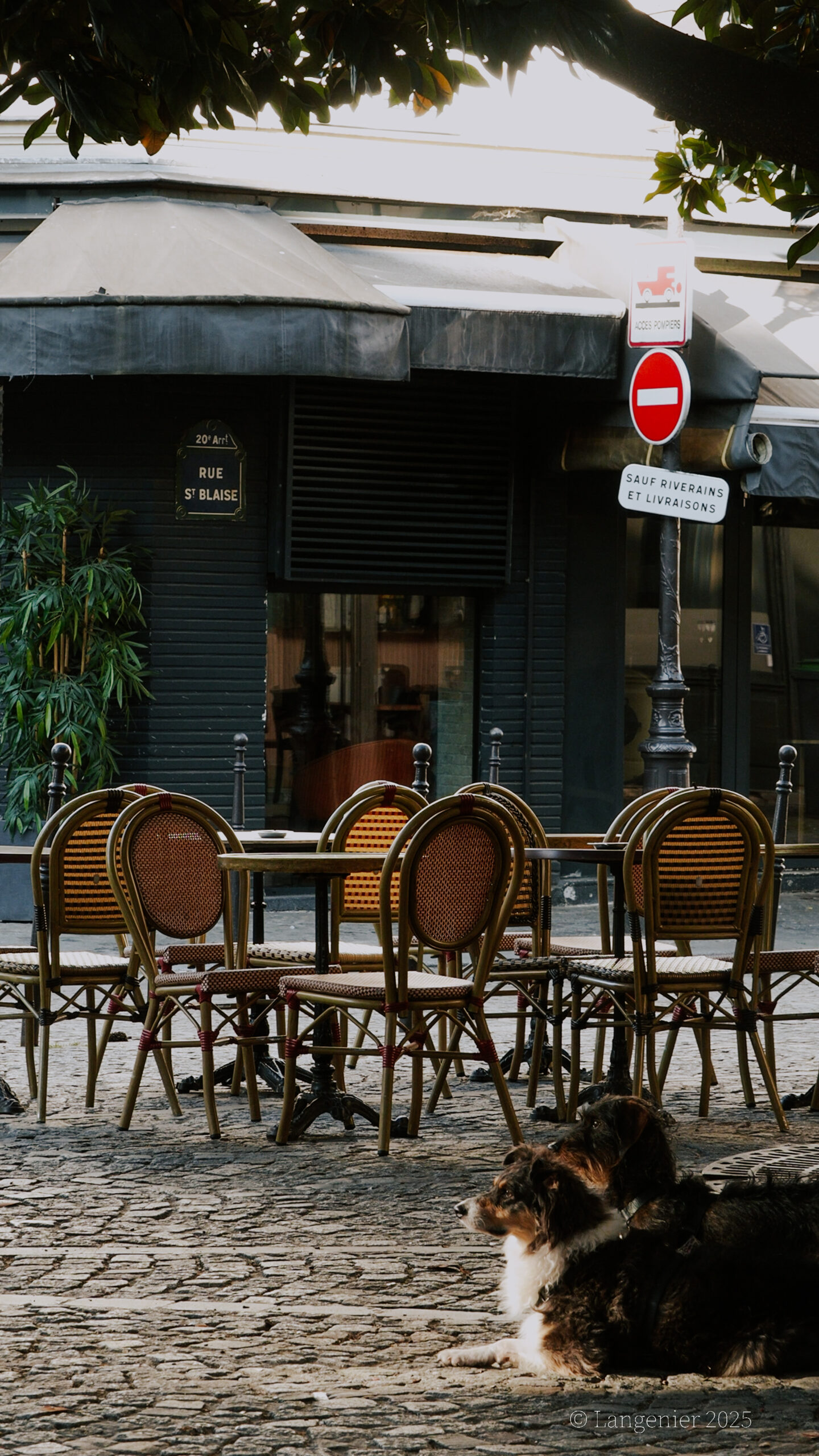
Rue Saint-Blaise is one of the last remaining examples of rural Paris. It was, until its annexation in 1860 to Paris, located in the heart of the village of Charonne, a rural area on the outskirts of the city, popular with wealthy Parisians who appreciated its countryside landscapes and hillside location. The cobbled pavement and the artists’ and potters’ shops and small cafés that line it accentuate the street’s unusual character, with a superb view of the Church of Saint-Germain de Charonne, listed historical monument at the end of the street. According to legend, the Chuch was built in 430 at the site marking the meeting of Saint Germain and Sainte Geneviève, the future patron saint of Paris. Devastated by successive fires, it has retained its 13th-century bell tower and parish cemetery, the last in Paris along with the Church of Saint-Pierre de Montmartre.
RUE CREMIEUX | A touch of Notting Hill, London
Tucked away in a small street in the 12th arrondissement is Rue Crémieux. Named after politician Adolphe Crémieux, who was behind the 1870 decree granting French nationality to Jews from Algeria, this street is famous for its being the most colorful of Paris. Built in the style of 19th-century workers’ housing—with two floors, six rooms, and a kitchen in the basement—it was originally occupied by wealthy workers. In 1993, the decision was taken to pedestrianise the street, done at the request of its residents, but only on the condition that they renovate their façades. Some residents first painted their homes in soft pastel tones before opting for the vibrant, eye-catching colors seen today, adorned with abundant plants and flowers. evoking the charm of London’s Notting Hill neighbourhood.
When visiting, please respect the peace of those who live there.
THE GREAT MOSQUE OF PARIS | An immersion in Moroccan culture
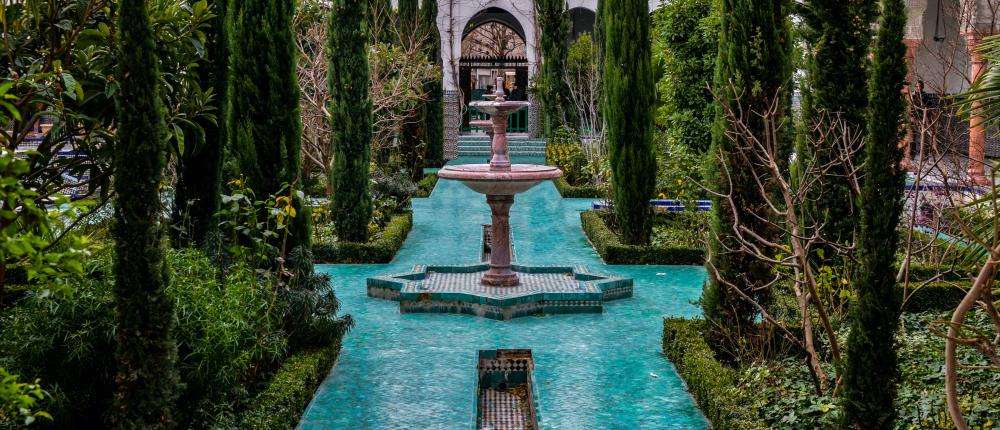
The Grande Mosquée de Paris, built between 1922 and 1926 in the Latin Quarter, is renowned for its Spanish-Moorish architecture and its striking 33-meter minaret. For a small entrance fee of €3, you can step into its courtyard, inspired by the Alhambra in Granada and surrounded by finely decorated arcades — particularly stunning in spring when the wisteria blooms, filling the garden with fragrant flowers. You can even enjoy a cup of tea on site, for a few euros, enjoy a hamman, visit the prayer hill, richly decorated and adorned with sumptuous carpets, or browse in the shop, which look like an oriental souk. For those interested in history, guided tours are available, revealing fascinating stories such as the mosque’s courageous role from 1940 onwards, when it provided shelter to Jews fleeing persecution, thanks to the brave actions of its founder, Si Kaddour Benghabrit.
PASSAGE BRADY | A taste of South-West Asia
One of the most exotic places in the capital, the Passage Brady, opened in 1828, has stood the test of time despite damage and fires. Since the 1970s, it has become the heart of Indian, Pakistani and Sri Lankan culture in Paris. It’s a real invitation to travel to Asia in the heart of the capital, where you can admire the colourful shop windows offering incense, traditional treatments, clothing and exotic foods from India, Pakistan, Mauritius and Réunion. The air is perfumed with a mixture of spices, sold or cooked in the many restaurants. You can also sit inside or on the terraces to enjoy a Madras curry at an affordable price.
*
If you are looking for places that are a little off the beaten track in Paris, I invite you to discover 3 Parisian Museums that are often overshadowed by the more famous ones — but which are definitely worth a visit for the beauty of their setting, the depth of their collections & the stories waiting inside.
![WHERE TO STAY AROUND PARIS [BEST AREAS]](https://langenier.com/wp-content/uploads/2026/02/Airelles-Chateau-de-Versailles-Le-Grand-Controle-where-to-stay-around-Paris-what-to-see-around-Paris-best-day-trips-from-Paris-langenier.com-travel-blog-4.png)