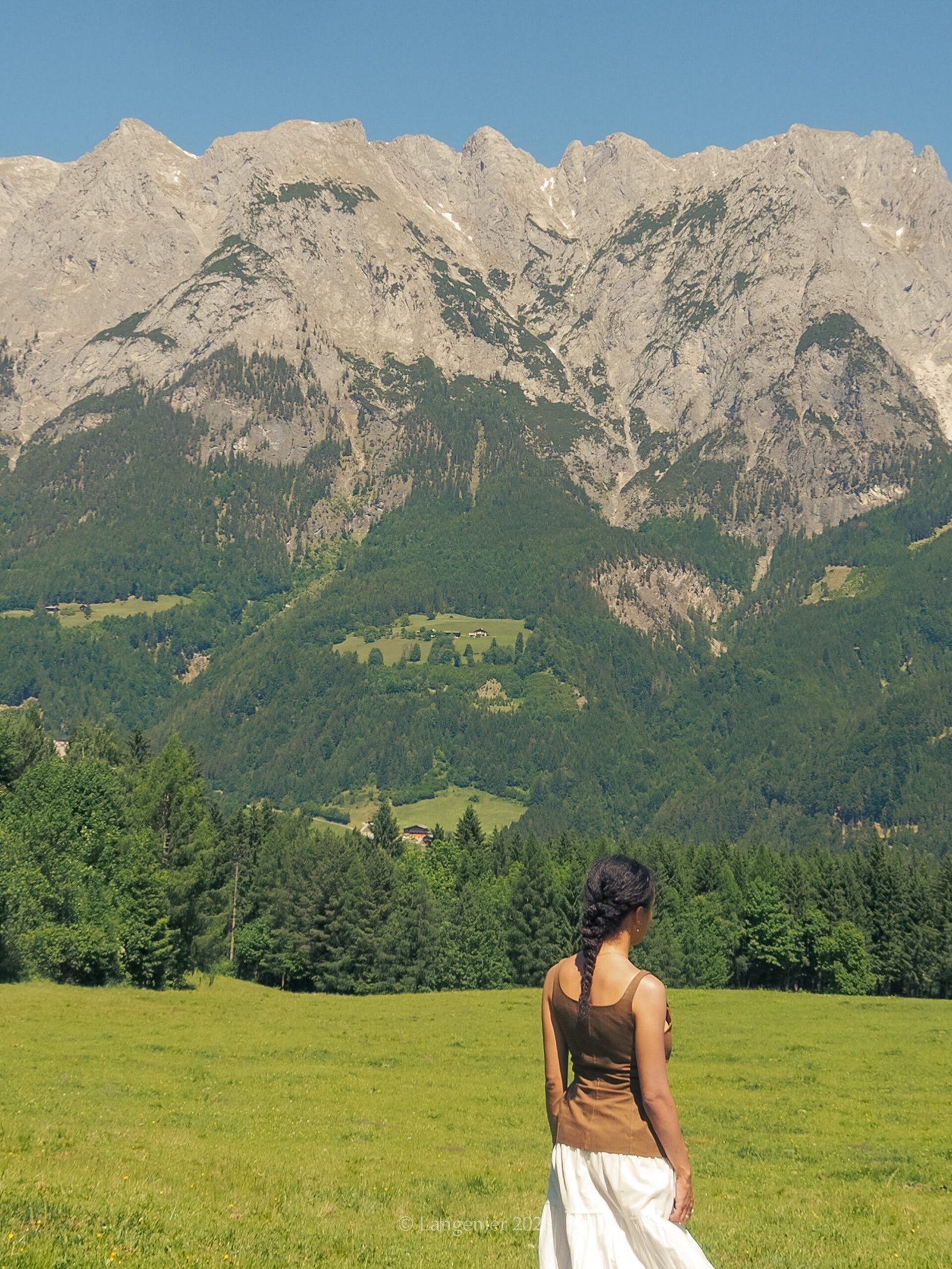
A GUIDE TO BAMBERG, A GEM IN THE GERMAN BAVARIA
Bamberg is a rare fusion of medieval and baroque architecture, stitched together with a distinctly Franconian character. Nearly 2,300 historic monuments dot the city — a density that earned it a place on the UNESCO World Heritage list. And remarkably, Bamberg was spared the destruction that devastated so many of its neighbors during World War II, so its historic center survives today almost exactly as it was.
Wandering through Bamberg on a sunny March afternoon, I was struck by how alive the city felt — locals and students spilling into the cobbled streets, drawn out, it seemed, by the first real warmth after a long, hesitant winter. The old heart of the city, with its narrow lanes lined by antique shops, wound past the imperial cathedral, baroque townhouses, and grand historic facades, and it all seemed to pulse with that easy, sun-soaked energy.
Here’s everything to discover on your stay in Bamberg.
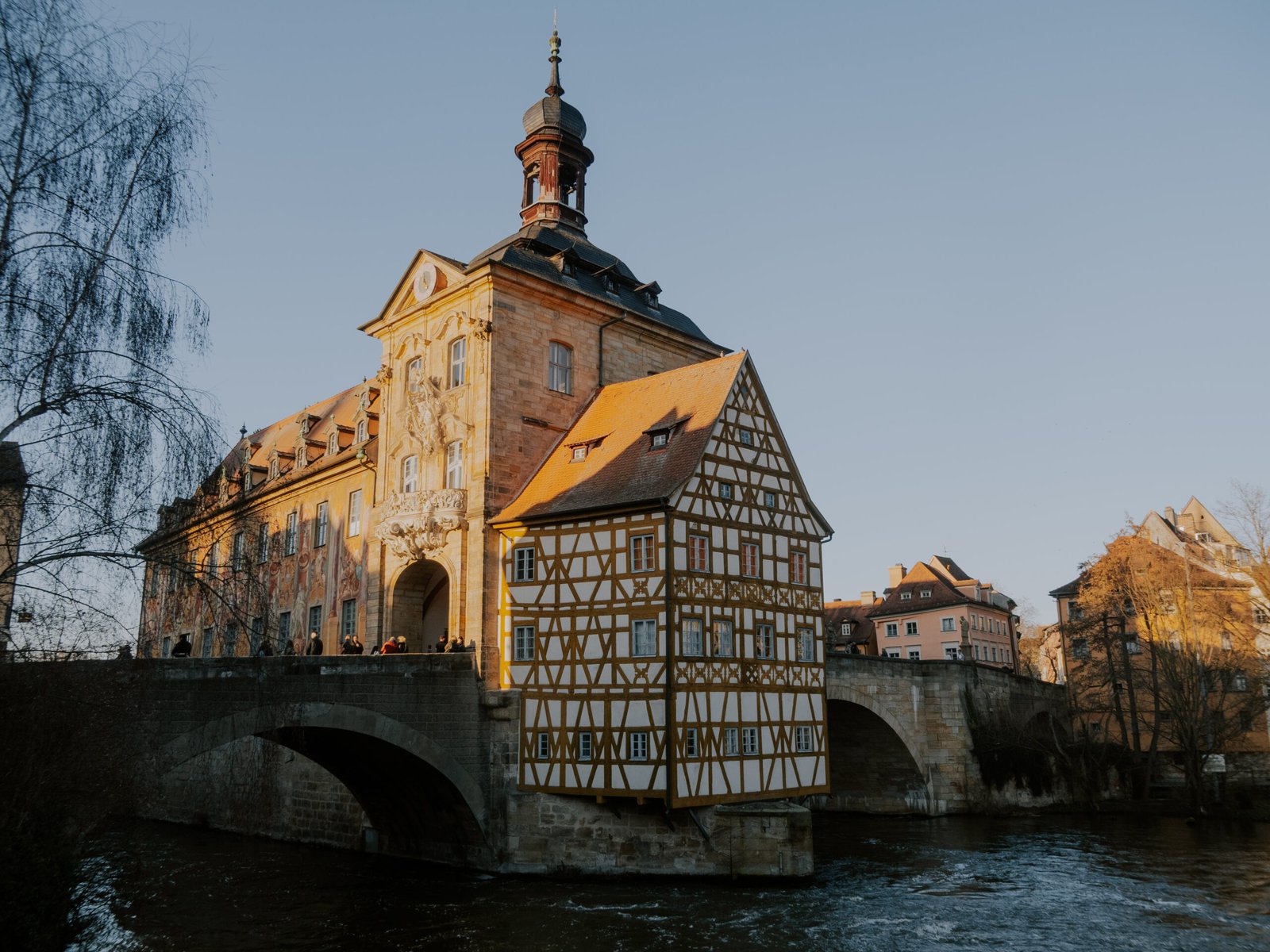
BAMBERG OVERVIEW
WHERE | Bamberg, Bavaria, Germany
GETTING THERE | Regional & Fast train, car
GETTING AROUND | Walk, Bus, Bike
TOP THINGS TO SEE | Altes Rathaus Klein Venedig Bamberg Cathedral Alte Hofhaltung Neue Residenz
WHAT TO EAT | Rauchbier (Smoked Beer), Bamberger Hörnla (croissant), Bamberger Zwiebel (onion dish), Franconian sausages, Geschnittene Hasen (biscuits)
BEST TIME TO VISIT | April to late October, with a peak season in August during the Sandkerwa Festival
CURRENCY | Euros €
GETTING TO BAMBERG
- By train : from Munich, the journey takes about 2 hours, usually with a connection in Nuremberg. Prices start at around €15, but I strongly recommend using the Deutschlandticket if you plan to explore Bavaria and stay in Germany for more than a week. From Frankfurt, the trip takes just over 2 hours with a connection in Würzburg. Bamberg is also served by ICE high-speed trains, making it possible to reach the city from Berlin in under 3 hours.
- By car : the drive from Munich takes around 2.5 hours, and about 40 minutes from Nuremberg.
A QUICK DIVE INTO BAMBERG’S HISTORY
Bamberg is first mentioned at the beginning of the 10th century. In the 11th century, Emperor Henry II and his wife Cunigunde of Luxembourg established it as a major religious center by founding the diocese in 1007. Construction of Bamberg Cathedral began during this period. In the 16th and 17th centuries, the city was ruled by prince-bishops who commissioned numerous Baroque buildings, including the famous Altes Rathaus, situated in the middle of the Regnitz River. In 1803, Bamberg became part of the Kingdom of Bavaria.
The city was largely spared from the bombings of World War II, unlike Würzburg, whose historic center was largely destroyed. As one of the guides at the Neue Residenz explained to me, several explanations exist : some cite the presence of a nephew of Winston Churchill who was studying in the city, others say that Cunegunde protected Bamberg; a plaque on the Altes Rathaus alludes to this symbolic idea. But the most likely explanation is strategic: unlike Nuremberg or Munich, Bamberg was not a major center of the Nazi regime; a letter from a high-ranking British officer has been found indicating that the city was not to be destroyed. Even so, I must admit that the legend of Cunegonde remains the most beautiful.
MUST-SEE SIGHTS IN BAMBERG
Discover the Charm of Kleine Venedig
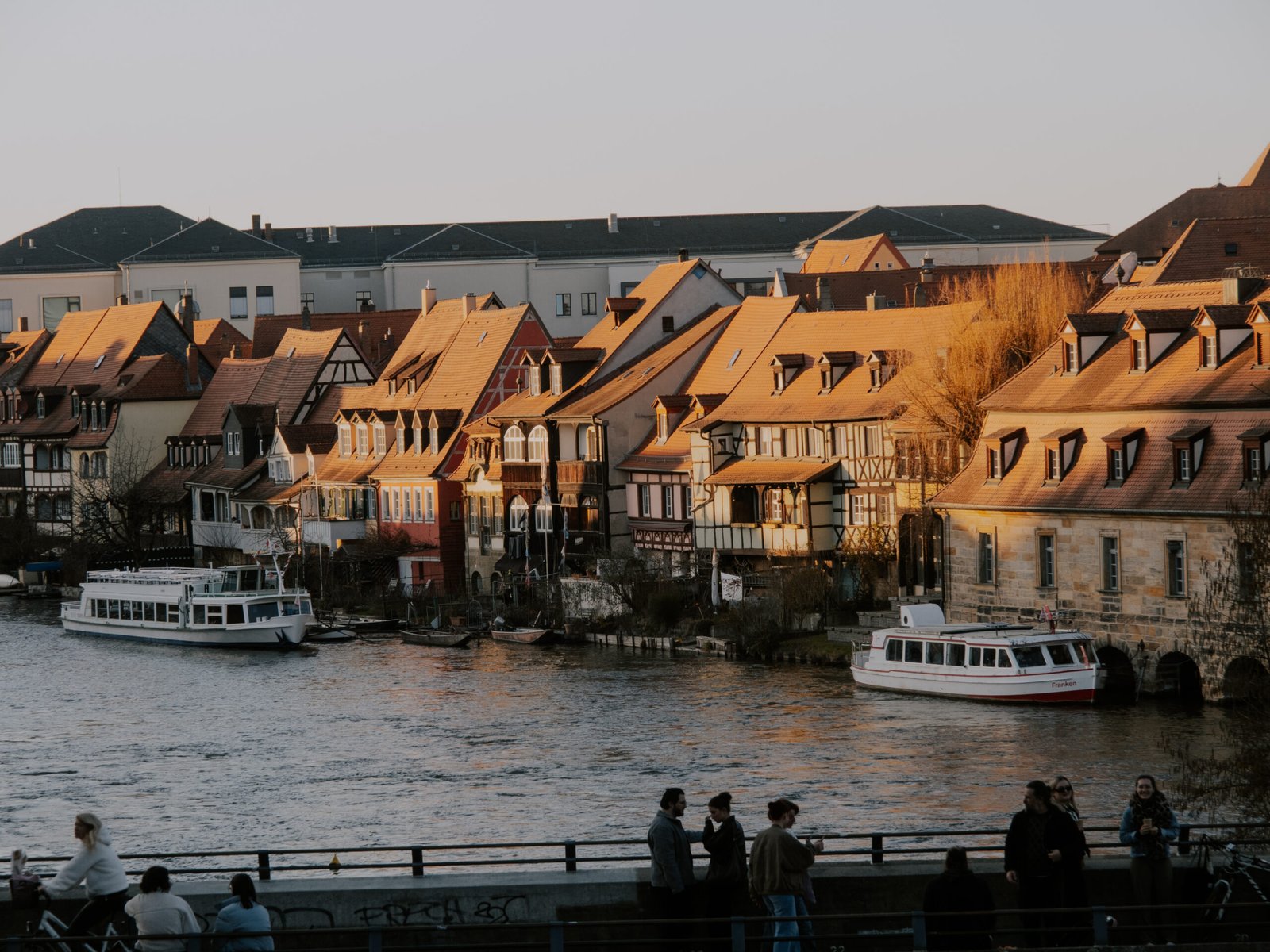
The Regnitz River flows through Bamberg so the locals have made perfect use of it : the city is dotted with numerous bridges and lined with charming half-timbered houses along its banks. Their shapes, colors, and balconies are not perfectly uniform — and it’s exactly this mix that gives the district, known as Klein Venedig, or “Little Venice,” its unique charm. These former fishermen’s houses, built right on the riverbanks, often have small gardens that slope down to the water, where boats were once moored. Every August, this setting comes alive during the Sandkerwa, a popular city festival featuring traditional events, including boat jousting on gondolas along the quays.
See the Famous Old Town Hall
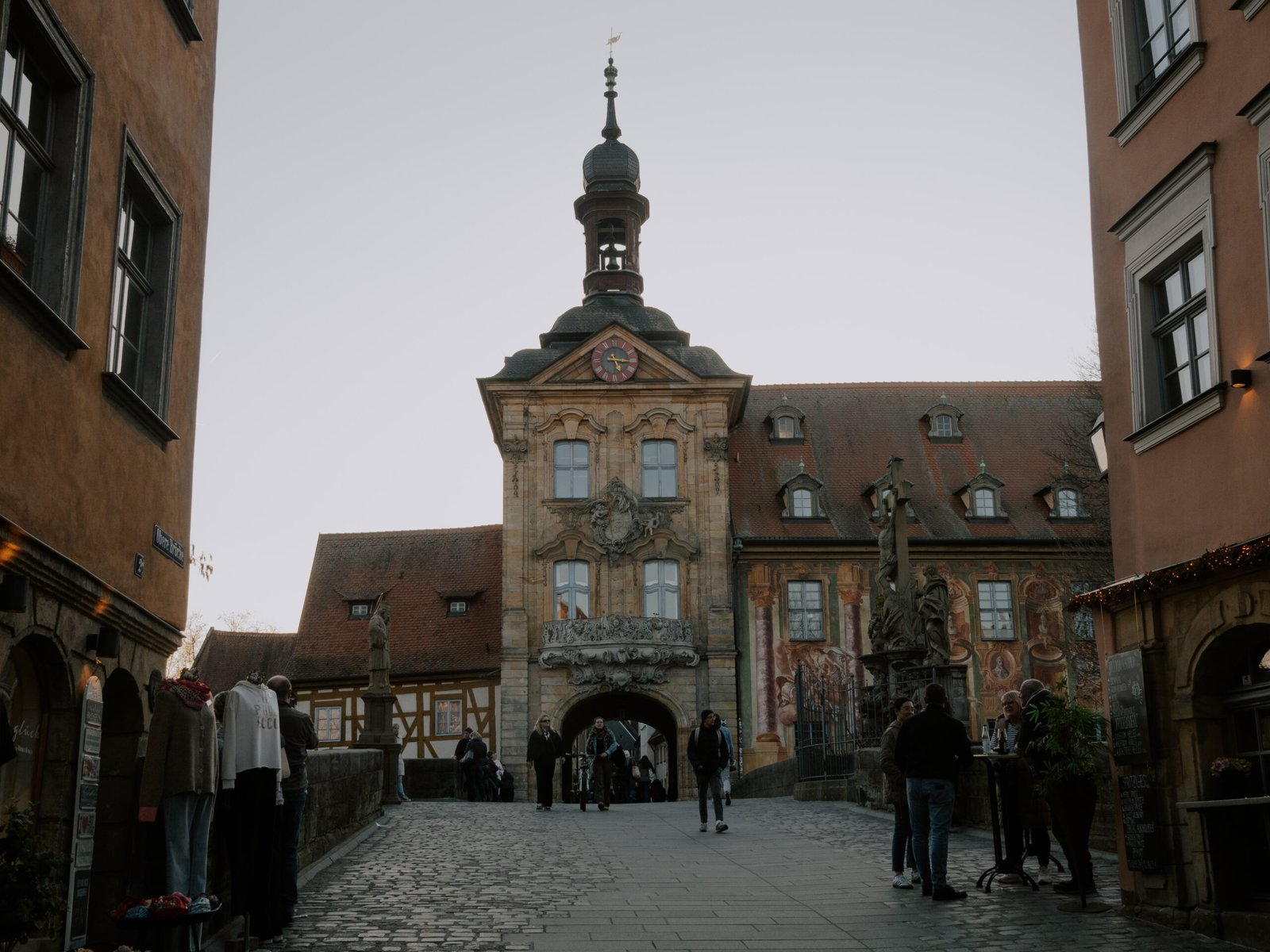
If you’ve seen even a single video of Bamberg, you’ve probably noticed its Altes Rathaus, a true architectural gem. This 14th-century building seems to rise magically, perched on a rock in the middle of the Regnitz, forming a tiny artificial island. Transformed in the 18th century, the complex has several parts: on the left, the town hall itself with its frescoed facades, and on the right, the Rottmeisterhaus, a half-timbered house balanced on the bridge’s foundation. Inside, the building houses the Ludwig Collection, famous for its antique porcelain. To see the whole ensemble at its best, head to the Geyerswörth Bridge, which offers the most beautiful view of this masterpiece.
Get some perspective to explore Bamberg’s churches and monasteries
Bamberg is often called the “Little Rome of Bavaria.” This nickname comes both from its importance in the history of the Holy Roman Empire and from the fact that the city is built on seven hills, just like Rome — each crowned with a church. One of the most famous is the Bamberg Cathedral, perched on one of these hills. But just a fifteen-minute walk away is St. Michael’s Abbey, an old Benedictine abbey founded in 1015 at the request of Henry II and rebuilt several times after fires. Inside, you can admire the famous ceiling frescoes called “Herbarium Divinum”, or “Garden of Heaven,” depicting nearly 600 different flowers and plants. From the terrace behind the church, you also get a breathtaking panoramic view of the city.
Explore Bamberg’s Majestic Cathedral
Perched atop the Domberg hill, this Romanesque masterpiece with its four imposing towers dominates the skyline of Bamberg’s old town. Its style reflects a transitional Romanesque-Gothic architecture, highlighted by its two apses. The story of Bamberg Cathedral begins in 1004, when Henry II laid its first stone. Over the centuries, this majestic cathedral has endured multiple fires, reconstructions, and restorations, each adding layers to its rich historical legacy. The structure we see today largely dates back to the 13th century. The best time to visit is in the early afternoon, when sunlight streams through the stained-glass windows, it create a breathtaking display of light inside the cathedral.
Step back into the Middle Ages at the Alte Hofhaltung (Old Residence)
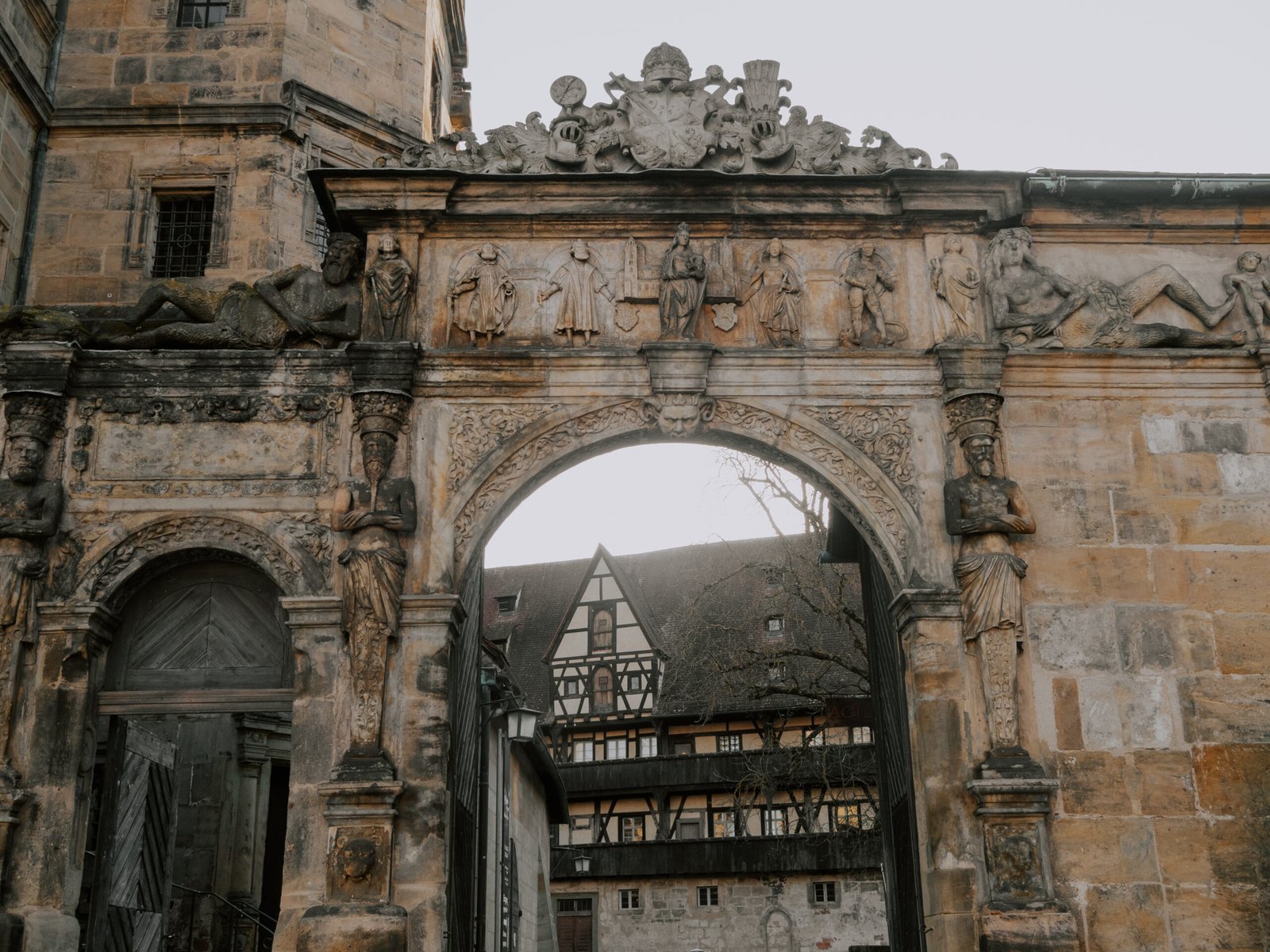
Just a stone’s throw from the Bamberg Cathedral, the Old Episcopal Palace stands on the foundations of the 10th–11th century Imperial Palace. Its Renaissance façade with its beautifully ornate portal reveals the Old Courtyard with Gothic half-timbered buildings and picturesque wooden galleries – it originally served as the bishops’ first residence. Today, the palace houses the Historical Museum, showcasing the city’s art and culture throughout history.
Explore the Grandeur of Bamberg’s Neue Residenz
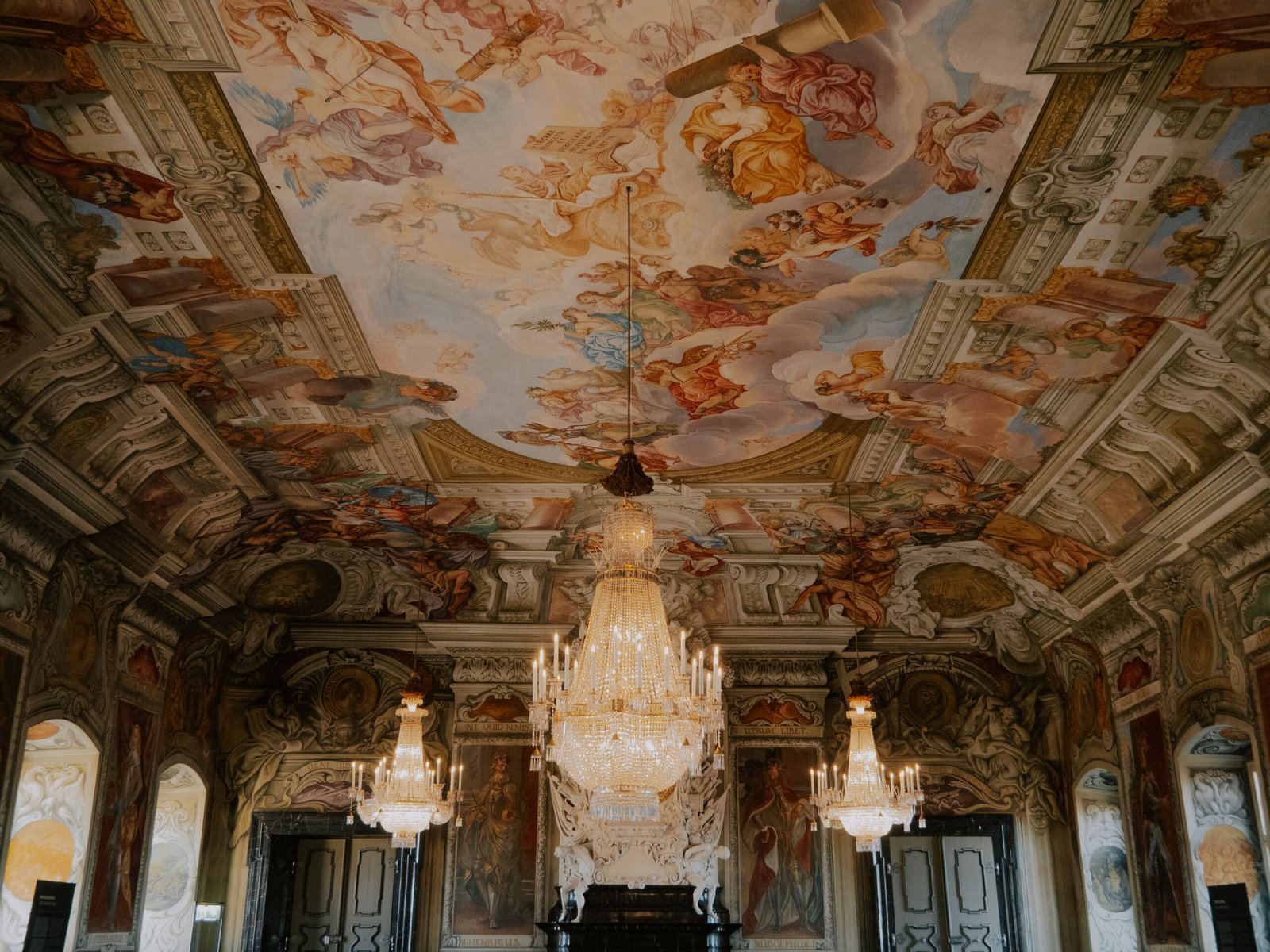
The largest palace in Bamberg, consists of four main wings: two Renaissance wings built in the early 17th century, and two Baroque wings framing the Domplatz, commissioned in the late 16th century.Inside,on the first floor, the palace houses a baroque painting collection. On the second floor, don’t miss the Imperial Apartments, which can be visited on a guided tour included with your ticket -€10 at full price – . Tours are usually in German, but if there’s only non-German-speaking groups, guides may offer explanations in English – happened to me thankfully. In any case, there are informative panels in each room and booklets to consult. And the best part comes last, the Kaisersaal (Hall of Emperors), adorned with allegorical frescoes and imperial portraits is the highlight of the Neue Residenz. Be sure to visit the Rose Garden outside — the views of the city are gorgeous, and in June, the roses are at their peak. You can find more information here.
WHAT TO SEE AROUND BAMBERG
Seehof Palace
Located northeast of Bamberg, Seehof Palace traces its origins back to a hunting lodge and country house from the late 15th century. Construction of the current four-wing complex, with its characteristic corner towers, began in the late 17th century, designed by an architect from northern Italy. The rococo garden is particularly magnificent, with its ornamental water features and fountains that can be admired both in the garden itself and at the Orangerie.
Practical informations :
- Palace only open from April to late October. Admission costs €6 at the full rate, and a combined ticket covering both Seehof and the Neue Residenz can be purchased for €10.
- Getting there from Bamberg city centre is easy — simply take bus 970, and the journey takes around twenty minutes.
I’ve put together a full guide to the best day trips from Munich, covering everything from fairy-tale castles to lakeside villages and charming medieval towns — well worth a read if you’re plotting out the rest of your trip and looking for a little inspiration.
![WHERE TO STAY AROUND PARIS [BEST AREAS]](https://langenier.com/wp-content/uploads/2026/02/Airelles-Chateau-de-Versailles-Le-Grand-Controle-where-to-stay-around-Paris-what-to-see-around-Paris-best-day-trips-from-Paris-langenier.com-travel-blog-4.png)