MUNICH IN A LONG WEEKEND, THE COMPLETE ITINERARY
Nicknamed “Millionendorf” — the village of a million people — by its own residents, Munich is Bavaria’s elegant capital, where tradition and innovation meet. Set along the Isar River and backed by the Alps, it blends historic icons like Marienplatz, the Frauenkirche and Nymphenburg Palace with modern highlights such as the Pinakothek der Moderne, BMW Welt and the vast Englischer Garten. It’s a city that’s easy to fall in love with because it glows in every season. There’s Oktoberfest in autumn, the famous beer festival that draws crowds of tourists as much as locals. There’s the Christmas market on Rathausplatz, paired with the Tollwood winter festival, while in spring the city blooms: strolling through Nymphenburg Palace to catch the scent of lilacs, or wandering Haidhausen for its wisteria, all while sampling the region’s famously prized white asparagus. The Bavarian capital often feels less like one big city and more like a cluster of charming, cobblestoned towns stitched together. Its many museums are unmatched and many can be visited for as little as €1 every Sunday.
Munich is a city that’s genuinely easy to live in — and if you’ve only got a long weekend to visit it that’s really the bare minimum to give it justice. So let’s dive into what you can actually do there.
MUNICH OVERVIEW
WHERE | Munich, Bavaria, Germany
GETTING THERE | Train, bus, international & domestic airport
GETTING AROUND | Walk, Bus, Tramway, Metro, Bike & Car rental, Train
TOP THINGS TO SEE | Marienplatz, Viktualienmarkt, Englischer Garten, Residenz Palace, Nymphenburg Palace, Museums
WHAT TO EAT | Weißwurst , Kartoffelsalat, Brezn, Leberkässemmel, Schweinshaxe, Bier Helles & Weißbier
BEST TIME TO VISIT | April to October & December for the christmas market
CURRENCY | Euros €
GETTING TO MUNICH
- By train — Germany’s high-speed ICE network makes Munich one of Europe’s best-connected cities. Frankfurt is only 3 hours away, Berlin around 4, and international routes run directly from Vienna, Prague, and Paris. Munich’s main station, the Hauptbahnhof, is just a ten-minute walk from the city centre.
- By plane — Munich Airport is a major international hub, with carriers flying in from all over the world. From there, you can reach the city centre by Lufthansa Express Bus (around 40–45 minutes), taxi, or the S-Bahn (lines S1 or S8, also about 40–45 minutes). Other airport options are the ones in Nuremberg & Memmingen, served by budget airlines.
- By bus — Flixbus connects Munich to a wide network of German and European cities at very affordable prices. The main bus station is just an S-Bahn station away from the train station.
GETTING AROUND MUNICH
Frankfurt is an easy city to navigate. The city is served by an extensive and efficient public transport network combining U-Bahn (metro), S-Bahn (suburban rail), trams, and buses. A single journey ticket costs around 4.20€, while a day pass comes in at roughly 10€ for the inner city zones. Most of Munich’s main attractions are clustered within a fairly compact area, meaning you can reach everything from the Hauptbahnhof within 20 minutes or less.
A BIT OF HISTORY ABOUT MUNICH
Munich’s story begins with Benedictine monks, from whom the city takes its name (Munchen, meaning “monks”). Recognised as a city in the 12th century, it later passed to the House of Wittelsbach, which ruled Bavaria until the 20th century, ushering in prosperity through salt trading. The 19th century reshaped Munich with grand monuments and Italian boulevards, a vision pushed to excess under King Ludwig II, whose extravagant projects—now among Bavaria’s most visited landmarks—nearly bankrupted the kingdom. A century later, Munich became the birthplace of the Nazi movement in the 1920s, and Allied bombing later reduced much of the historic centre to rubble by the end of the Second World War.
Out of that devastation came a remarkable recovery. Rather than rebuild from scratch, Munich chose to restore its historic buildings and streets, giving today’s Altstadt (Old Town) an appearance that feels centuries old despite much of it being reconstructed. The postwar decades brought Germany’s Wirtschaftswunder (economic miracle), and Munich grew into a hub for industry, science and the arts, home to companies like BMW and Siemens. The 1972 Summer Olympics marked the city’s return to the world stage. Through it all, traditions endured — Oktoberfest, first celebrated in 1810 to mark a royal wedding, has grown into the world’s largest folk festival, while the city’s beer gardens and baroque churches remain living threads connecting modern Munich to its monastic origins.
Day One | Munich Residenz, English Garten & Beer culture
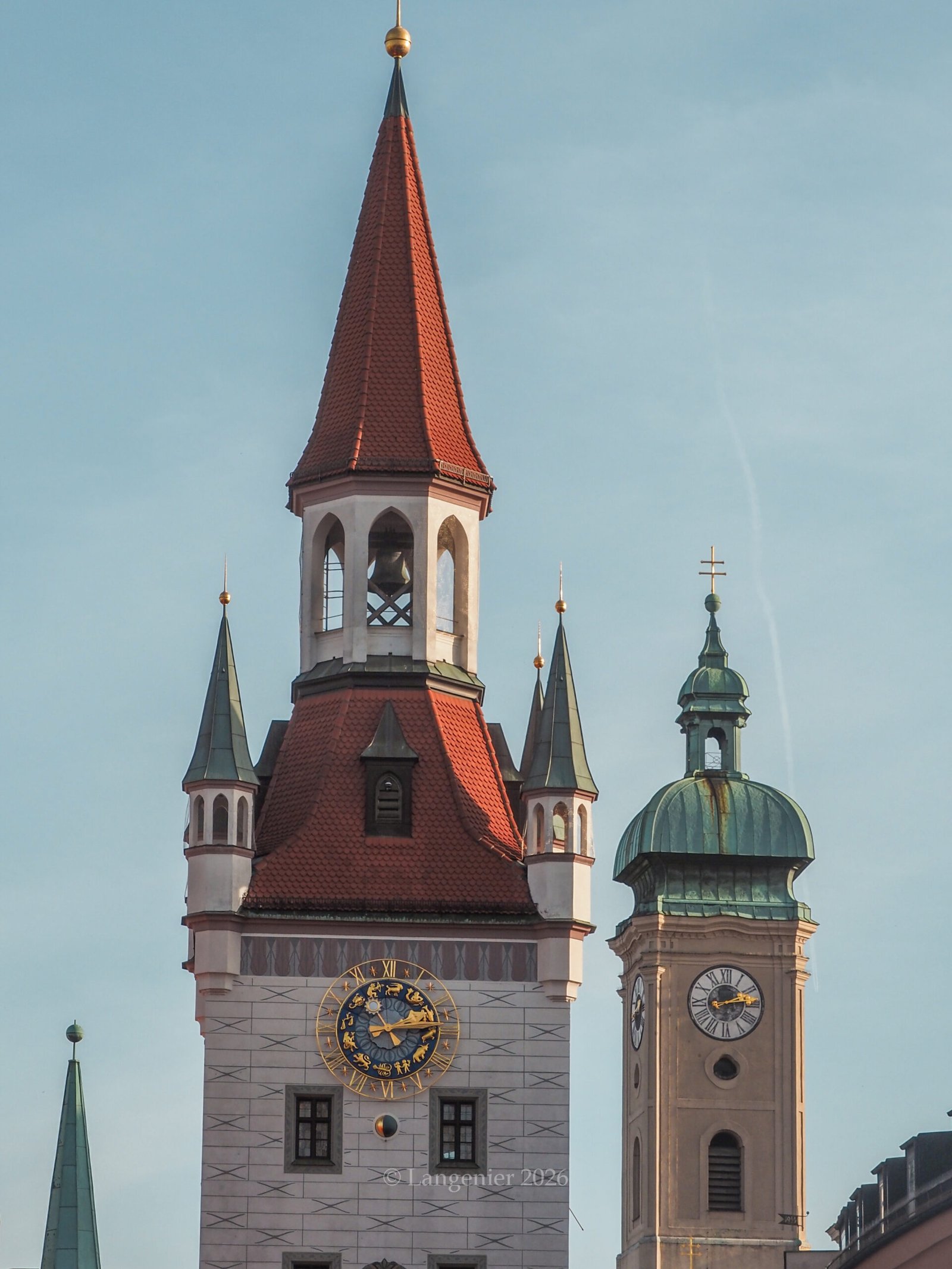
For your first day in Munich, take time to wander through the Altstadt, starting at Marienplatz, the heart of the old town where the impressive Rathaus dominates the square. Continue on to the Asamkirche, an 18th-century baroque gem, and don’t miss St. Peter’s Church, whose tower rises prominently above Munich’s skyline as well as Theatinerstraße & Residenzstraße on this morning walk.
When hunger strikes, head to the Viktualienmarkt, where you’ll find everything from fresh fruit and cheeses to regional specialties. As the city’s oldest market, it’s the perfect spot to enjoy lunch at one of the many inviting eateries scattered throughout.
In the early afternoon, visit the famous Munich Residenz. Allow about two hours to explore its rococo-styles galleries & rooms, family theater, and chapels. (Open 9 am–6 pm from April to mid-October, 10 am–5 pm from mid-October to March | €10 for the Residenzmuseum, free for visitors under 18).
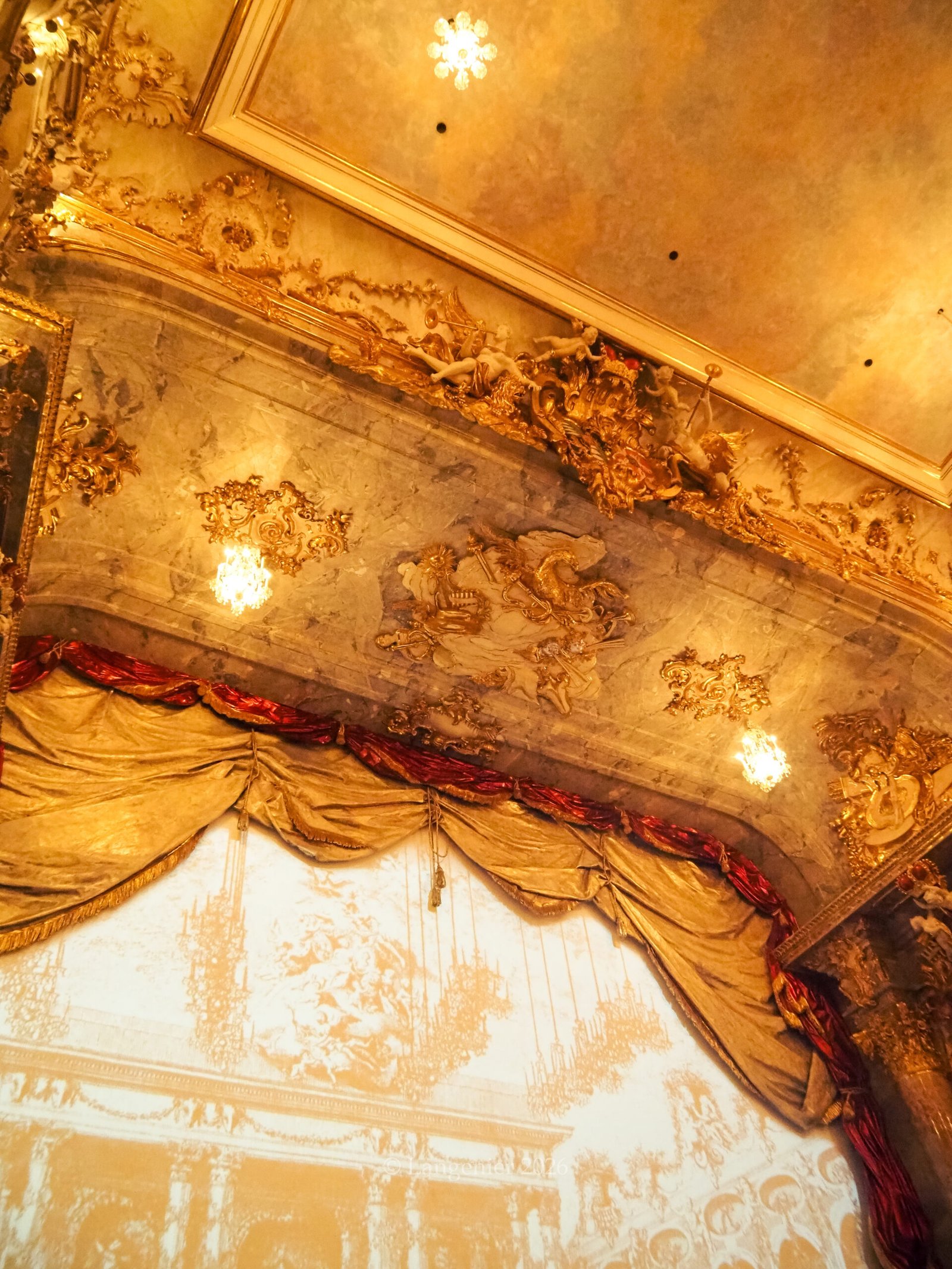
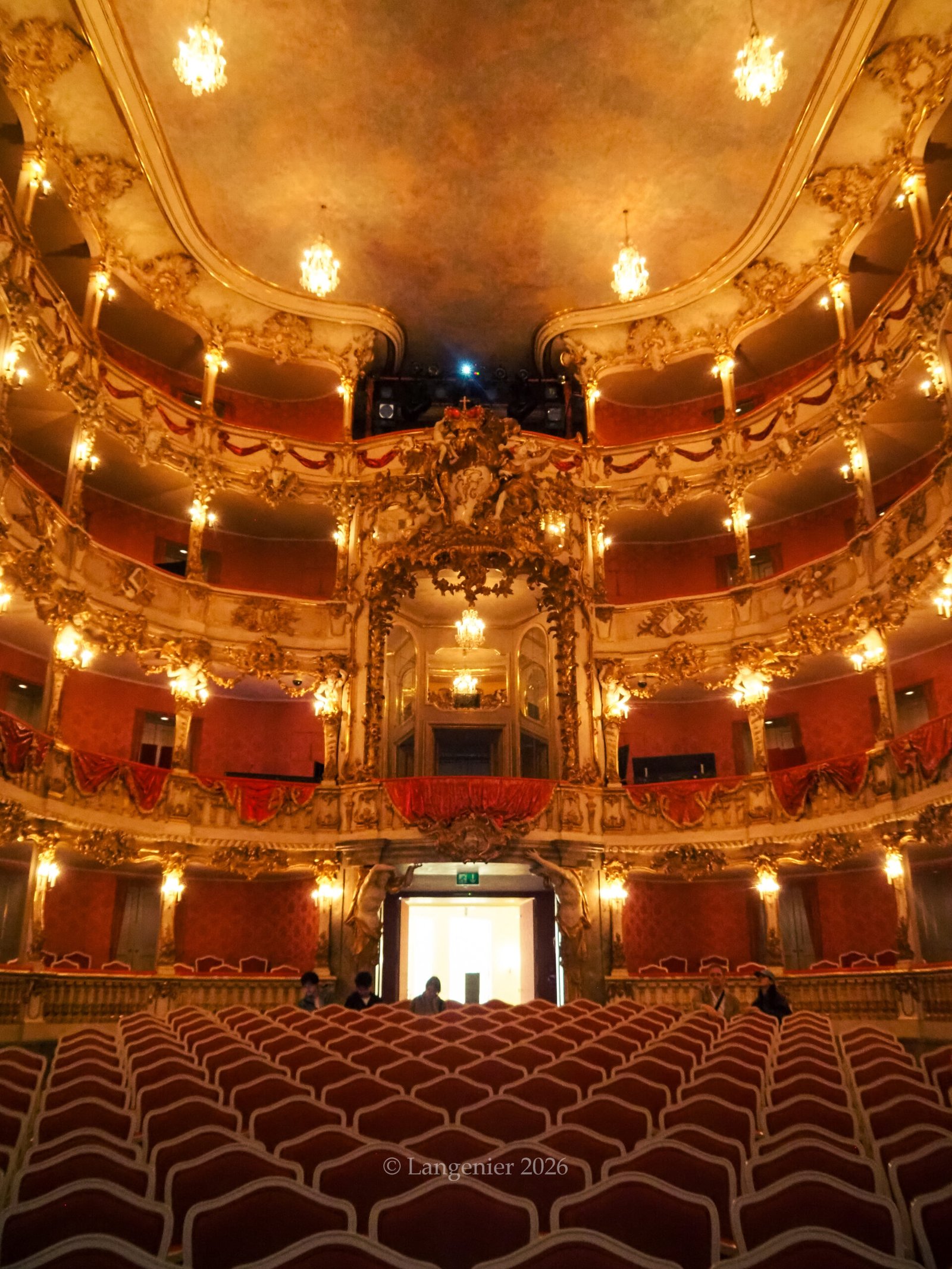
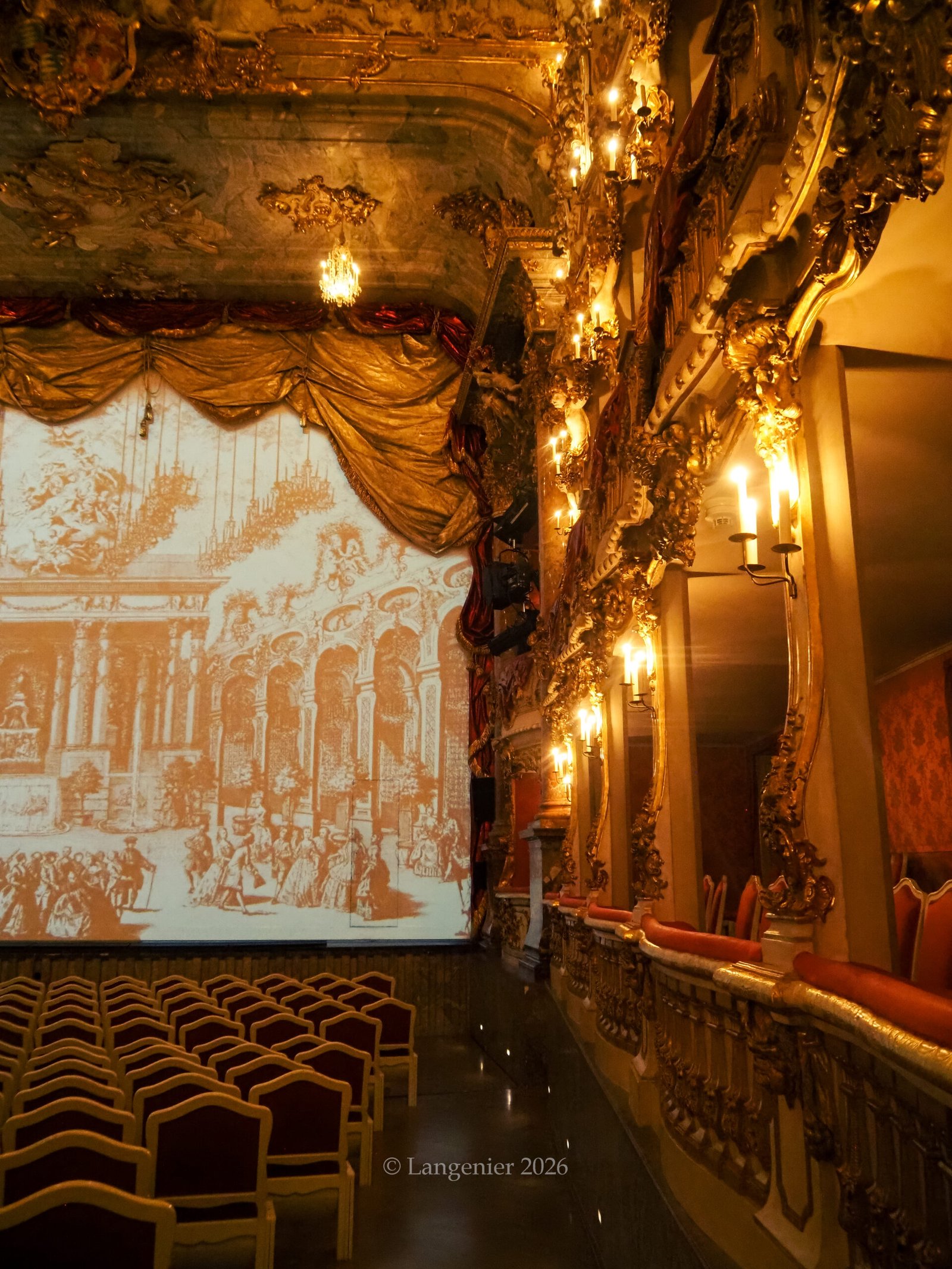
End the day at the English Garten, one of Europe’s largest parks – even bigger than New York’s Central Park -. In summer, you can cool off in the Isar’s current, while year-round you can stroll its paths, watch surfers on the famous artificial wave Eisbach, or enjoy a beer at the Chinesischer Turm, Munich’s oldest beer garden.
For dinner, choose from some of Munich’s standout options: Weisses Bräuhaus, a classic and very popular beer hall; Prinz Myshkin, offering a creative vegetarian experience with flavorful & imaginative dishes or Weinhaus Neuner, serving Bavarian and Austrian classics paired with excellent wines for over a century. For an elevated experience, choose Tantris, 2 stars Michelin, with an excellent wine selection & delicate menu from 100€ (booking in advance required).
Day Two | Munich Coffee culture, Art Museums & Olympia Park
In the morning, enjoy breakfast at one of Munich’s many cafés. The city has a rich coffee culture, influenced by its close cultural and political ties with Vienna. For a taste of Munich’s coffee scene in a minimalist, modern setting, head to Man Versus Machine Coffee Roasters (Müllerstraße 23) – their freshly roasted selection won’t disappoint.
If you want to dive into Munich’s finest museums, head to the Museumviertel (Museum quarter) and choose between the Alte Pinakothek, Pinakothek der Moderne or Brandhorst Museum (Combined ticket for these three museums is at €12), open from 10h to 18h & closed on Mondays.
- The Alte Pinakothek is world-renowned for its extensive collection of major European painters, from Rembrandt to Botticelli, and several rooms dedicated to Bavaria’s most famous artist, Albrecht Dürer. (9€ / 6€ reduced, €1 every Sunday).
- Just a few steps away, the Pinakothek der Moderne is Germany’s largest modern art museum. The museum is worth a visit alone for its spectacular building. Inside, you’ll find modern classics like Picasso and Klee, as well as sections dedicated to 19th-century applied design and architecture. (€10 / 7€ reduced, €1 every Sunday).
- Finally, the Museum Brandhorst, is a must for fans of Andy Warhol, 1960s Pop Art, and the lesser-known yet impressive Italian artist Cy Twombly, whose works find a perfect home here. (€5 / 4€ reduced, €1 every Sunday).
At lunchtime, don’t miss a lively concert & lunch at Munich’s oldest beer hall: the iconic Hofbräuhaus. Or grab a giant pretzel for €5 there and enjoy it on the go!
On the afternoon, head to Olympiapark (15 minutes by metro), the site of the 1972 Olympics, for a walk through its vast green spaces, or a climb on the stadium’s roof. Right next door, the BMW Museum is a must for car enthusiasts. Explore the history of this iconic brand, admire classic and modern models, and discover innovative design and technology (16€ / 8€ for students and over 65)
For a fancy evening, enjoy a drink in the sophisticated & intimate atmosphere at Bar Montez. Located within the prestigious Rosewood Munich hotel, the bar is renowned for its creative signature cocktails, best savored while enjoying its nightly live jazz performances.
Day Three | Nymphenburg Palace, Bayerisch Museum & Traditional Clothings.
For your last day, after a good coffee, head to Schloss Nymphenburg (9h-18h everyday, 10€ entry) in the west of Munich. Allow at least half a day to fully appreciate the former summer residence of Bavaria’s prince-electors and kings. Inside, the palace unfolds into a series of sumptuous rooms with elaborate stucco work, vivid frescoes, and tapestries. Behind the Schloss, the vast palace gardens stretch out in grand English style, punctuated by canals, cascades, and a tranquil lake, ideal for a leisurely stroll. Don’t miss the Pagodenburg, an 18th-century Chinese tea house lavishly decorated with ceramic tiles depicting landscapes, figures, and floral designs.
In the afternoon, head to a more historically focused museum that is well worth the visit. The Bayerisches Nationalmuseum (open 10am–5pm, closed Mondays; entry €7) embodies the classic 19th-century museum: a grand neoclassical palace filled with treasures and works of art, offering a rich immersion into the history and cultural heritage of Bavaria.
After your visit, take a stroll through Glockenbachviertel, Munich’s trendy and vibrant neighborhood & get to explore a traditional Bavarian clothing boutique, and perhaps take a piece home as a unique souvenir. Top shops include Loden-Frey for high-quality Dirndls and Lederhosen by the Bavarian brand Gottseidank, Krüger for a wide selection across several locations, and Hirmer, the world’s largest men’s fashion store, offering numerous Lederhosen styles.
For dinner, why not choose something away from Bavarian classics? Munich has long attracted communities from across Europe and beyond, each celebrating its culinary heritage through authentic restaurants. My personal favourites include Taverna Melina for generous Greek dishes made for sharing, and Ornella for refined, flavour-driven Italian cuisine.
WHERE TO STAY IN MUNICH
Munich offers a wide range of accommodation options to suit all types of travelers. Most hotels in the city center cluster around the train station area, about ten minutes from the historic center. Prices vary significantly depending on the season, peaking during Oktoberfest. From youth hostels popular with solo travellers to welcoming family hotels and boutique hotels offering some of the city’s finest views, the choice is extensive. For more information, I’ve put together a curated guide to the best hotels in Munich [2026 updated].
WHERE TO EAT IN MUNICH
Munich is a city that knows how to eat. From historic beer halls and lively Biergärten to cozy cafés and konditorei with rich Bavarian cakes, the city offers a food lover’s paradise. Whether you’re craving hearty local dishes or freshly baked Bretzels, Munich has something to delight every palate. With so many tempting options, it can be tricky to decide where to start—or what to try first. That’s why I’ve put together a list of my favorite foodie experiences in Munich, so you can discover the city while tasting its best bites.
![WHERE TO STAY AROUND PARIS [BEST AREAS]](https://langenier.com/wp-content/uploads/2026/02/Airelles-Chateau-de-Versailles-Le-Grand-Controle-where-to-stay-around-Paris-what-to-see-around-Paris-best-day-trips-from-Paris-langenier.com-travel-blog-4.png)
One Comment